
Blog in Japanese
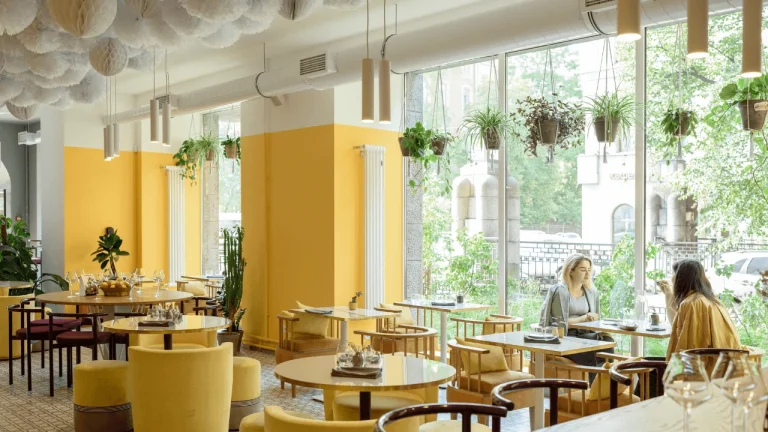
友達とカフェで – At the Cafe with My Friend
Relax at a quiet cafe with friends, chatting over coffee, tea, and cake. Enjoy fun moments, delicious treats, and the calm ambiance of a stylish cafe.
Author
Luna Atsumi is a Japanese teacher at NihongoNana. She writes easy grammar and reading posts and teaches private online lessons, helping learners turn 'I don't understand' into 'I understand' step by step.
Relax at a quiet cafe with friends, chatting over coffee, tea, and cake. Enjoy fun moments, delicious treats, and the calm ambiance of a stylish cafe.

Discover the joy of weekend shopping! Explore supermarkets and malls, buy essentials, relax at cafes, and enjoy fun activities with family and friends.

Moving can be challenging, but it’s also exciting. Learn how to prepare, handle procedures, and settle in smoothly to start a new chapter in life.

Family trip memories in Okinawa: snorkeling, delicious local dishes, and precious moments with family. Relive the joys of spending quality time together.

Yesterday was my mother’s birthday. I bought her a chocolate cake and a pink scarf as a present. In the evening, we celebrated as a family. We enjoyed the cake, and my mother was very happy. It was a wonderful day, and I want to make next year even more special.

“より” is used to indicate something is “more than” another, while “のほうが” highlights preferences or emphasizes a quality. “より” sets the benchmark, and “のほうが” shows which is better. Practice these to make effective comparisons in Japanese and sound more natural in conversations.

The blog explains the differences between もう (already/soon) and まだ (still/not yet) in Japanese conversations. もう indicates completed or imminent actions, while まだ denotes ongoing or incomplete states. Mastering their nuances helps convey precise meaning and makes Japanese conversations sound more natural and fluent.

The Japanese school cultural festival is an annual event where students collaborate to prepare activities like food stalls, haunted houses, and performances. Families and friends join to enjoy the lively atmosphere. It fosters teamwork, strengthens friendships, and becomes a cherished memory for students, showcasing their creativity and effort.

In Japan, cleaning is highly valued at school, home, and work. It fosters responsibility, teamwork, and family bonds. The year-end cleaning tradition, “Oosouji,” and workplace cleaning improve environments and relationships. Cleaning also promotes mental and physical health, reducing stress and enhancing overall well-being.
Join the NanaFam for practice sheets, new lessons and study tips from Nana.
You're on the list. Look out for our next email in your inbox.