

Japanese grammar
Why 適当 Is One of the Confusing Japanese Words
Why does 適当 mean both “perfect” and “careless” in Japanese? Learn the real meaning, context, and how to use this confusing word naturally.
Category
Clear explanations of Japanese grammar, word differences and natural expressions, with example sentences for beginner and intermediate learners.
Why does 適当 mean both “perfect” and “careless” in Japanese? Learn the real meaning, context, and how to use this confusing word naturally.
Learn the many meanings of 大丈夫 in Japanese, from “I’m fine” to “no, thank you,” and how context changes its meaning in daily conversation.

Learn how to use Noun1 の Noun2 in Japanese to express possession and description, understand word order rules, and see clear beginner-friendly examples.
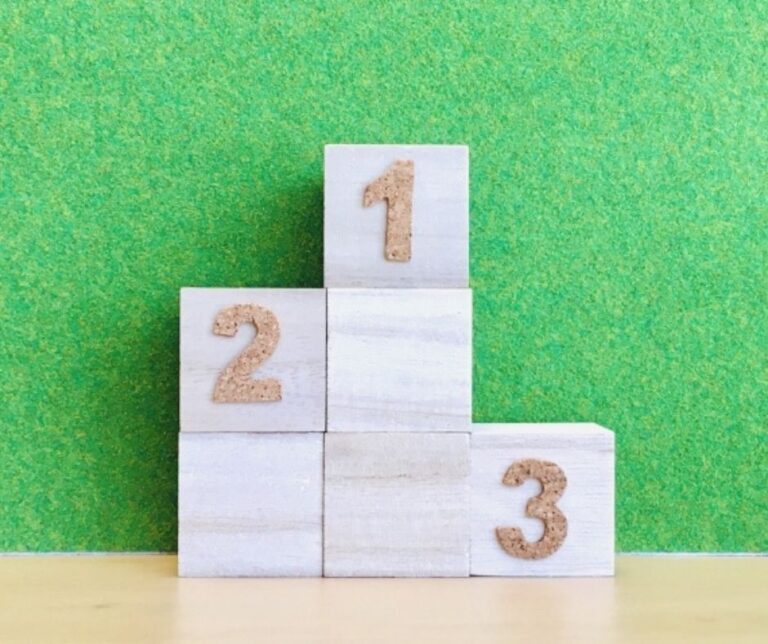
Learn how the Japanese suffix ~目 (め) shows order and sequence, with clear explanations, examples, and tips to use first, second, and more naturally.

Learn how Japanese people say “good luck,” from 頑張って to 応援しています, with cultural tips and examples to help you sound natural in real situations.
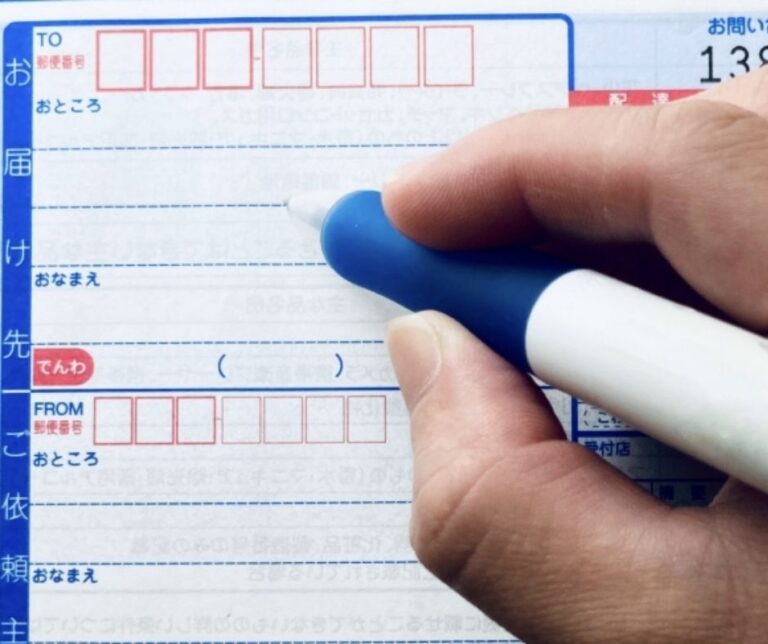
Learn the Japanese address system: what each part means, how to read and write addresses, and key terms like 宛名, 宛先, and 送り主.
Japanese grammar ~ように explained simply. Learn how to use it for purpose, change, habits, instructions, wishes, and comparisons.
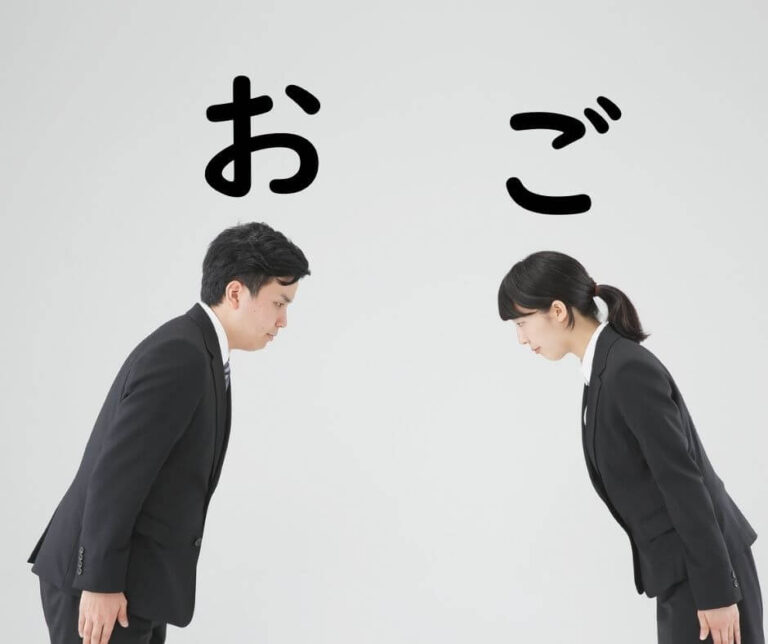
Learn the difference between お〜 and ご〜 honorific prefixes in Japanese, with simple rules, common examples, exceptions, and polite phrases you can use naturally.

Learn how to say “to help” in Japanese with clear examples of 手伝う, 助ける, 手を貸す, and more, and understand the nuance behind each word.
Join the NanaFam for practice sheets, new lessons and study tips from Nana.
You're on the list. Look out for our next email in your inbox.