

Japanese grammar
Top 10 Useful Japanese Filler Words
Discover the top 10 useful Japanese filler words to make your conversations sound natural and fluent. Learn when to use them to keep the conversation flowing!
Topic
Japanese lessons and reading practice for beginners: simple grammar, everyday words and easy Japanese posts with furigana.
Discover the top 10 useful Japanese filler words to make your conversations sound natural and fluent. Learn when to use them to keep the conversation flowing!

Read about part-time jobs in Japan, including convenience stores, customer service, and hourly wages. Perfect for Japanese learners seeking practical, everyday terms.

“より” is used to indicate something is “more than” another, while “のほうが” highlights preferences or emphasizes a quality. “より” sets the benchmark, and “のほうが” shows which is better. Practice these to make effective comparisons in Japanese and sound more natural in conversations.

The blog explains the differences between もう (already/soon) and まだ (still/not yet) in Japanese conversations. もう indicates completed or imminent actions, while まだ denotes ongoing or incomplete states. Mastering their nuances helps convey precise meaning and makes Japanese conversations sound more natural and fluent.

The Japanese school cultural festival is an annual event where students collaborate to prepare activities like food stalls, haunted houses, and performances. Families and friends join to enjoy the lively atmosphere. It fosters teamwork, strengthens friendships, and becomes a cherished memory for students, showcasing their creativity and effort.

Japanese honorifics indicate social relationships and respect levels. Common ones include さん (-san) for politeness, くん (-kun) for boys or junior males, and ちゃん (-chan) for close friends or young children. Correct use reflects cultural values of respect, hierarchy, and connection, and is essential for effective communication in Japan.

In Japan, cleaning is highly valued at school, home, and work. It fosters responsibility, teamwork, and family bonds. The year-end cleaning tradition, “Oosouji,” and workplace cleaning improve environments and relationships. Cleaning also promotes mental and physical health, reducing stress and enhancing overall well-being.

This blog explains how to express desires in Japanese using 〜たい (for wanting to do something) and 〜ほしい (for wanting something). It covers forming these expressions, their usage in sentences, how to express others’ desires, common pitfalls, and includes exercises for practice.
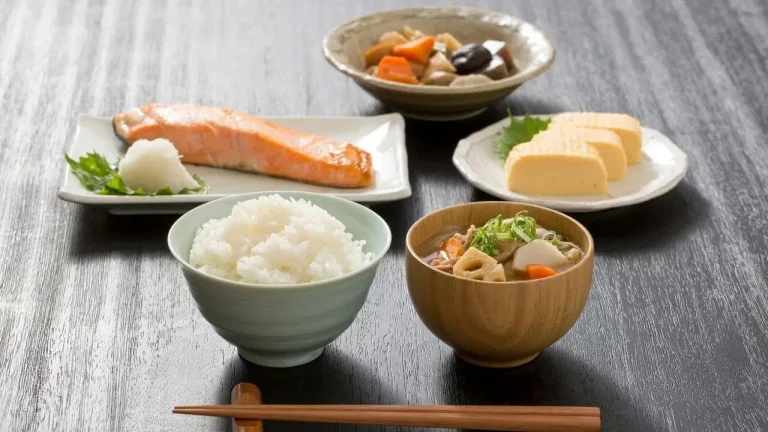
A traditional Japanese breakfast is healthy and well-balanced, consisting of rice, miso soup, grilled fish, pickles, tamagoyaki, and natto. It provides essential nutrients and energy for the day. Though some now prefer bread or cereal, traditional Japanese breakfasts remain nutritious and highly recommended for good health.
Join the NanaFam for practice sheets, new lessons and study tips from Nana.
You're on the list. Look out for our next email in your inbox.