

Japanese grammar
How to Use Adjectives in the Te-form as “And”
Learn how to connect Japanese adjectives using the Te-form to mean “and.” Master い-adjectives and な-adjectives with easy rules and examples.
Topic
Japanese grammar points and confusing word pairs explained simply, with natural example sentences you can use in conversation.
Learn how to connect Japanese adjectives using the Te-form to mean “and.” Master い-adjectives and な-adjectives with easy rules and examples.

Learn the meaning of 行う, one of the most misunderstood Japanese verbs. Discover how to read おこなう and use it correctly with clear examples.
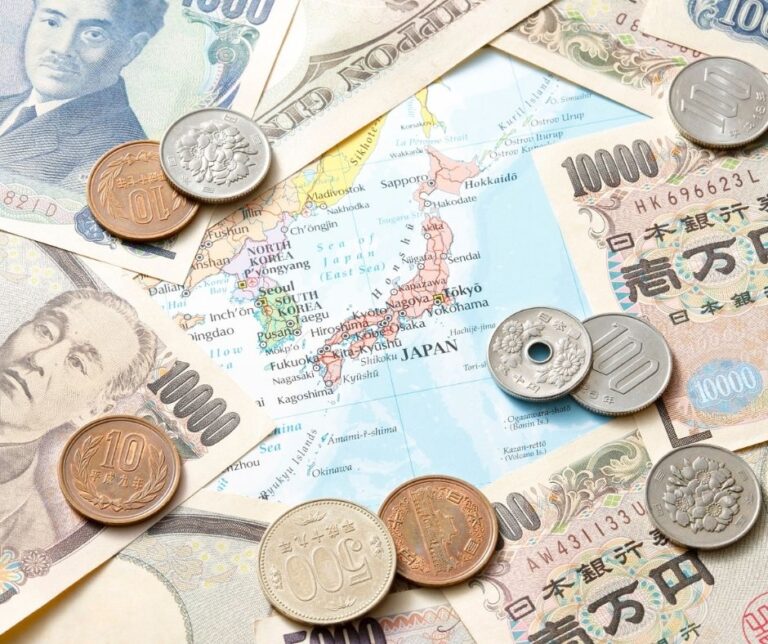
New to Japan? Learn the yen fast with this easy guide to Japanese coins, bills, lucky ¥5 coins, rare ¥2,000 notes, and useful money tips.

Learn the difference between 持っていく, 持ってくる, 連れていく, and 連れてくる. Easy guide to take vs bring for things and people in Japanese.

Struggling with “comfortable” in Japanese? Master 快適, 楽, 心地いい, and 居心地がいい with simple examples, clear differences, and real-life usage tips.
Learn the difference between 有名 (famous) and 人気 (popular) in Japanese, with simple explanations and examples to help you use them naturally in conversation.

Learn how to say “husband” and “wife” in Japanese, including 夫, 妻, 旦那, 主人, 嫁, and 奥さん, with simple explanations and example sentences.
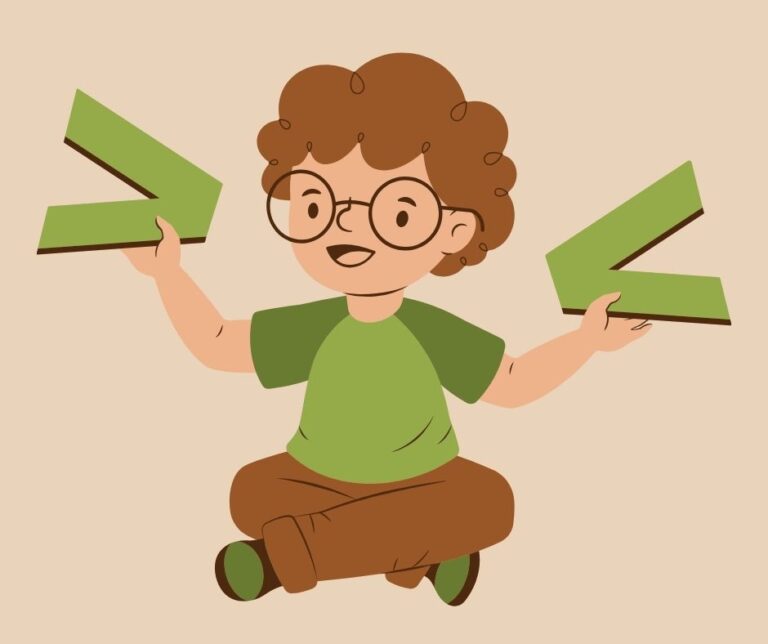
Learn how to use 以上, 以下, 未満, 超える, and 以内 in Japanese. Understand “at least,” “up to,” and “under” with clear examples and avoid common mistakes easily!

What does 笑う really mean? Not just “laugh” — it can also mean “smile.” Learn the nuance through simple explanations and real-life examples.
Join the NanaFam for practice sheets, new lessons and study tips from Nana.
You're on the list. Look out for our next email in your inbox.