
Skip to content

NihongoNana Blog

Blog

Explore reading practices, grammar breakdowns, and useful phrases to support your Japanese learning journey. New posts added regularly!

Blog in Japanese

夜空の魔法 – The Magic of the Night Sky

Stargazing brings calm and wonder. Watching comets, satellites, and fireballs makes me feel lucky and connected to the universe. It requires no special tools—just a clear sky and a dark spot. Stargazing can also be a fun way to learn Japanese words, making the experience even more enjoyable.

9 min read

Blog in Japanese

季節の変わり目 – The Change of Seasons in Japan

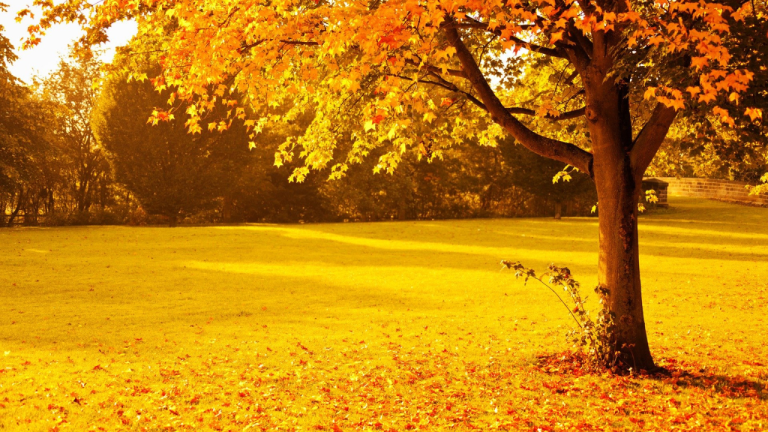
In Japan, people enjoy the change of seasons with clothing changes, autumn foods, and nature. Autumn is a time for delicious foods and viewing beautiful leaves, showing the Japanese love for nature. Autumn, also known as the “season of appetite,” brings a variety of delicious seasonal foods such as chestnuts, sweet potatoes, persimmons, and Pacific saury. Additionally, ”momijigari”, the tradition of viewing autumn leaves, is a popular way to appreciate nature’s beauty during this time. These customs reflect the Japanese appreciation for nature and the rhythm of the seasons.

7 min read

Blog in Japanese

スポーツの日 – Health and Sports Day

“Supootsu no Hi” (Sports Day) is a Japanese national holiday held on the second Monday of October, originally established to commemorate the 1964 Tokyo Olympics. Schools typically hold sports festivals, but the day also serves to promote health and fitness. Health is the main focus of the celebration.

2 min read

Japanese grammar

Everything You Need to Know about Honorifics in Japanese

Japanese honorifics convey respect and social hierarchy. -san is the neutral, versatile choice. -kun is used for younger males or friends, while -chan conveys warmth, often for children or close friends. -sama shows high respect, and Sensei addresses teachers or experts. Use them wisely to fit the context.

3 min read

Blog in Japanese

わたしのペット – My pets

I have four cats, each with different ages, colors, and personalities, and a 27-year-old tortoise. The cats enjoy relaxing, while the tortoise loves cabbage and stays indoors during winter. My pets, though diverse, are my treasured companions, bringing me happiness and comfort.

2 min read

Japanese grammar

When to use うち or 家(いえ) “House/Home”

In Japanese, 家 (ie) refers to the physical structure of a house, while うち (uchi) conveys a more personal sense of “home,” emphasizing emotional connection, family, and belonging. うち is often used in daily conversation to express closeness, and even refers to oneself in some dialects, like Kansai.

3 min read

Blog in Japanese

ランチ – Lunch

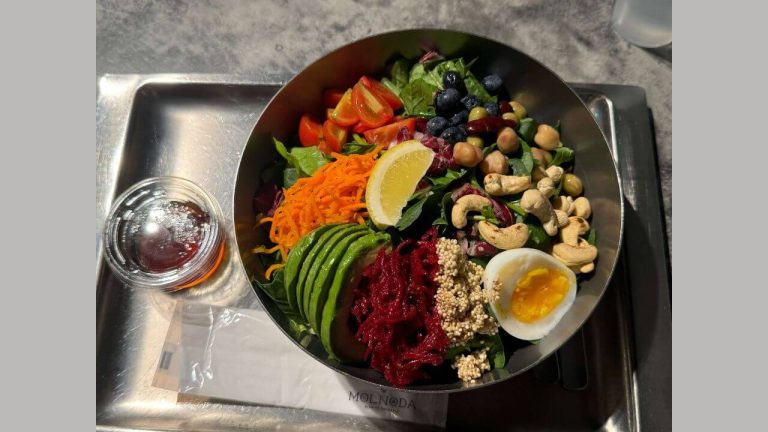
I went to a customized bowl shop for lunch with Nana-san and enjoyed a delicious vegetarian bowl, filled with a variety of vegetables. Although I usually make my own salads, this one was well-balanced and colorful. It was a bit pricey, but I’d love to return and try another.

3 min read

Blog in Japanese

「新幹線」- Shinkansen (bullet train) to travel in Japan

The Shinkansen, Japan’s high-speed railway, offers rapid and convenient travel at speeds exceeding 300 km/h. Tickets can be bought at stations or reserved online using the Smart EX app and IC cards like Suica. Boarding involves ticket or IC card scanning, providing access to major cities with comfort and amenities like Wi-Fi and power outlets.

5 min read