

Japanese grammar
Comparison in Japanese: How to Use より and ほうが
Learn how to make natural comparisons in Japanese with the simple structure A のほうが B より ~です, covering adjectives and verbs. Perfect for learners!
Topic
Japanese culture explained for learners: traditions, festivals, customs and the meaning behind them, with the Japanese words you need.
Learn how to make natural comparisons in Japanese with the simple structure A のほうが B より ~です, covering adjectives and verbs. Perfect for learners!

Master Japanese conjunctions それで, なぜなら, しかし! Learn their meanings, uses, and examples to make your sentences natural and coherent. Start practicing today!

Learn how to use これ, それ, あれ, どれ and their modifiers この, その, あの, どの in Japanese with clear explanations, charts, and example sentences!

Learn the different levels of politeness in Japanese—敬語, 普通, and タメ語—and when to use each to navigate social situations appropriately.
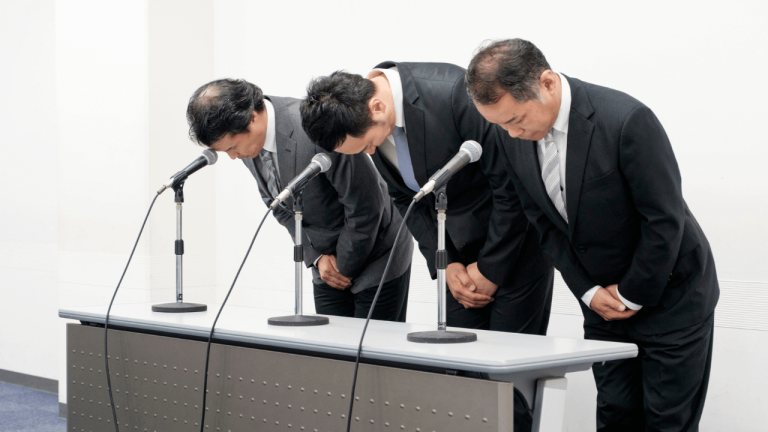
Learn common Japanese phrases for apologizing, from casual “ごめんなさい (Gomen nasai)” to formal “申し訳ございません (Mōshiwake gozaimasen)” with examples and contexts.

Discover Japanese year-end traditions like major cleaning, preparing decorations, eating soba, and enjoying the countdown with family.
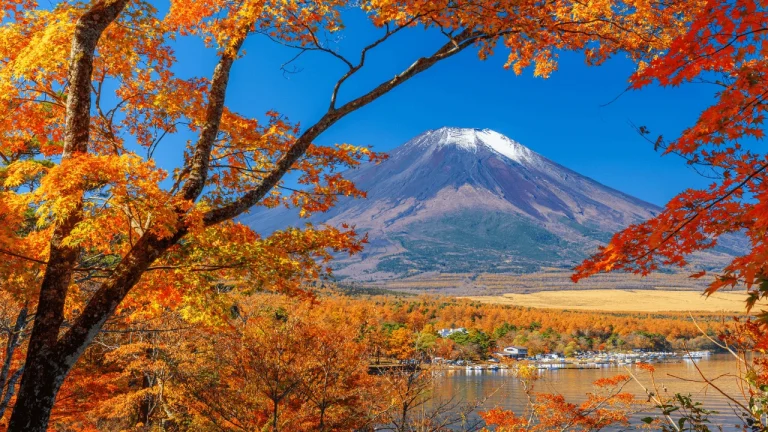
Discover the breathtaking beauty of Japan’s autumn leaves, from vibrant landscapes to seasonal traditions and the best spots for viewing.

Read about part-time jobs in Japan, including convenience stores, customer service, and hourly wages. Perfect for Japanese learners seeking practical, everyday terms.

The Japanese school cultural festival is an annual event where students collaborate to prepare activities like food stalls, haunted houses, and performances. Families and friends join to enjoy the lively atmosphere. It fosters teamwork, strengthens friendships, and becomes a cherished memory for students, showcasing their creativity and effort.
Join the NanaFam for practice sheets, new lessons and study tips from Nana.
You're on the list. Look out for our next email in your inbox.