
Japanese grammar
When to Use Polite Speech and Casual Speech
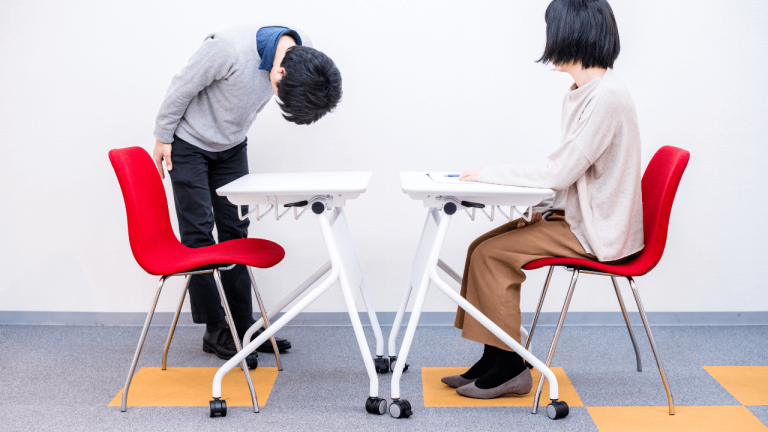
Learn the different levels of politeness in Japanese—敬語, 普通, and タメ語—and when to use each to navigate social situations appropriately.
Topic
Japanese culture explained for learners: traditions, festivals, customs and the meaning behind them, with the Japanese words you need.
Learn the different levels of politeness in Japanese—敬語, 普通, and タメ語—and when to use each to navigate social situations appropriately.
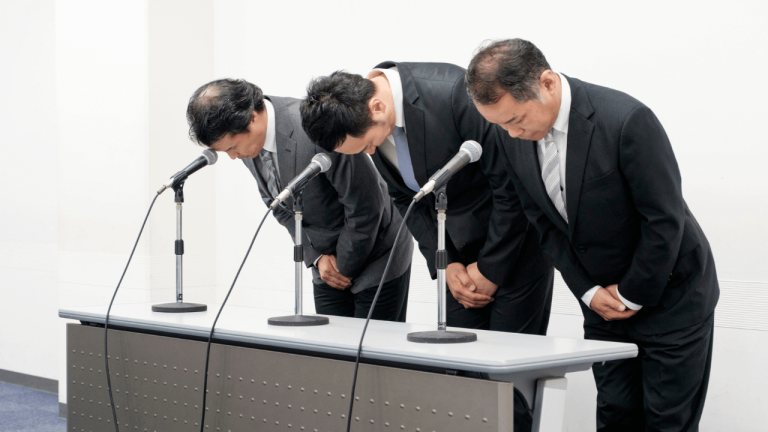
Learn common Japanese phrases for apologizing, from casual “ごめんなさい (Gomen nasai)” to formal “申し訳ございません (Mōshiwake gozaimasen)” with examples and contexts.

Discover Japanese year-end traditions like major cleaning, preparing decorations, eating soba, and enjoying the countdown with family.
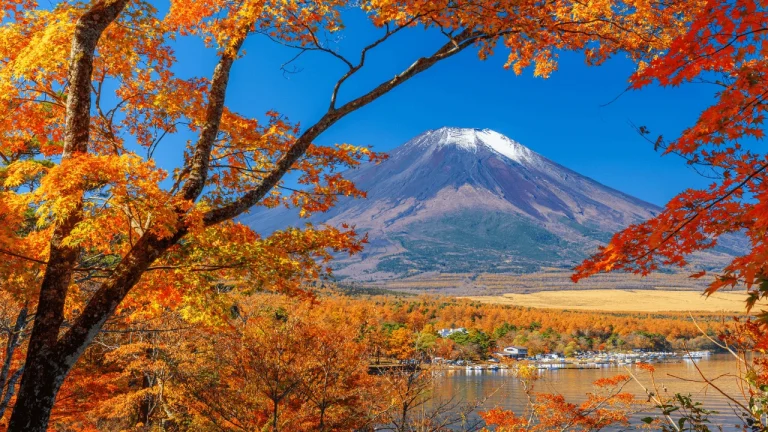
Discover the breathtaking beauty of Japan’s autumn leaves, from vibrant landscapes to seasonal traditions and the best spots for viewing.

Read about part-time jobs in Japan, including convenience stores, customer service, and hourly wages. Perfect for Japanese learners seeking practical, everyday terms.
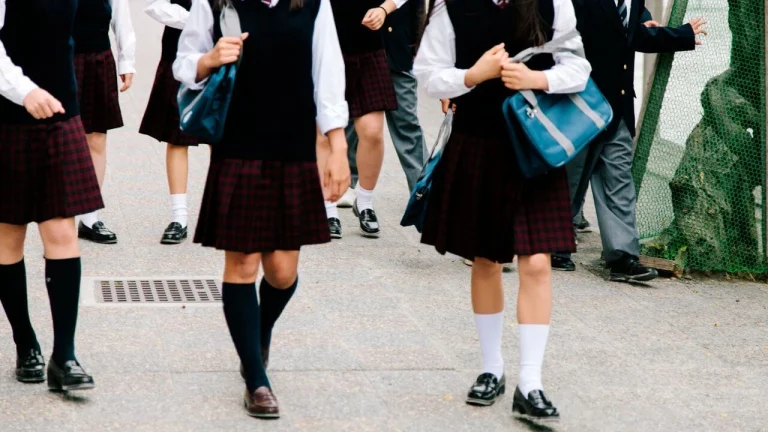
The Japanese school cultural festival is an annual event where students collaborate to prepare activities like food stalls, haunted houses, and performances. Families and friends join to enjoy the lively atmosphere. It fosters teamwork, strengthens friendships, and becomes a cherished memory for students, showcasing their creativity and effort.
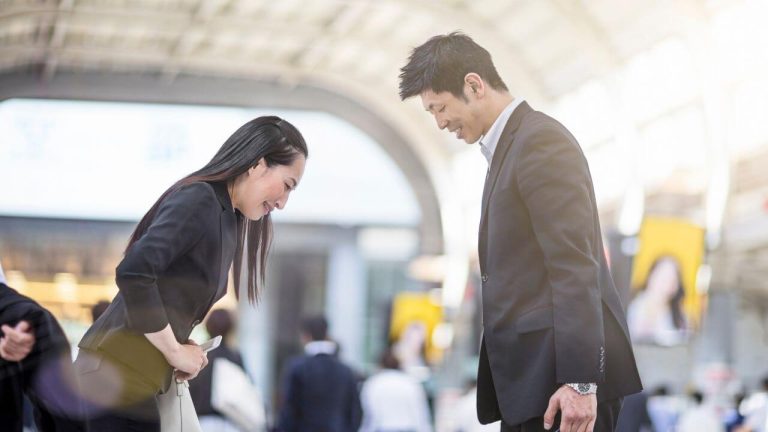
Japanese honorifics indicate social relationships and respect levels. Common ones include さん (-san) for politeness, くん (-kun) for boys or junior males, and ちゃん (-chan) for close friends or young children. Correct use reflects cultural values of respect, hierarchy, and connection, and is essential for effective communication in Japan.

In Japan, cleaning is highly valued at school, home, and work. It fosters responsibility, teamwork, and family bonds. The year-end cleaning tradition, “Oosouji,” and workplace cleaning improve environments and relationships. Cleaning also promotes mental and physical health, reducing stress and enhancing overall well-being.

Halloween in Japan is popular but lacks “trick-or-treating.” In Shibuya, people dress up, gather, and have fun. Convenience stores sell Halloween sweets, and theme parks hold special events. Activities include costumes, eating sweets, and attending events. Shibuya and theme parks are recommended spots to enjoy Halloween in Japan.
Join the NanaFam for practice sheets, new lessons and study tips from Nana.
You're on the list. Look out for our next email in your inbox.