

Japanese grammar
How to Say “Can See” & “Can Hear” in Japanese
Learn the difference between 見える・見られる and 聞こえる・聞ける with clear explanations and examples to use “can see” and “can hear” naturally in Japanese.
Topic
Japanese grammar points and confusing word pairs explained simply, with natural example sentences you can use in conversation.
Learn the difference between 見える・見られる and 聞こえる・聞ける with clear explanations and examples to use “can see” and “can hear” naturally in Japanese.
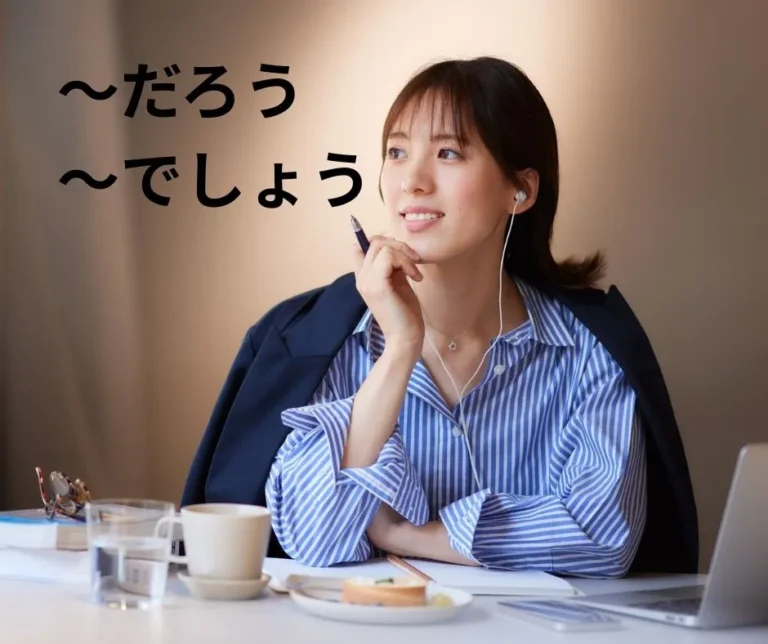
Learn how to use だろう and でしょう to make assumptions in Japanese, with clear explanations, examples, and tips for natural, polite speech.

Learn how to use the Japanese comparison expression 〜に比べて with simple explanations, examples, and natural sentences for daily conversation.
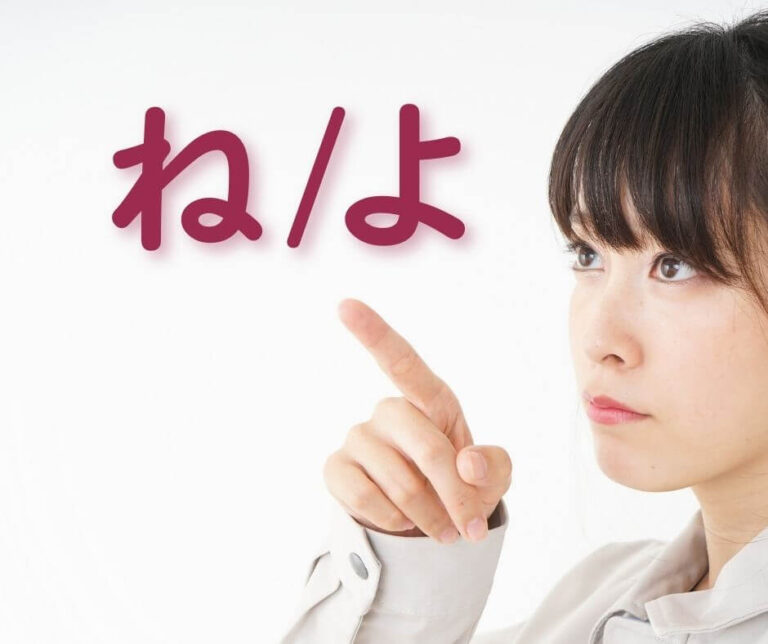
Learn how Japanese sentence-ending particles ね, よ, and よね work to express agreement, emphasis, and confirmation in natural everyday conversations.

Discover natural Japanese expressions you hear daily. Learn meanings, examples, and how to use phrases like やっぱり, なんか, とりあえず.

Learn how to express surprise in Japanese using 〜なんて and 〜とは. Clear examples, nuances, a practice quiz for N4–N3 learners.

Learn essential Japanese winter vocabulary like snow, frost, ice, blizzard, and freeze, plus a simple story and examples to help you practice.
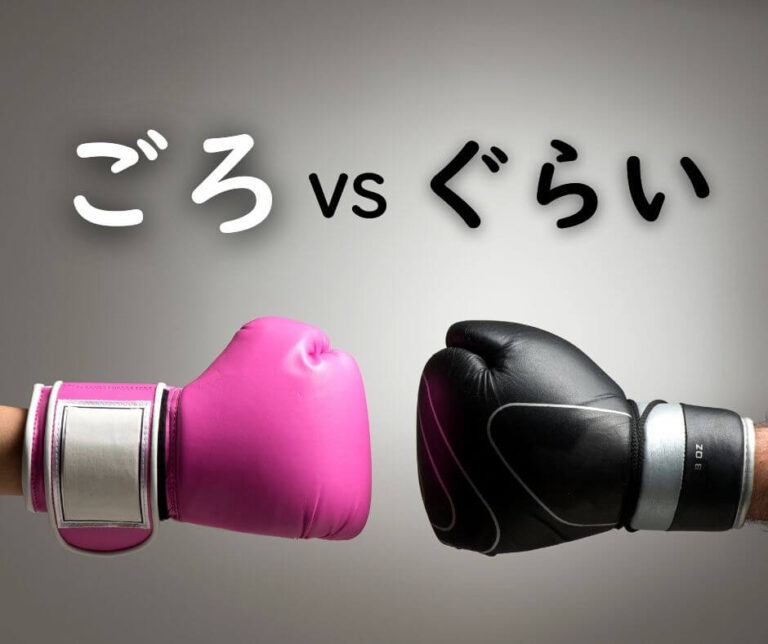
Learn the difference between 〜ぐらい and 〜ごろ in Japanese. Understand how to express approximate amounts and time with clear examples and practice.

Express common sensations in Japanese like お腹が空いた and 喉が渇いた. Learn natural patterns to say you’re hungry, thirsty, tired, sick, and more.
Join the NanaFam for practice sheets, new lessons and study tips from Nana.
You're on the list. Look out for our next email in your inbox.