

 March 5, 2026
 No Comments
The Hidden Difference Between 神社 and お寺 People Miss
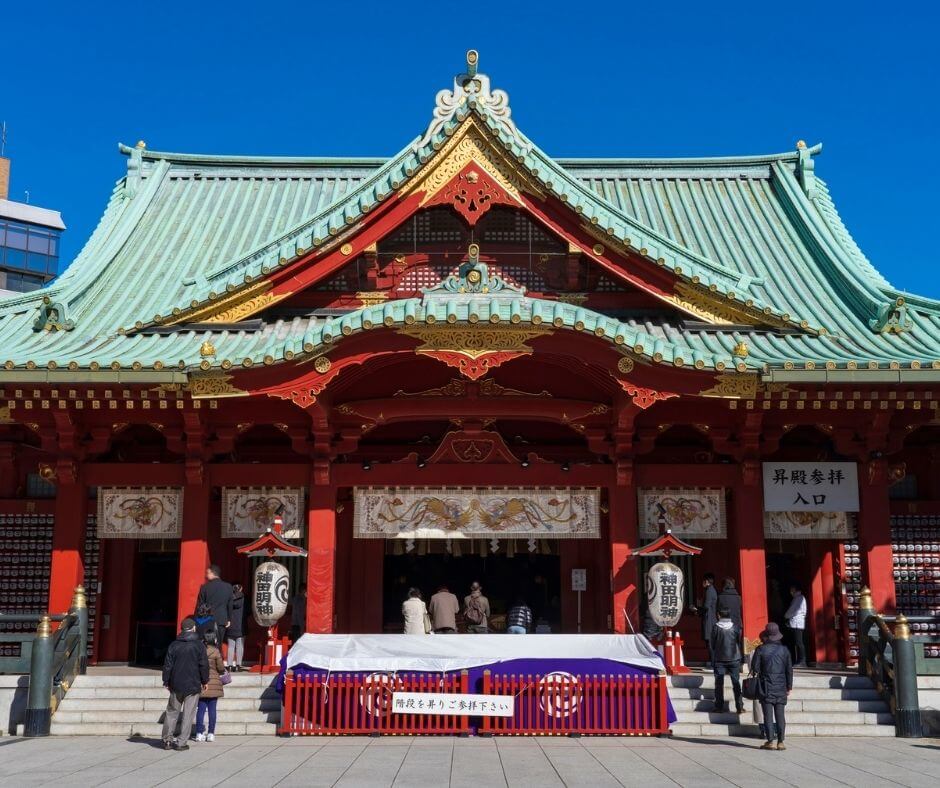
If you travel around Japan, you will quickly notice many beautiful traditional buildings. Some are called 神社, and others are called お寺. At first glance they may look similar, but they actually belong to different religions and serve different purposes.
Understanding the difference between Shinto shrines and Buddhist temples will help you better understand Japanese culture and traditions.
What Is a 神社?
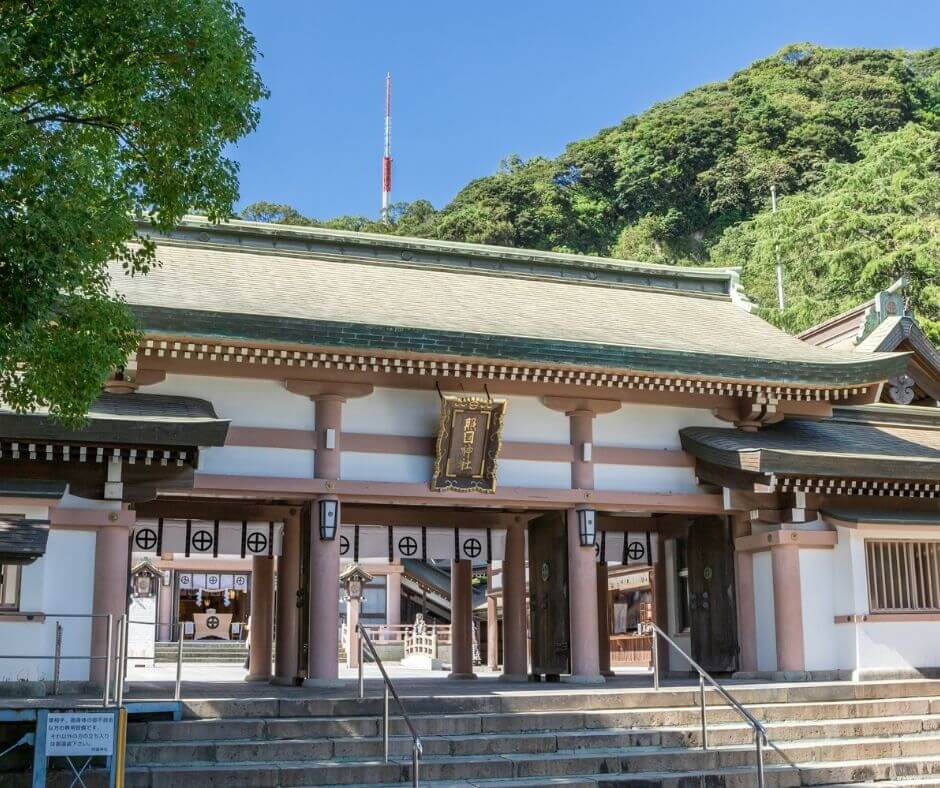
A 神社 is a place of worship in Shinto, the traditional religion of Japan. Shrines are dedicated to 神, spiritual beings connected to nature, ancestors, and important historical figures.
People visit shrines to pray for things such as good luck, health, success in exams, safe travels, or business prosperity. Shrines are also strongly connected to Japanese festivals called 祭り.
Common Things You See at a Shrine
There are several features that are commonly found at a shrine.
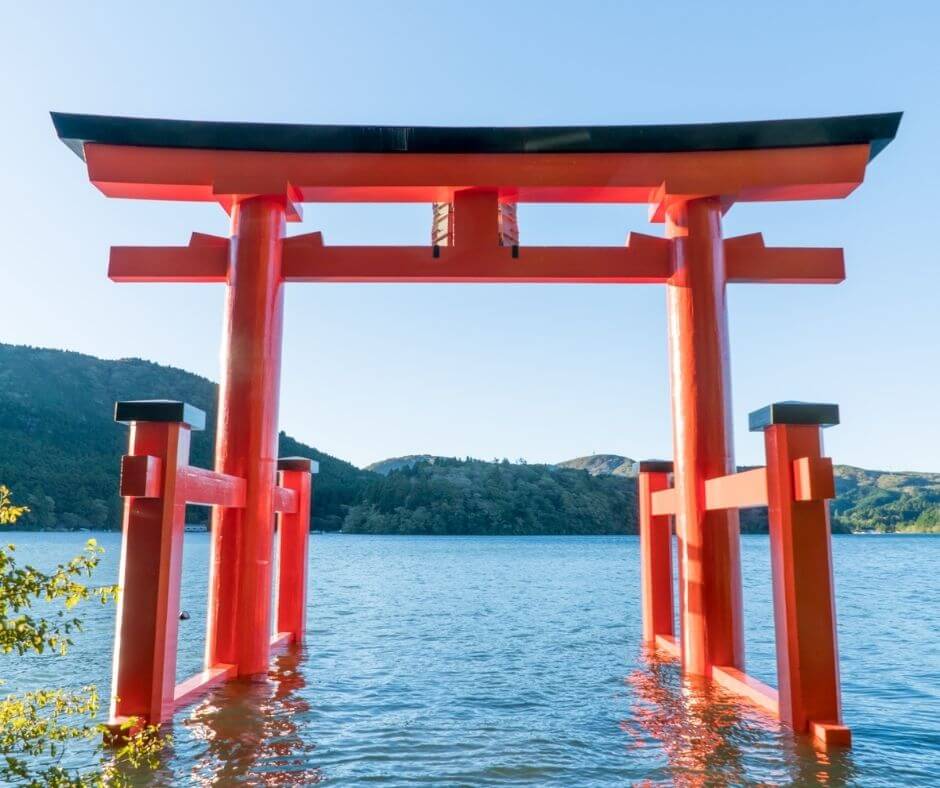
鳥居
A torii gate marks the entrance to sacred ground.
Passing through it symbolizes entering the world of the gods.
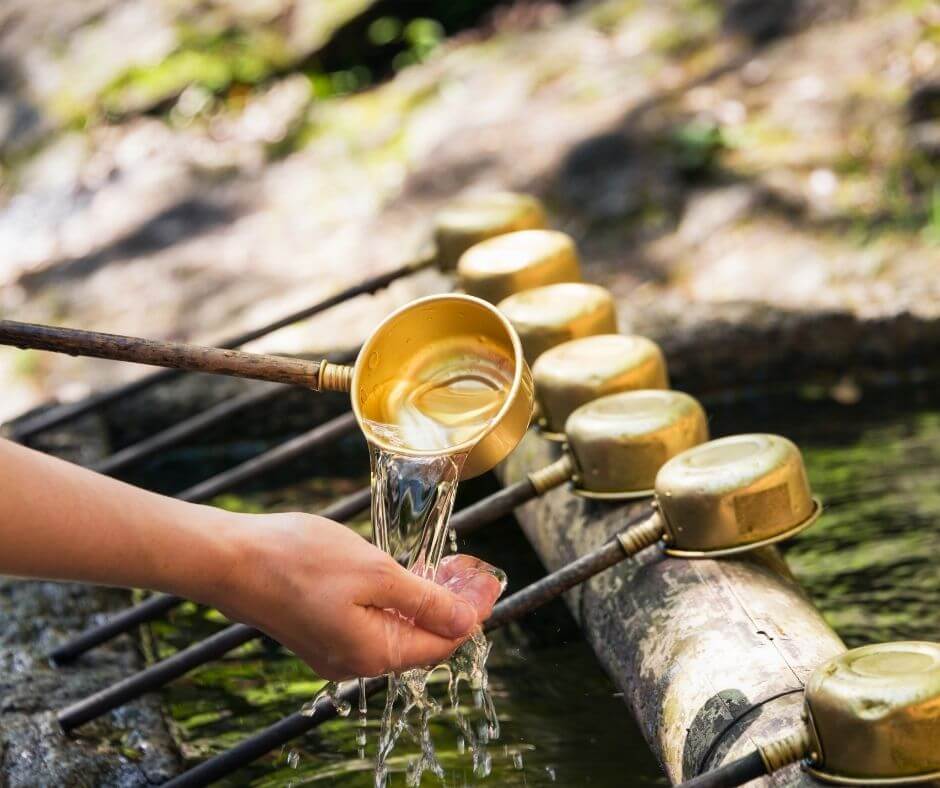
手水舎
Before praying, visitors wash their hands and rinse their mouths here to purify themselves.
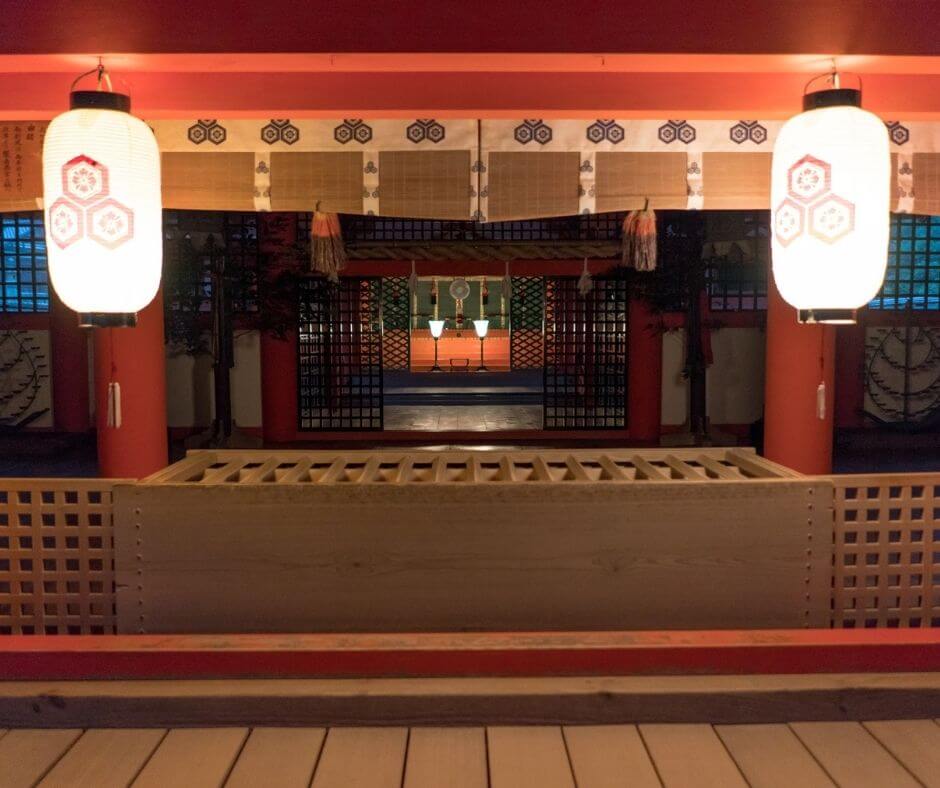
お賽銭箱
People throw coins into the offering box before praying.
How People Pray at a Shrine
The common way to pray at a shrine is:
- Bow twice
- Clap twice
- Pray silently
- Bow once
This method is known as 二礼二拍手一礼.
Check this video for step by step instruction of how to pray : How to Pray at Shrines in Japan
What Is an お寺?
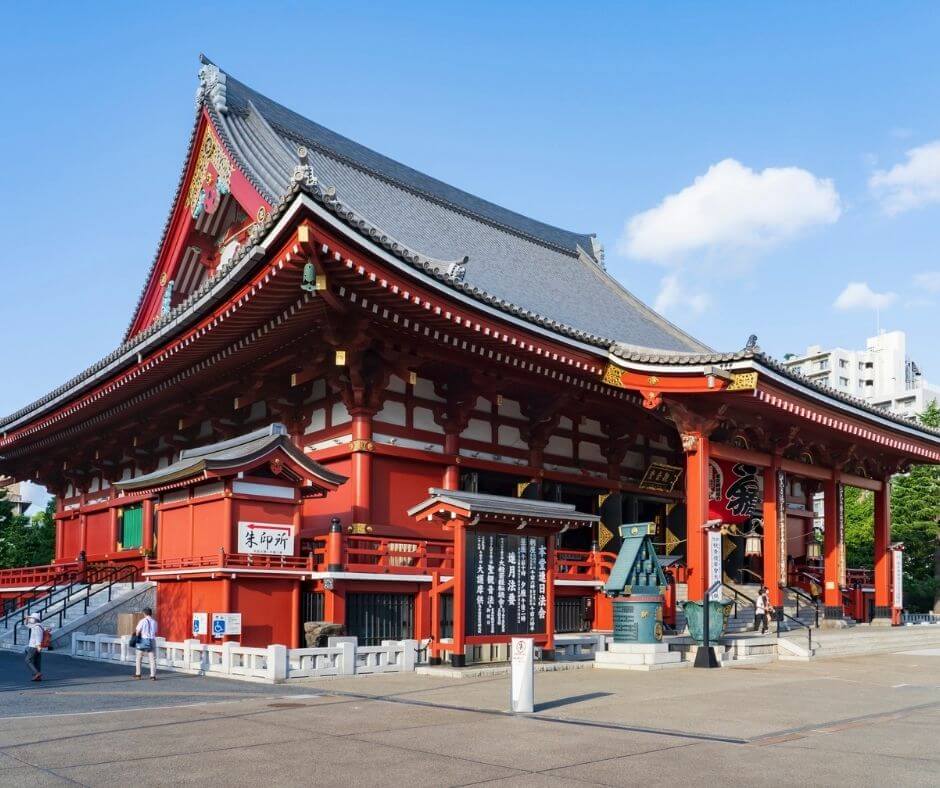
An お寺 belongs to Buddhism, which came to Japan from China and Korea around the 6th century.
Temples are places where people learn Buddhist teachings and pray for the souls of the deceased. Because of this, temples are often associated with funerals and memorial services for ancestors.
Many temples also have monks who live and train there.
Common Things You See at a Temple
Temples have several features that are different from shrines.
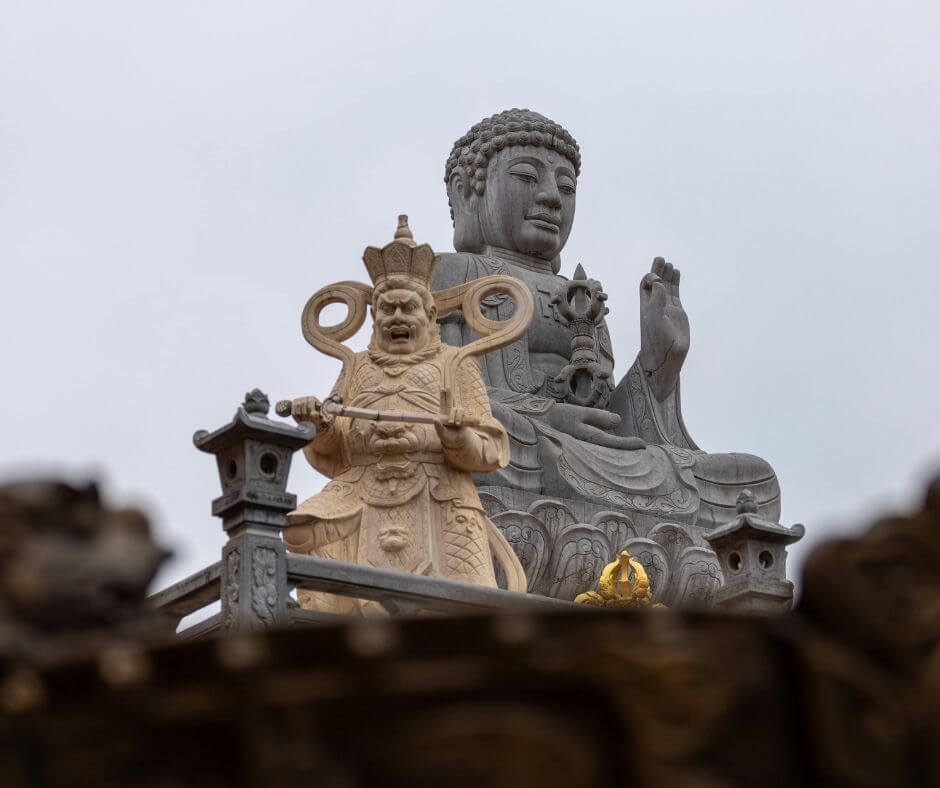
仏像
Inside temples, you will often see statues of Buddha or other Buddhist figures.
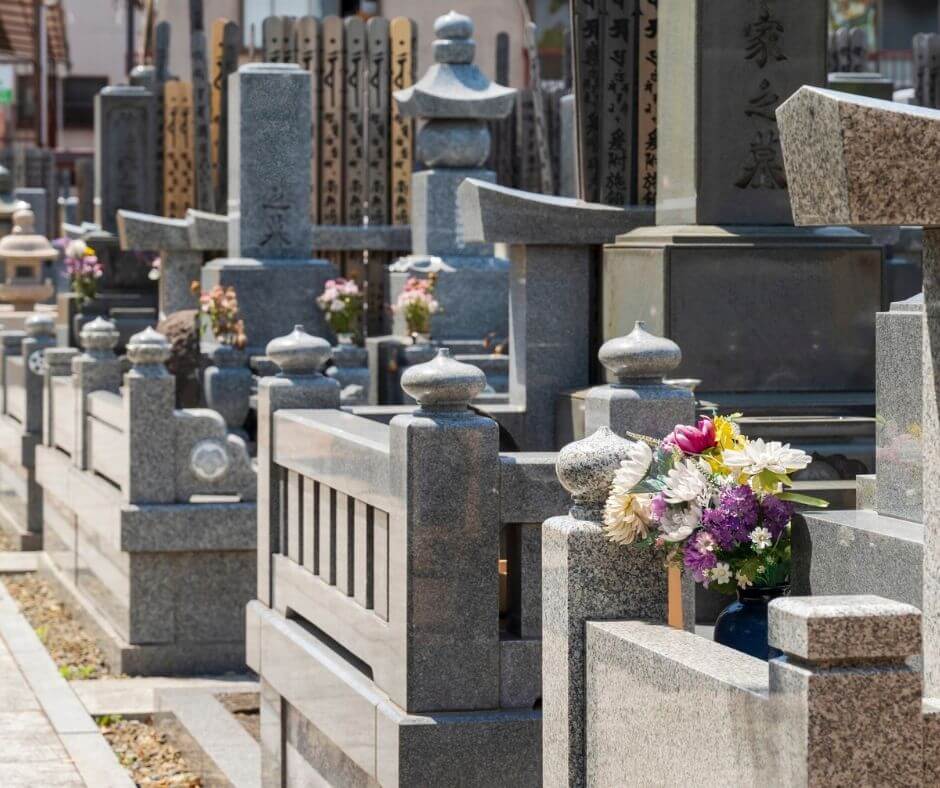
お墓
Temple grounds often contain cemeteries where families visit their ancestors’ graves.
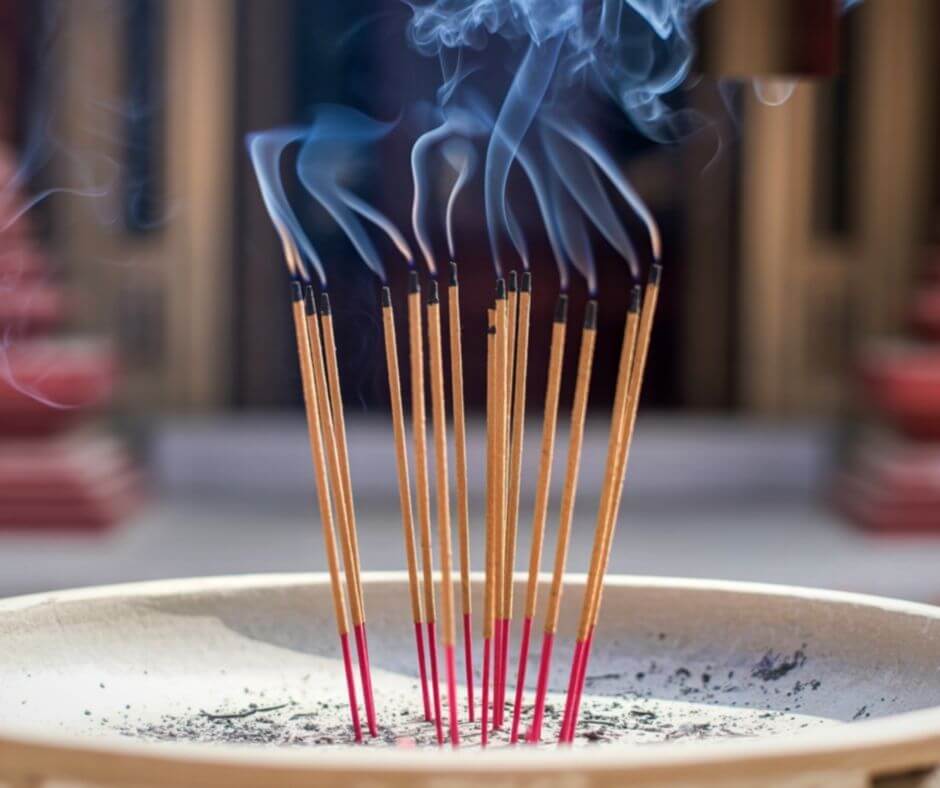
お香
Visitors burn incense to purify themselves and show respect.
Easy Ways to Tell Them Apart
You can often identify a shrine or temple by looking for certain features.
Shrines usually have:
- 鳥居 gates
- 狛犬 guardian statues
- a simple and natural design
Temples often have:
- Buddha statues
- pagodas such as 五重塔
- large incense burners
Why Japan Has Both
Japan has a long history in which Shinto and Buddhism existed together. For centuries, the two religions influenced each other, and many people practiced both traditions.
Even today, many Japanese people visit both shrines and temples depending on the occasion.
For example:
- People often visit a shrine for New Year prayers (初詣)
- Funerals are usually held at a Buddhist temple
This mixture of traditions is one of the unique characteristics of Japanese culture.
Final Thoughts
In simple terms:
神社 are Shinto religious sites where people worship 神.
お寺 are Buddhist religious sites connected to the teachings of Buddha and ancestor memorials.
Both are important parts of Japanese culture, history, and daily life. When you visit Japan, try to notice the differences—you might quickly learn to recognize whether you are standing in front of a 神社 or an お寺.
If you want to learn Japanese, improve your skills, or connect with native speakers and other learners, we can help. We offer one-on-one lessons, a supportive community, and on demand courses.
Website: nihongonana.com
Email: support@nihongonana.com
✅Book 1-on-1 lessons: https://nihongonana.com/lessons/
✅Join our Speaking Club: https://nihongonana.com/community/
✅Join our Course Waitlist: https://nihongonana.com/courses/
Recent Posts
-

Are Oni Real? The…
August 18, 2026
-

How to Say “It’s…
August 17, 2026
-

Religion in Japan: Why…
August 15, 2026
-

Japanese Kitchen Knives: Practical…
August 14, 2026
-
How to Say “It…
August 14, 2026
Leave Comment