
 April 20, 2026
 No Comments
New to Japan? Quick Guide to the Yen
If you are new to Japan, understanding the currency is one of the first things that will make daily life much easier. Japan uses the yen, written as ¥. Prices in stores, restaurants, train stations, and vending machines are all shown in yen.
Don’t worry—it’s simple once you know the basics.
What Is the Yen?
The Japanese yen is the official currency of Japan. In Japanese, yen is written as 円 (えん).
You may see prices like:
- ¥100
- ¥550
- ¥1,200
- ¥10,000
This simply means 100 yen, 550 yen, 1,200 yen, and 10,000 yen.
Japanese Coins
Japan uses six coins:
¥1 – one yen
¥5 – five yen
¥10 – ten yen
¥50 – fifty yen
¥100 – one hundred yen
¥500 – five hundred yen
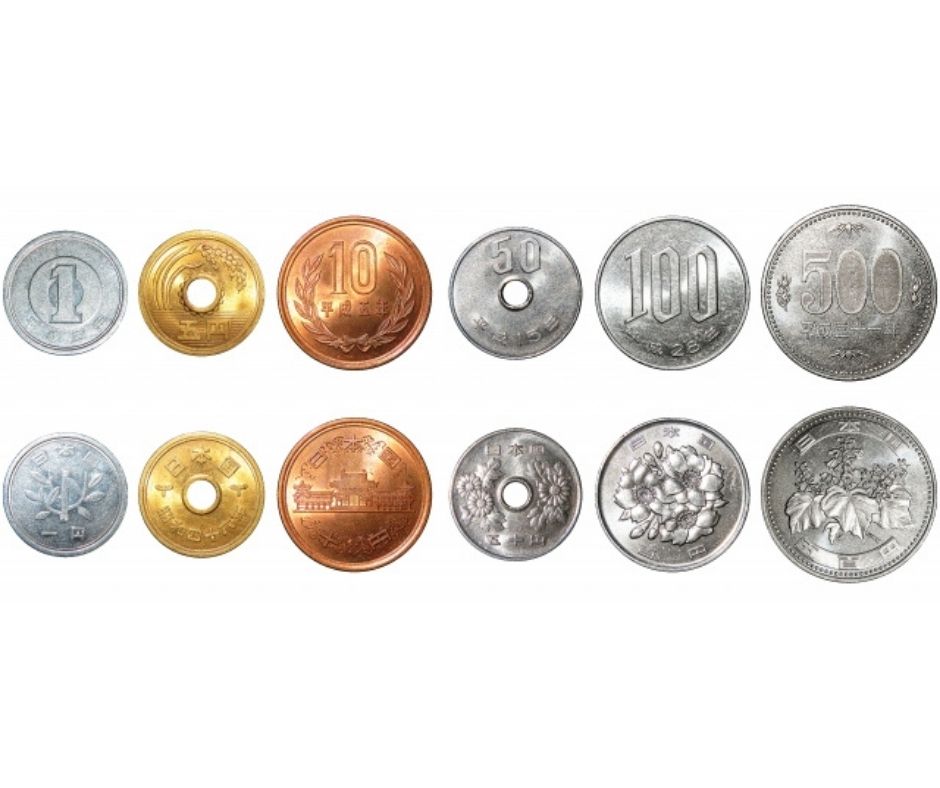
The ¥5 and ¥50 coins have a hole in the middle, making them easy to recognize.
Useful Tip: The Lucky ¥5 Coin
The ¥5 coin is considered lucky in Japan because 五円 (go-en) sounds like ご縁, which means “good connection” or “good fortune.”
Many people use ¥5 coins when visiting shrines and temples as an offering while praying for luck, love, success, or safety. Keeping one in your wallet is also seen as lucky by some people.
Japanese Bills
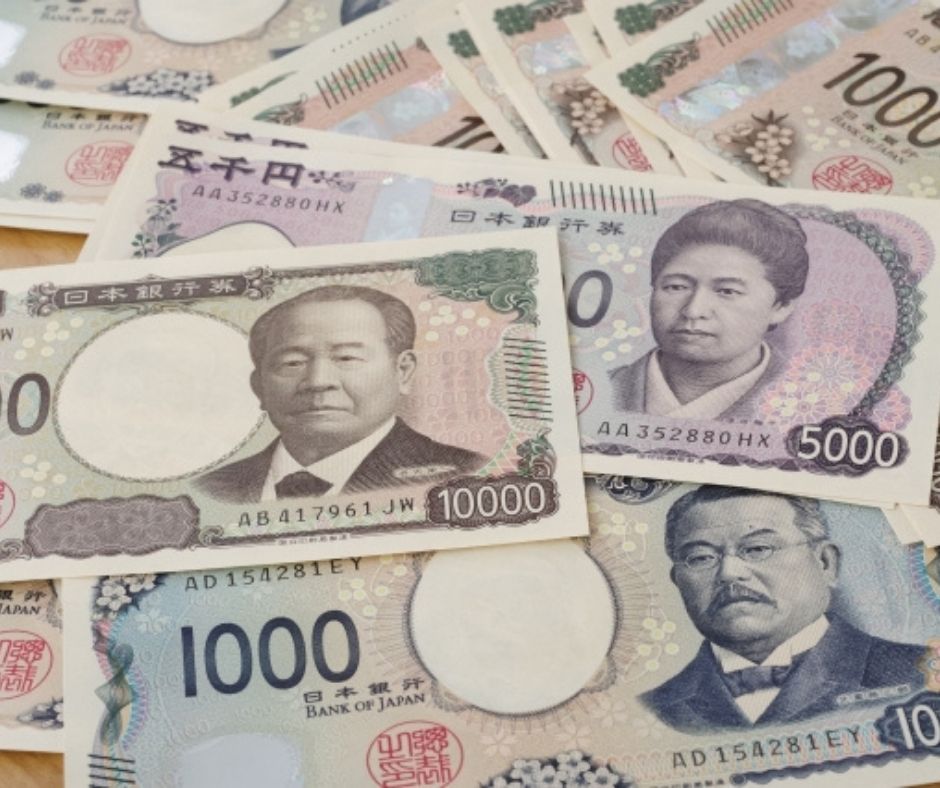
Japan uses these paper bills:
¥1,000 – one thousand yen
¥2,000 – two thousand yen (rare)
¥5,000 – five thousand yen
¥10,000 – ten thousand yen
Useful Tip: New and Old Bills Are Both Fine
Japan introduced new bill designs recently, so you may receive a mix of new bills and older bills in daily life.
Don’t worry—both old and new bills are valid and can be used normally in stores, restaurants, vending machines, and banks.
So if your wallet has different bill designs, that is completely normal in Japan right now.
Useful Tip: The Rare ¥2,000 Bill
The ¥2,000 bill is real, but it is not common in daily life. Many people in Japan rarely see one. If you get one, don’t be surprised if someone says it’s unusual!
Easy Price Examples
Here are some common prices in Japan:
- Drink from vending machine: ¥120–¥180
- Convenience store snack: ¥100–¥300
- Lunch: ¥700–¥1,200
- Train ride: ¥150+ depending on distance
Cash or Card?
Japan accepts credit cards in many places, but some small shops and restaurants may still prefer cash. It is a good idea to carry some yen with you.
You can also use:
- IC cards (Suica, Pasmo, etc.)
- Mobile payments
- Credit cards
Helpful Tip: Big Numbers
Japanese prices can look high at first, but remember:
- ¥100 = small purchase
- ¥1,000 = casual meal or daily spending
- ¥10,000 = larger bill
After a few days, reading prices becomes natural.
Final Thoughts
Learning the yen is one of the easiest ways to feel more comfortable in Japan. Once you know the coins, bills, and common prices, daily life becomes much smoother.
And remember—if you have a ¥5 coin, it might bring you a little luck too. 🇯🇵💴
If you want to learn Japanese, improve your skills, or connect with native speakers and other learners, we can help. We offer one-on-one lessons, group courses and a supportive community!
Website: nihongonana.com
Email: support@nihongonana.com
✅Private Lesson: NihongoNana Private Lessons
✅Group Courses: NihongoNana Courses
✅Online Community: NihongoNana Community
Recent Posts
-

〜たい vs 〜てみたい: The…
September 23, 2026
-

Famous Japanese Watchmakers You…
September 22, 2026
-

Visiting a Hospital in…
September 21, 2026
-

What Is Silver Week…
September 19, 2026
-

ところ vs 場所: How…
September 18, 2026
Leave Comment