

Japanese grammar
How to Use 〜ように and 〜ために in Japanese
Learn the difference between 〜ように and 〜ために in Japanese! Understand when to use each, with clear examples, key points, and practice exercises.
Author
Nana Takagi is a Japanese teacher and the creator of NihongoNana. She makes short, easy Japanese lessons for learners around the world on this blog, Instagram, TikTok and YouTube, and teaches private online lessons.
Learn the difference between 〜ように and 〜ために in Japanese! Understand when to use each, with clear examples, key points, and practice exercises.

Master Japanese location words easily! Learn how to describe places, ask for directions, and navigate Japan confidently with essential vocabulary and examples.

Learn the difference between あります and います in Japanese! Understand when to use each verb for objects, people, and animals with clear examples.

Learn the key differences between は and が in Japanese! Understand their usage with examples, comparisons, and easy explanations for learners.
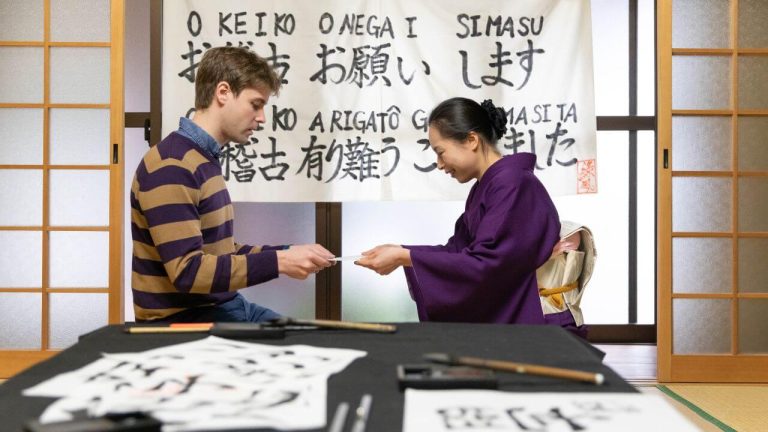
Learn how to conjugate Japanese adjectives into the past and past negative forms with easy rules, examples, and a fun quiz to test your knowledge!
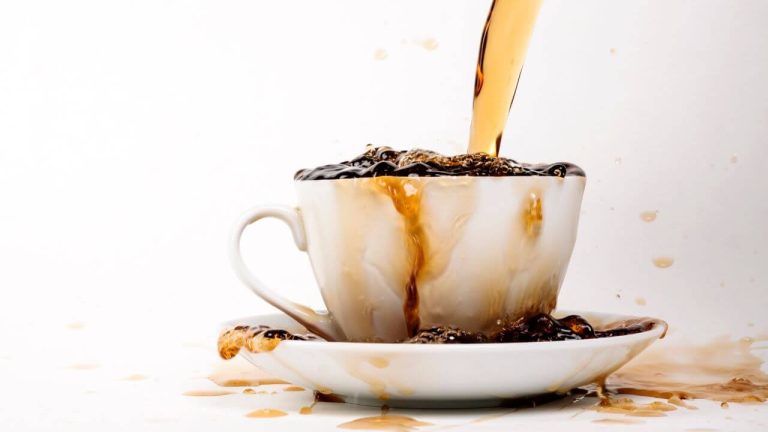
Learn how to use 〜すぎる in Japanese to express “too much” or “excessive” with clear examples, conjugation rules, and common mistakes to avoid!

Learn the most commonly used Japanese onomatopoeia and how they bring sound, emotions, and experiences to life in everyday conversations.

Learn how to interact confidently with Japanese people, with tips on politeness, conversation starters, and useful phrases for building connections.

Discover the beauty of Japan’s traditional tea ceremonies. Explore its origins, key principles, rituals, and aesthetic significance, and learn how this ancient practice continues to inspire modern culture.
Join the NanaFam for practice sheets, new lessons and study tips from Nana.
You're on the list. Look out for our next email in your inbox.