
 April 9, 2026
 No Comments
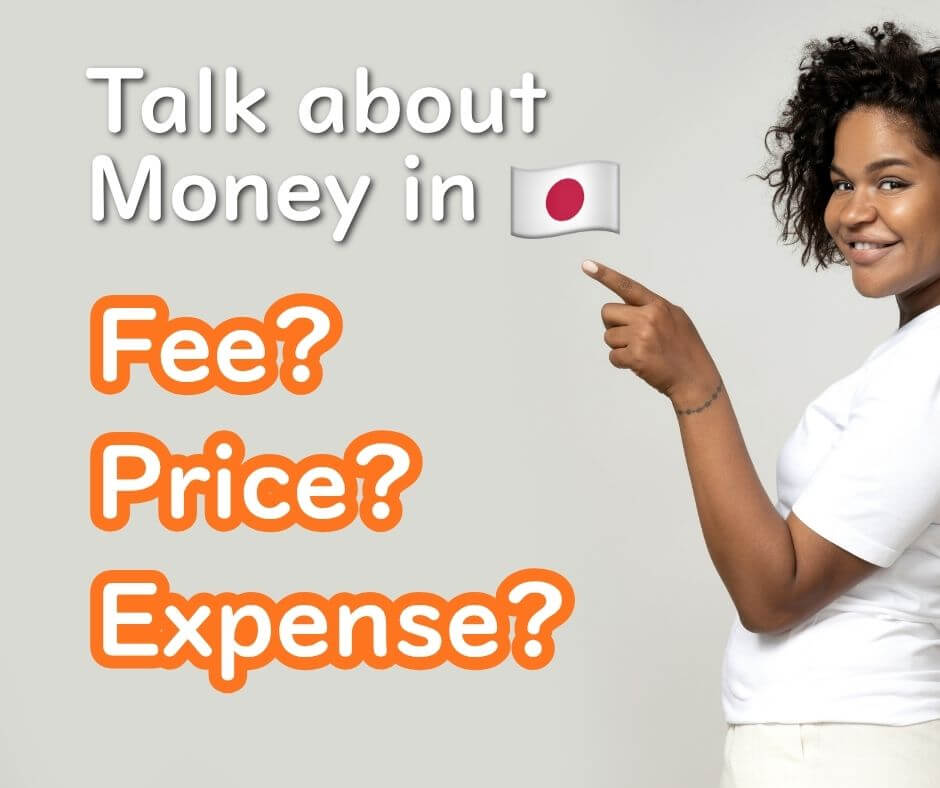
Japanese Money Terms You Must Know Simplified
When learning Japanese, many words can all mean “money” or “price” in English. However, each one has a slightly different nuance and is used in specific situations.
In this post, we’ll break down six common words so you can use them naturally and confidently.
1. 金額(きんがく)– Amount of Money
金額 (きんがく) refers to a numerical amount of money. It focuses on the figure itself, not what the money is for.
It’s often used in formal situations, documents, or when confirming totals.
Examples:
合計の金額を確認してください。
Please check the total amount.
この金額でよろしいですか?
Is this amount okay?
👉 Think: “the number itself”
2. 代金(だいきん)– Payment for Goods
代金(だいきん) is used when talking about money you pay for something you buy (products or items).
Examples:
商品の代金を払いました。
(I paid for the product.)
代金は先払いです。
(The payment must be made in advance.)
👉 Think: “money for goods”
3. 料金(りょうきん)– Fee for Services
料金 (りょうきん) is used for services, not physical things.
Examples:
電車の料金はいくらですか?
How much is the train fare?
このホテルの宿泊料金は高いです。
The hotel fee is expensive.
👉 Think: “money for services”
4. 値段(ねだん)– Price (Casual)
値段 (ねだん) is the most casual and commonly used word for “price.”
You’ll hear this in everyday conversation.
Examples:
この服の値段はいくら?
How much is this clothing?
値段がちょっと高いね。
The price is a bit high.
👉 Think: “everyday price”
5. 費用(ひよう)– Expense / Cost
費用 (ひよう) refers to money needed for a purpose, often larger or more general expenses.
Examples:
旅行の費用を計算しています。
I’m calculating the travel expenses.
修理にかかる費用はどのくらいですか?
How much will the repair cost?
👉 Think: “overall expenses”
6. 価格(かかく)– Price (Formal / Market Value)
価格 (かかく) is more formal and often used in business, economics, or official contexts.
Examples:
この商品の価格は安定しています。
The price of this product is stable.
市場価格が上がっています。
Market prices are rising.
👉 Think: “formal or market price”
Can These Words Be Interchangeable? 🤔
Some of these words can be used in similar situations, but the nuance and level of formality are different. Let’s look at the most common interchangeable pairs:
値段(ねだん) vs 価格(かかく)
Both mean “price,” and in many cases, they can be used interchangeably.
この商品の値段はいくら?
この商品の価格はいくらですか?
How much is the prive of this product?
However:
値段 (ねだん) → casual, everyday conversation
価格 (かかく) → formal, business or written context
👉 In daily conversation, 値段 (ねだん) sounds more natural.
料金(りょうきん) vs 費用(ひよう)
These can overlap when talking about costs, but they focus on different scopes.
旅行の費用を計算しています。
ツアーの料金はいくらですか?
However:
- 費用 (ひよう) → overall or total expenses
- 料金 (りょうきん) → specific service fees
👉 They can sometimes be interchangeable, but 費用 (ひよう) is broader.
Quick Practice 📝 Choose the Correct Word!
Fill in the blanks with the most appropriate word:
(金額・代金・料金・値段・費用・価格)
このホテルの宿泊( )はいくらですか?
How much is the hotel accommodation fee?
合計の( )をご確認ください。
Please check the total amount.
この服の( )、ちょっと高くない?
Isn’t the price of these clothes a bit high?
修理にかかる( )はどのくらいですか?
How much will the repair cost?
商品の( )は先に払ってください。
Please pay for the product in advance.
最近、ガソリンの( )が上がっています。
Recently, gas prices have been rising.
この( )で問題なければ、契約しましょう。
If this amount is okay, let’s proceed with the contract.
Answers
- 料金
- 金額
- 値段
- 費用
- 代金
- 価格
- 金額
Summary 🌱
A simple way to remember:
Situation Japanese Word Meaning Buying a thing 代金(だいきん) Payment for goods Using a service 料金(りょうきん) Fee for services Talking casually 値段(ねだん) Casual price Talking formally/business 価格(かかく) Formal/market price Talking about totals 金額(きんがく) Total amount Talking about overall costs 費用(ひよう) Expenses / overall cost
Once you start noticing these differences in real life, your Japanese will sound much more natural.
If you want to learn Japanese, improve your skills, or connect with native speakers and other learners, we can help. We offer one-on-one lessons, group courses and a supportive community!
Website: nihongonana.com
Email: support@nihongonana.com
✅Private Lesson: NihongoNana Private Lessons
✅Group Courses: NihongoNana Courses
✅Online Community: NihongoNana Community
Recent Posts
-

Japanese Money Terms You…
April 9, 2026
-
ゲームセンター – The Fascinating…
April 8, 2026
-

Ways to Say “Comfortable”…
April 7, 2026
-

フルーツパーク – Unique Tropical…
April 6, 2026
-

有名 vs 人気 Made…
April 4, 2026
Leave Comment