
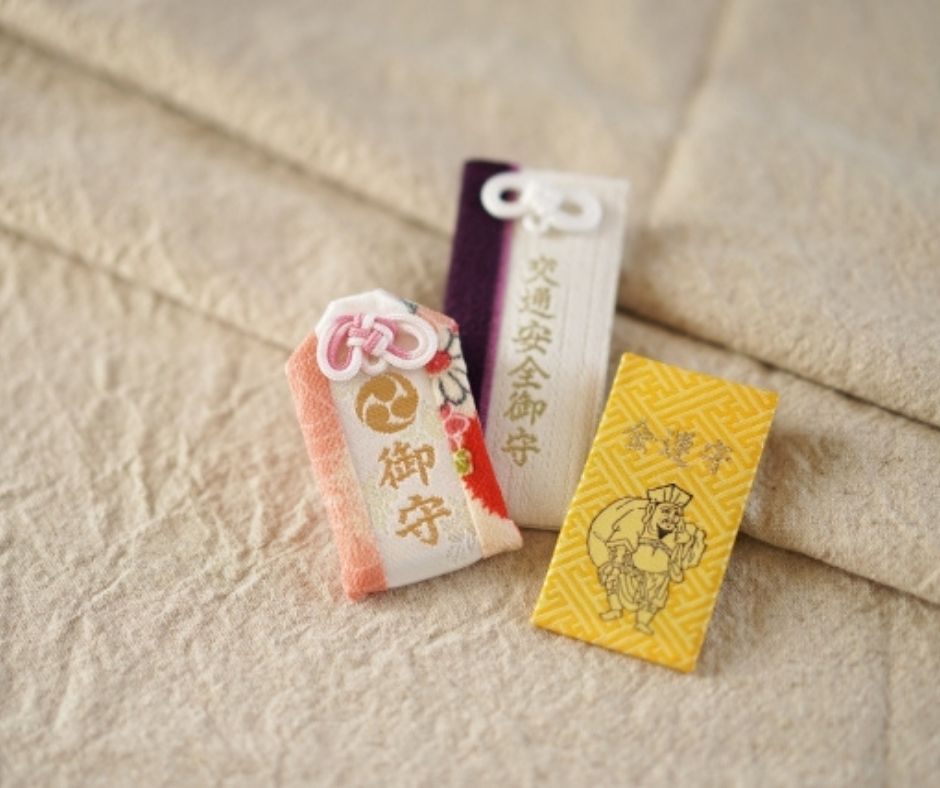
Discover the fascinating world of Japanese lucky charms, known as omamori, and learn about their meanings, different types, and how Japanese people use them for health, love, exam success, and safety. Explore the traditions behind these special charms, including when to return old ones and why many people buy new ones at New Year. Learn more about Japanese culture through this beginner-friendly Japanese reading with furigana. Then, check the English translation and vocabulary to expand your Japanese skills!
みなさん、「お守り」を知っていますか?お守りは、いいことがあるように、そして悪いことが起きないように持つものです。神社やお寺で買うことができます。お守りには、いろいろな種類があります。たとえば、健康、恋愛、勉強、交通安全などがあります。それぞれ意味が違います📿
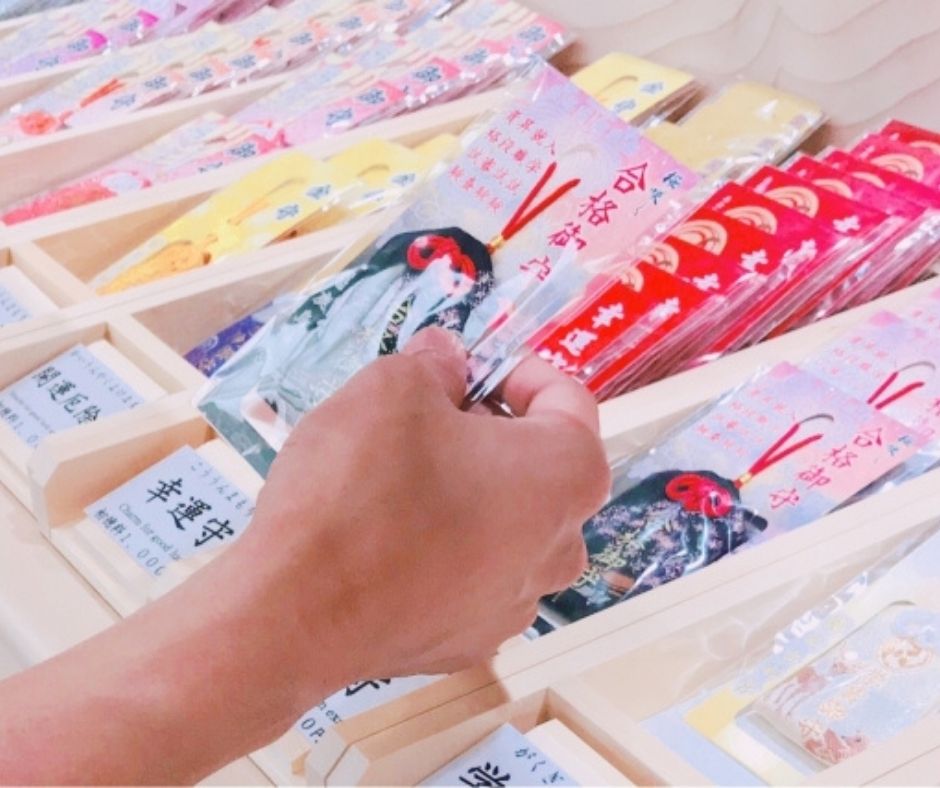
健康のお守りは、病気にならないように持ちます。恋愛のお守りは、好きな人といい関係になるように、勉強のお守りは、試験に合格するように持ちます。また、旅行や車の運転をするときは、事故がないように交通安全のお守りを持つ人もいます。日本では、試験の前に神社やお寺に行く人がたくさんいます。そこで合格のお守りを買って、試験に合格するようにお願いをします🙏
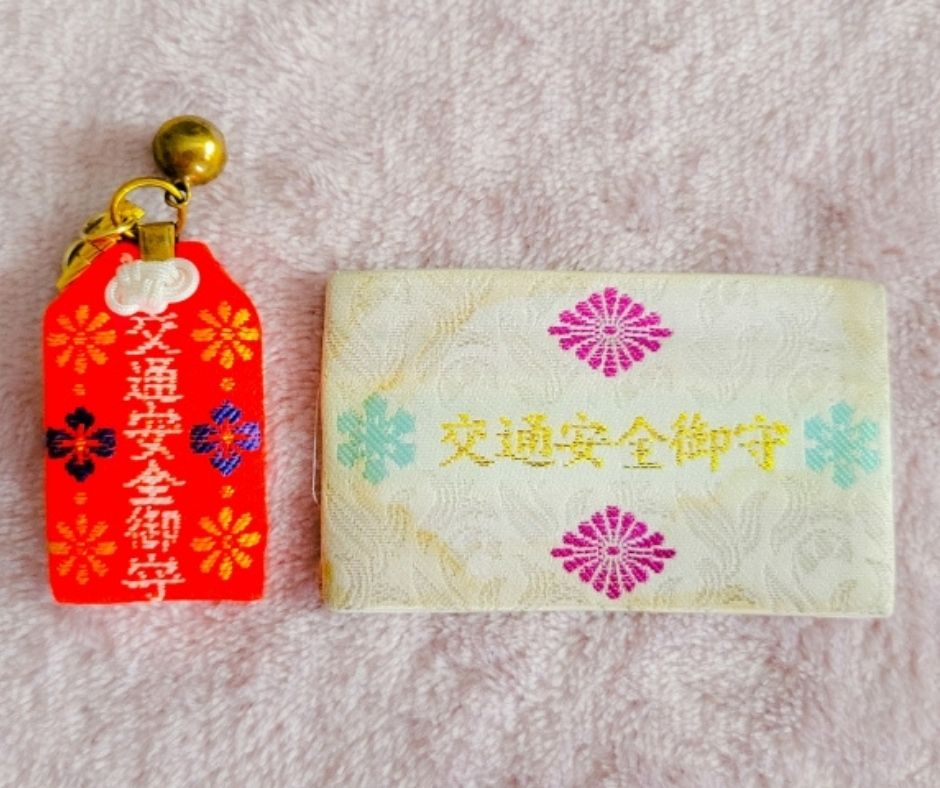
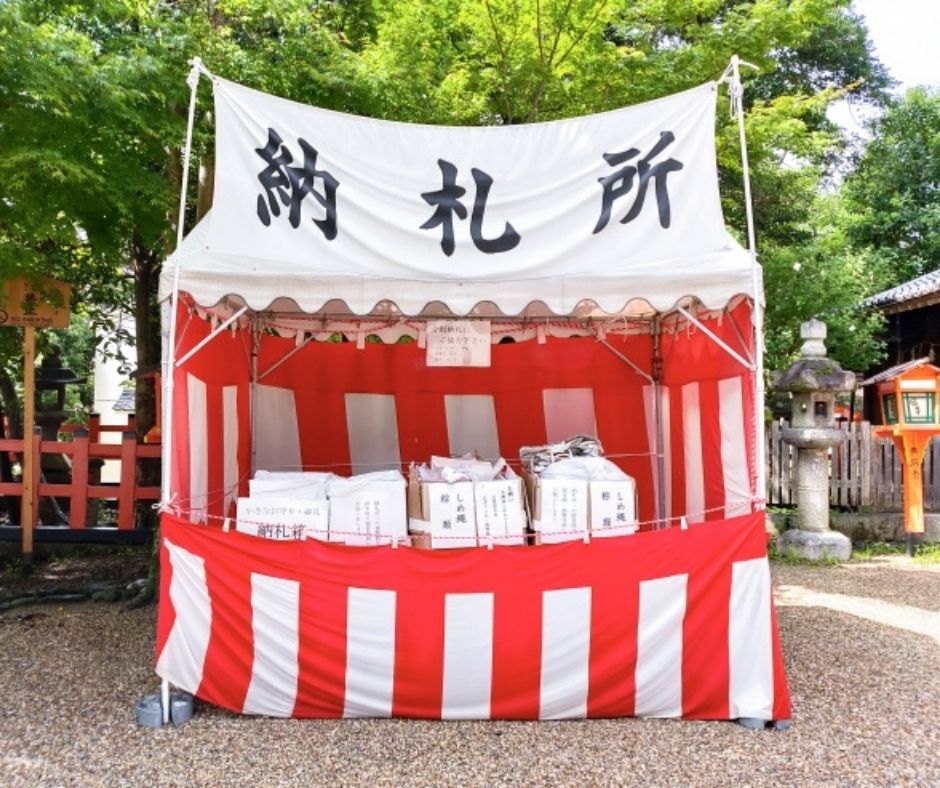
お守りは、かばんにつけたり、さいふに入れたりして、いつも近くに置きます。そして、一年くらい使ったあと、神社やお寺に返す人が多いです。古いものは、そこで燃やしてもらいます。そして、新しいものを買うこともできます。特に、お正月には、新しいお守りを買う人がたくさんいます🙌
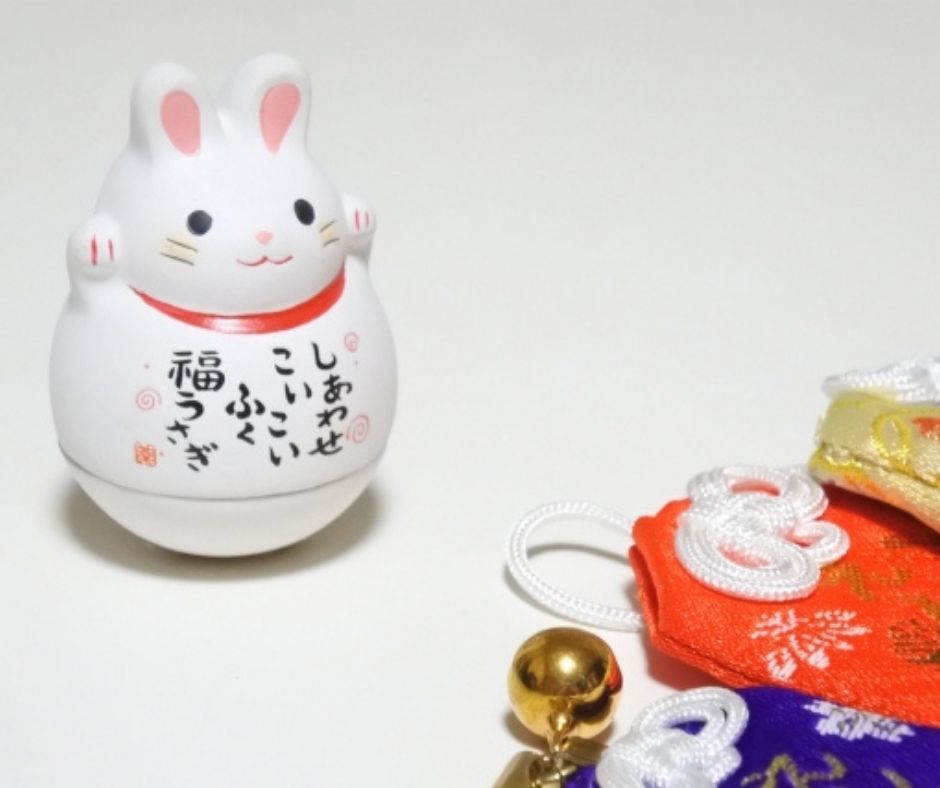
最近は、かわいい色やデザインのものも増えています。神社やお寺によって、デザインが違うので、見るだけでも楽しいですよ!家族や友だちにプレゼントする人もいます。小さくても、大切な意味がある日本のお守り。みなさんは、どんなお守りがほしいですか?日本に来たら、ぜひ神社やお寺で探してみてくださいね!😊
English Translation
ShowHide
Do you know about omamori? Omamori are lucky charms that people carry to bring good luck and protect themselves from bad things. You can buy them at Shinto shrines and Buddhist temples.
There are many different types of omamori. For example, there are charms for health, love, studying, and traffic safety. Each one has a different meaning.
Health charms are carried to help prevent illness. Love charms are for finding love or having a good relationship with someone you like. Study charms are for passing exams. Also, when traveling or driving a car, some people carry traffic safety charms to help prevent accidents.
In Japan, many people visit shrines or temples before an exam. They buy a charm for exam success and pray to pass their exams.
People attach omamori to their bags or put them in their wallets so they can keep them close. Many people return them to the shrine or temple after using them for about a year. Old charms are burned there as part of a traditional ceremony. After that, people can buy new ones. Many people especially buy new omamori at the beginning of the New Year.
Recently, more and more cute charms with different colors and designs have become available. The designs are different depending on the shrine or temple, so it’s fun just to look at them! Some people also give them as presents to family and friends.
Japanese omamori may be small, but they have special meanings. What kind of charm would you like to have?
If you visit Japan, be sure to look for one at a shrine or temple!
Vocabulary List
- お守りおまもりGood luck charm
- 知るしるTo know
- いいことGood things
- 悪いことわるいことBad things
- 起きるおきるTo happen
- 持つもつTo carry / To have
- 神社じんじゃShinto shrine
- お寺おてらBuddhist temple
- 買うかうTo buy
- いろいろなVarious / Different kinds of
- 種類しゅるいType / Kind
- たとえばFor example
- 健康けんこうHealth
- 恋愛れんあいLove / Romance
- 勉強べんきょうStudy
- 交通安全こうつうあんぜんTraffic safety
- それぞれEach / Each one
- 意味いみMeaning
- 違うちがうTo be different
- 病気びょうきIllness / Sickness
- 好きすきTo like
- 人ひとPerson
- 関係かんけいRelationship
- 試験しけんExam
- 合格するごうかくするTo pass an exam
- またAlso
- 旅行りょこうTravel / Trip
- 車くるまCar
- 運転するうんてんするTo drive
- 事故じこAccident
- 前まえBefore / In front of
- 行くいくTo go
- たくさんMany / A lot
- そこでThere / At that place
- お願いするおねがいするTo pray / To ask for something
- かばんBag
- つけるTo attach
- さいふWallet
- 入れるいれるTo put in
- いつもAlways
- 近くちかくNearby / Close
- 置くおくTo put / To place
- 一年いちねんOne year
- ~くらいAbout / Approximately
- 使うつかうTo use
- あとAfter
- 返すかえすTo return
- 多いおおいMany / A lot
- 古いふるいOld
- 燃やすもやすTo burn
- 新しいあたらしいNew
- できるCan / To be able to
- 特にとくにEspecially
- お正月おしょうがつJapanese New Year
- 最近さいきんRecently
- かわいいCute
- 色いろColor
- 増えるふえるTo increase
- ~によってDepending on
- 見るみるTo see / To look
- だけOnly / Just
- 楽しいたのしいFun / Enjoyable
- 家族かぞくFamily
- 友だちともだちFriend
- 小さいちいさいSmall
- 大切たいせつImportant / Precious
- どんなWhat kind of
- ほしいTo want
- 来るくるTo come
- ぜひDefinitely / By all means
- 探すさがすTo look for
Talk about Japanese lucky charms in your next lesson!
Have you ever bought a Japanese lucky charm? What kind of omamori would you like to have? Book a free trial lesson and practise talking about Japanese culture, traditions, and everyday life in Japan. You can also share your answer in the comments!