
Discover five sections of Japanese woodblock prints, from their history and famous artist Katsushika Hokusai to how they are made. Enjoy this beginner-friendly Japanese reading with furigana, then check the English translation and vocabulary to learn more about traditional Japanese art!
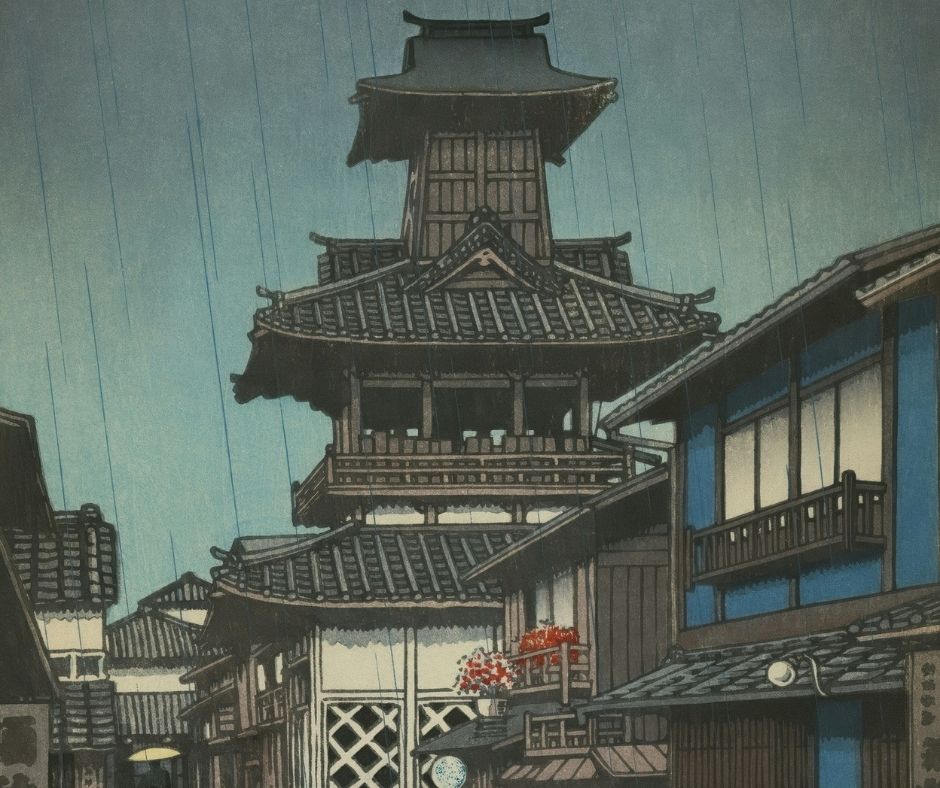
日本には、昔からある絵の作り方があります。それは「木版画」です。木版画は、木を使って作る絵です。昔の日本では、たくさんの人が木版画を楽しんでいました。木版画には、日本のいろいろな景色や、人、花、動物などが描かれています。特に、江戸時代にとても人気がありました。そのころ、町には木版画を売る店がたくさんありました。人々は、安いお金で絵を買うことができました。
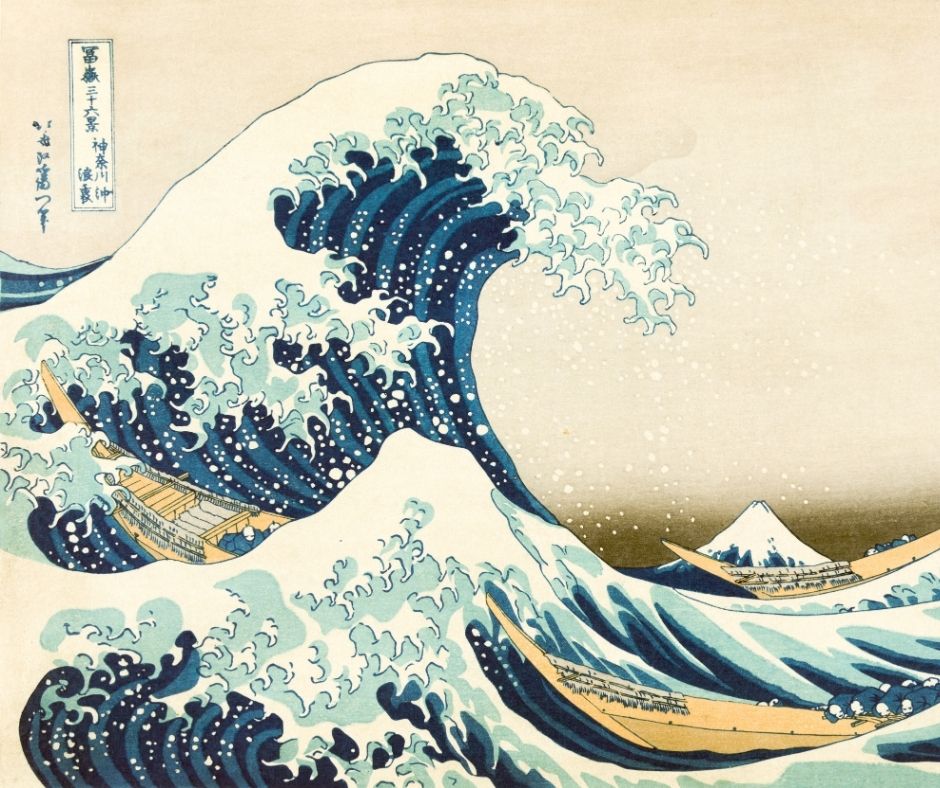
木版画で有名な人は、葛飾北斎です。北斎は、たくさんの絵を描きました。特に、富士山の絵がとても有名です。「富嶽三十六景」という作品には、いろいろな場所から見た富士山が描かれています。その中でも、「神奈川沖浪裏」という大きな波の絵は、とても有名です。
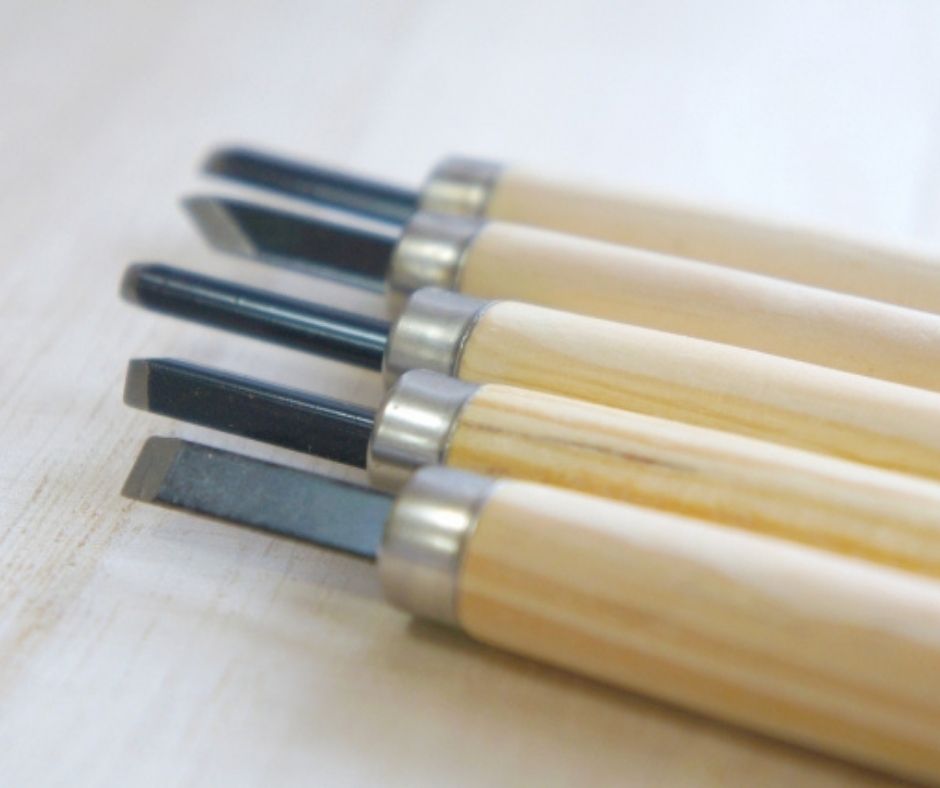
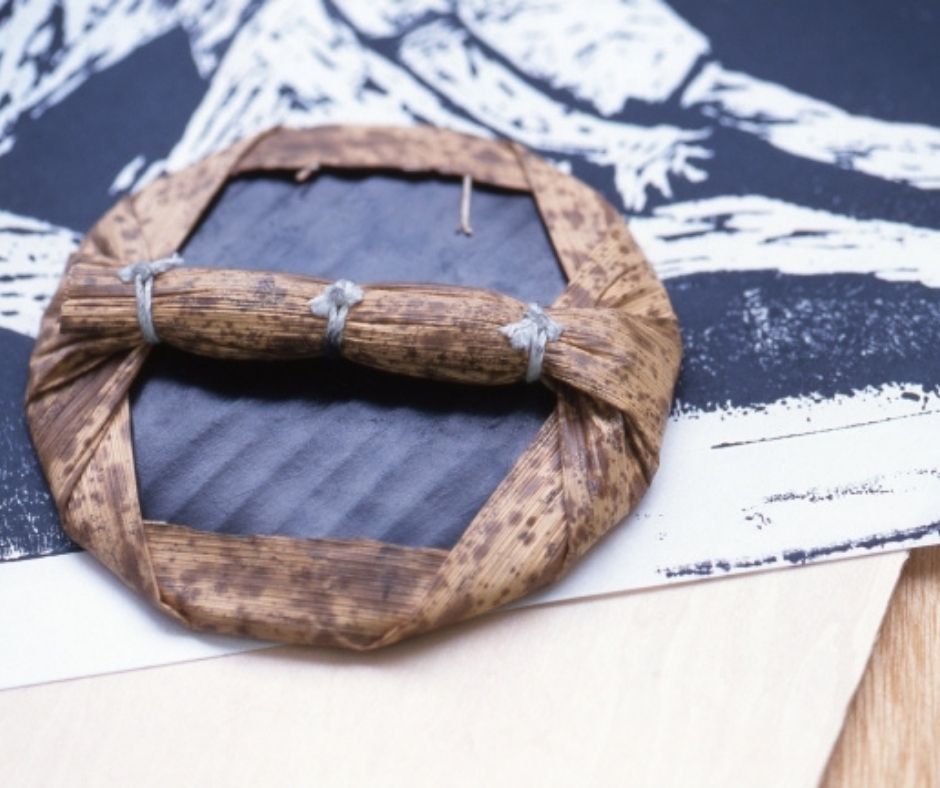
では、木版画はどうやって作るのでしょうか。まず、紙に絵を描きます。次に、その絵を木に写します。そして、木を少しずつ彫ります。次に、彫った木に色をつけて、その上に紙を置きます。最後に、紙を上から押します。すると、紙に絵ができます!木版画には、赤や青、黄色など、いろいろな色が使われています。そのときは、色ごとに木を使います。だから、一つの絵を作るために、たくさんの時間がかかります。
今でも、日本の美術館で木版画を見ることができます。また、自分で木版画を作ることができる場所もあります。
実は、私も小学生のとき、学校で版画のクラスがありました。自分で絵を作るのは、とても楽しかったです!
木版画は、日本の昔の文化を知ることができる、おもしろいものです。きれいな色や、いろいろな絵を楽しむことができます。日本に来たときは、ぜひ木版画を見てみてくださいね!
English Translation
ShowHide
Japan has a traditional way of making pictures called mokuhanga (Japanese woodblock printing). Woodblock prints are pictures made using wood. In the past, many people in Japan enjoyed these prints.
Woodblock prints show many different things, such as Japanese scenery, people, flowers, and animals. They became especially popular during the Edo period. At that time, there were many shops selling woodblock prints in towns. People could buy these pictures at low prices.
One of the most famous woodblock print artists is Katsushika Hokusai. He created many pictures, especially pictures of Mount Fuji. His famous collection, Thirty-six Views of Mount Fuji, shows Mount Fuji from many different places. One of the most famous prints in this collection is The Great Wave off Kanagawa, which features a huge wave.
So, how are woodblock prints made?
First, an artist draws a picture on paper. Next, the picture is copied onto a piece of wood. Then, the artist carefully carves the wood. After that, color is added to the carved wood, and paper is placed on top. Finally, the paper is pressed down. The picture is then printed onto the paper!
Woodblock prints often use different colors, such as red, blue, and yellow. A different piece of wood is used for each color. Because of this, making a single picture takes a lot of time and effort.
Even today, you can see woodblock prints in art museums in Japan. There are also places where you can try making your own woodblock prints.
Actually, when I was in elementary school, we had an art class where we made prints. I really enjoyed making my own pictures!
Woodblock prints are a fascinating part of traditional Japanese culture. You can enjoy their beautiful colors and variety of designs. If you visit Japan, be sure to take a look at Japanese woodblock prints!
Vocabulary List
- 昔むかしLong ago / Past
- 絵えPicture
- 作り方つくりかたHow to make
- 木版画もくはんがJapanese woodblock print
- 木きWood / Tree
- 使うつかうTo use
- たくさんMany / A lot
- 人ひとPerson
- 楽しむたのしむTo enjoy
- いろいろVarious / Different
- 景色けしきScenery
- 花はなFlower
- 動物どうぶつAnimal
- 描くかくTo draw / Paint
- 特にとくにEspecially
- 江戸時代えどじだいEdo period
- 人気にんきPopularity
- そのころAt that time
- 町まちTown
- 売るうるTo sell
- 店みせShop
- 人々ひとびとPeople
- 安いやすいCheap / Inexpensive
- お金おかねMoney
- 買うかうTo buy
- 有名ゆうめいFamous
- 葛飾北斎かつしかほくさいKatsushika Hokusai
- 富士山ふじさんMount Fuji
- 作品さくひんArtwork / Work
- 場所ばしょPlace
- 見るみるTo see / Look at
- 中なかInside / Among
- 神奈川沖浪裏かながわおきなみうらThe Great Wave off Kanagawa
- 大きいおおきいBig / Large
- 波なみWave
- どうやってHow
- まずFirst
- 紙かみPaper
- 次につぎにNext
- 写すうつすTo copy / Transfer
- 少しずつLittle by little
- 彫るほるTo carve
- 色いろColor
- つけるTo add / Put on
- 上うえAbove / On top
- 置くおくTo place / Put
- 最後にさいごにFinally
- 押すおすTo press
- するとThen / As a result
- 赤あかRed
- 青あおBlue
- 黄色きいろYellow
- 色ごといろごとFor each color
- 一つひとつOne
- 時間じかんTime
- かかるTo take (time)
- 今いまNow
- 美術館びじゅつかんArt museum
- 自分じぶんOneself
- 場所ばしょPlace
- 実はじつはActually
- 小学生しょうがくせいElementary school student
- 学校がっこうSchool
- 楽しいたのしいFun / Enjoyable
- 文化ぶんかCulture
- 知るしるTo know / Learn
- おもしろいInteresting
- きれいBeautiful
- 来るくるTo come
- ぜひBy all means / Definitely
Talk about traditional Japanese art in your next lesson!
Have you ever seen a Japanese woodblock print? Which artwork do you like the most? Book a free trial lesson and practise talking about Japanese art, culture, and your interests in Japanese. You can also share your answer in the comments!