

Japanese grammar
How to Express the Five Senses in Japanese with ~がする
Learn how to use ~がする in Japanese to express the five senses—sound, voice, smell, taste, and feeling. Natural examples and tips make speaking more fluent.
Author
Nana Takagi is a Japanese teacher and the creator of NihongoNana. She makes short, easy Japanese lessons for learners around the world on this blog, Instagram, TikTok and YouTube, and teaches private online lessons.
Learn how to use ~がする in Japanese to express the five senses—sound, voice, smell, taste, and feeling. Natural examples and tips make speaking more fluent.

Learn the difference between ~たり~たりする and ~とか~とかする in Japanese. Understand their nuance, usage, and natural examples.

Learn how to use ~ようにする in Japanese to express effort, habits, and goals. Master this grammar to sound natural and intentional.

Learn the key difference between 知る and 分かる in Japanese. Understand when to use each verb to sound natural and fluent.

Learn how to use ~ばよかった in Japanese to express regret or missed chances. Say “I wish I had…” or “I should have…” naturally.

Learn the difference between 大きい and 大きな in Japanese. Both mean “big,” but their usage and nuance aren’t always the same.
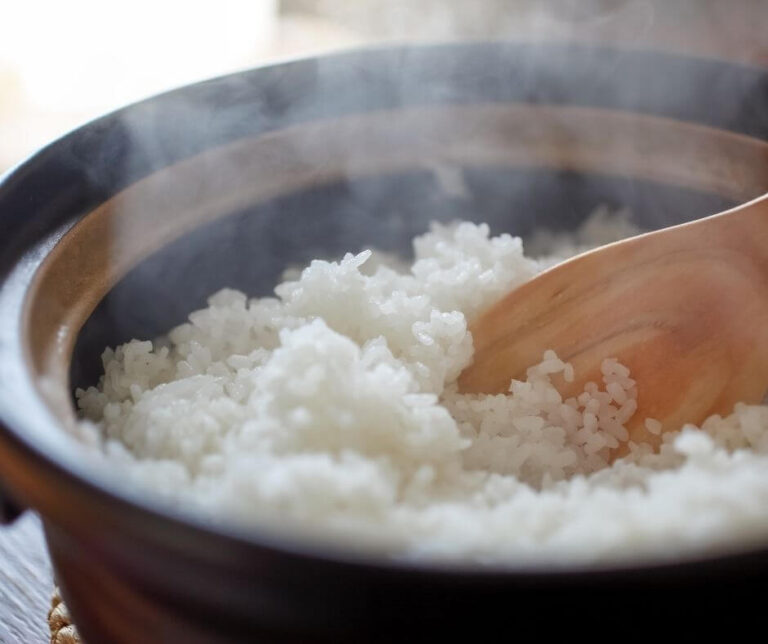
Japan’s rice shortage explained: 5kg prices jump 2,200–2,400 to 3,800–4,800 yen; heat hurt quality, supply uneven, panic buying spread; stores ration.

Discover how Japan’s traditional summer homework like book reports and kanji drills has changed, with less focus on assignments and more on experiences.
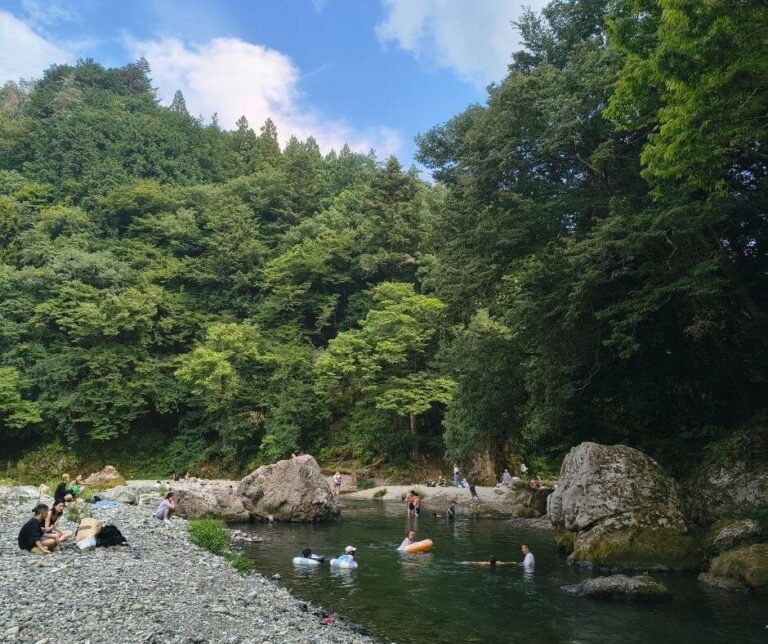
Discover why people in Japan avoid rivers during Obon. Learn the cultural beliefs and real dangers behind this summer tradition.
Join the NanaFam for practice sheets, new lessons and study tips from Nana.
You're on the list. Look out for our next email in your inbox.