
 March 21, 2026
 No Comments
Discover the Beautiful Meaning of Shunbun no Hi
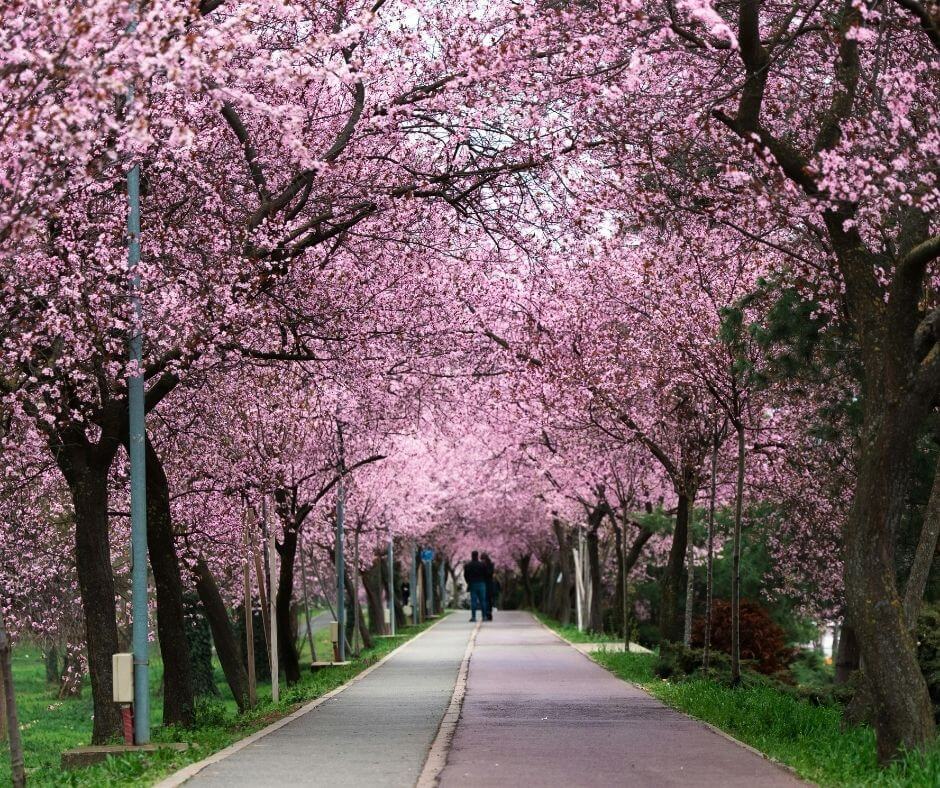
昨日、3月20日は「春分の日」でした🌸日本の祝日です。毎年大体20日か21日にあります。この日は、昼と夜の長さがほとんど同じになるんです🌄これからだんだん暖かくなって、春が来るのが楽しみです!
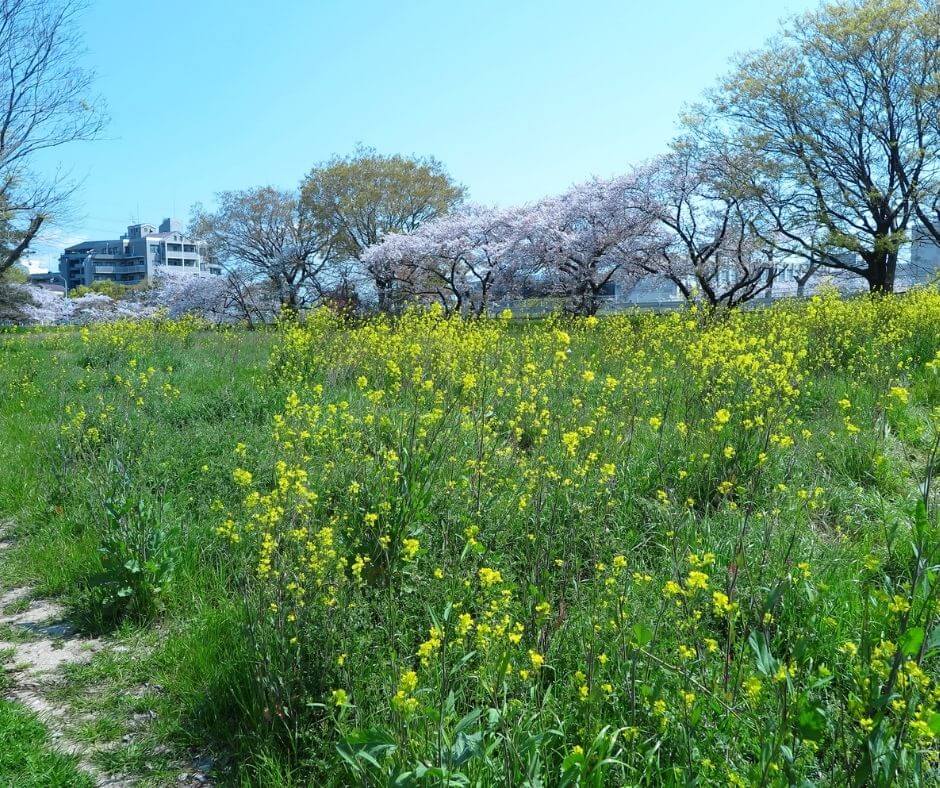
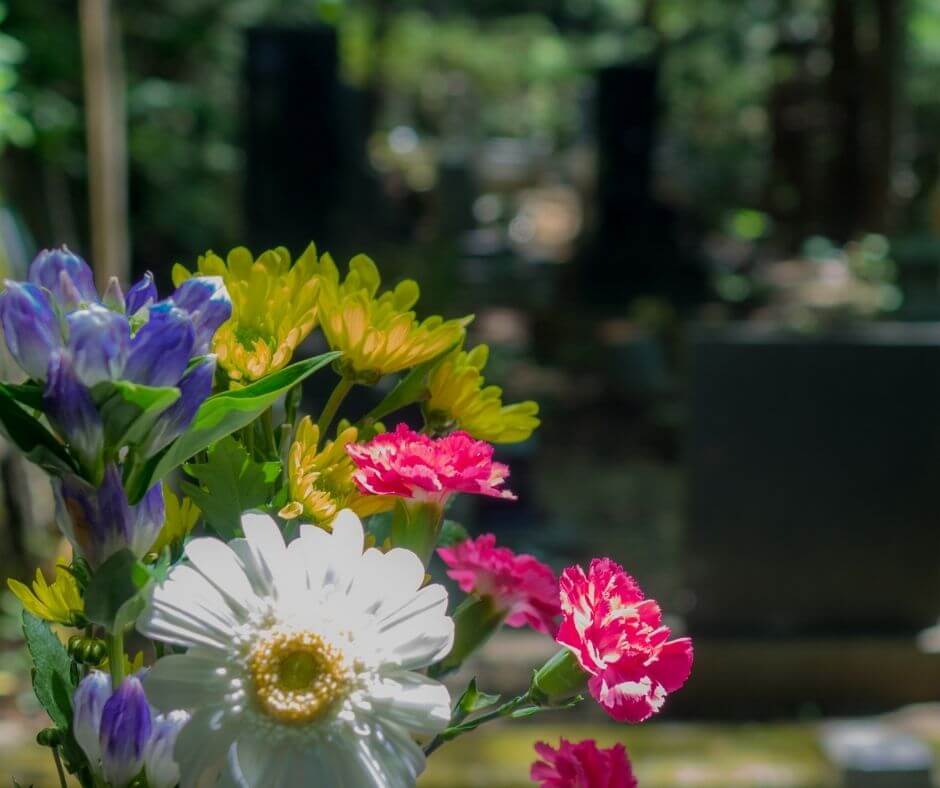
春分の日には、多くの人がお墓に行きます。そして、家族でご先祖さま(亡くなった家族の人)にあいさつをします。お花やお線香を持って行く人も多いです。「いつもありがとうございます」と気持ちを伝えます。
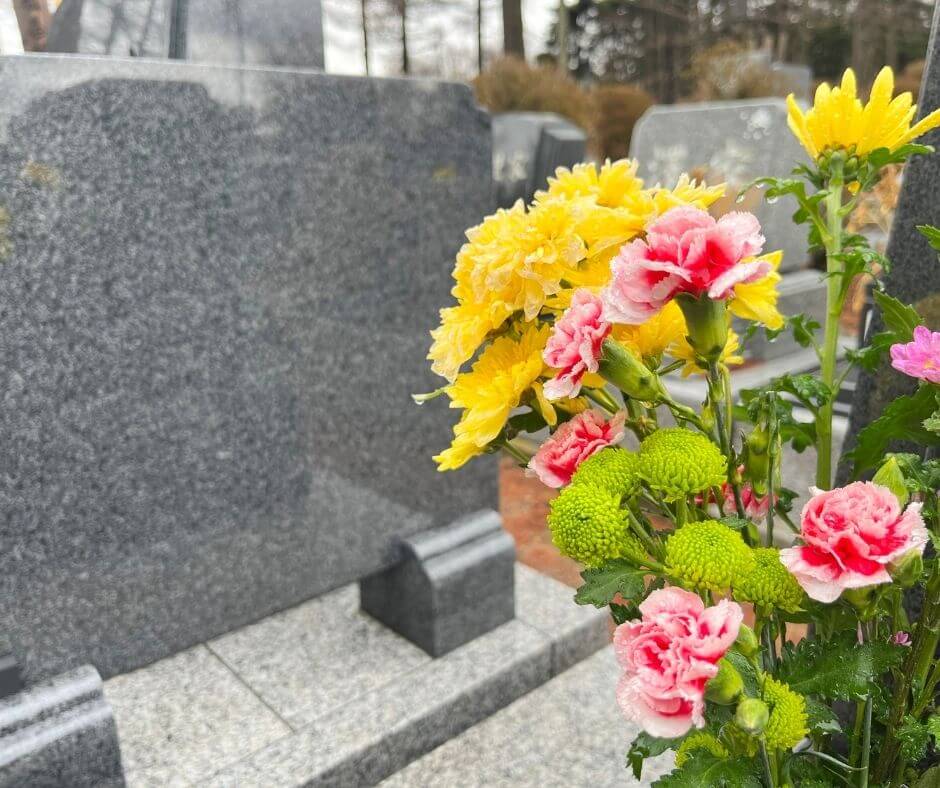
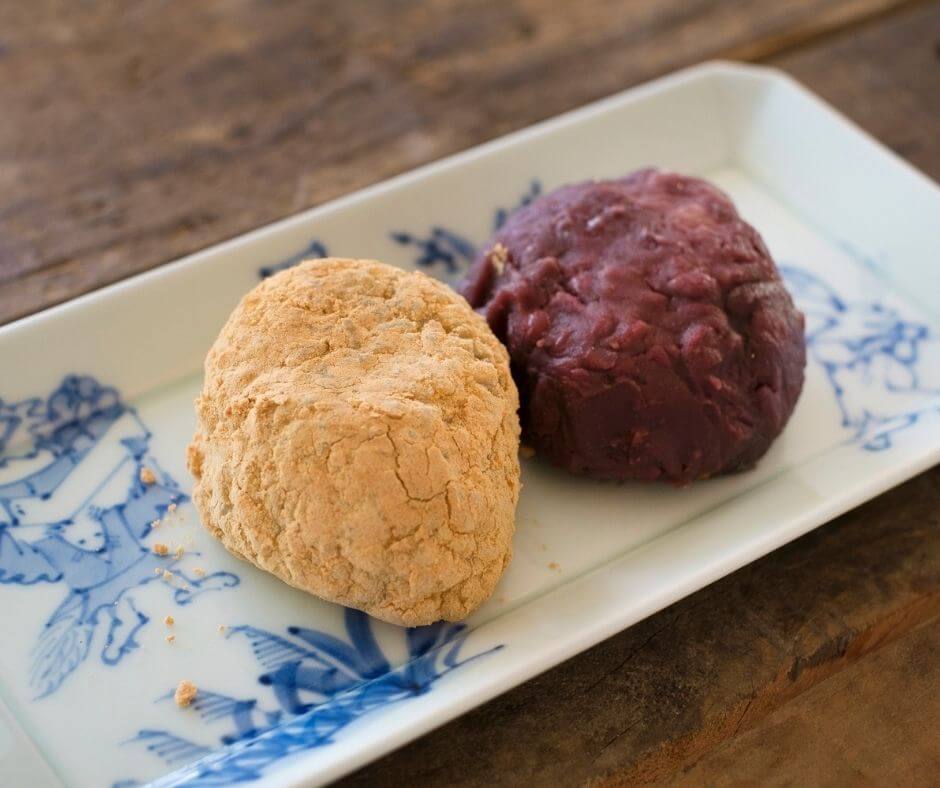
この、家族でお墓に行く時期を「お彼岸」といいます。春分の日の前と後、3日ずつ、全部で7日間あります。この間に、お墓まいり(お墓に行くこと)をする人が多いです🙏そしてお彼岸には「ぼたもち」を食べることがあります。甘くておいしいおもちで、あんこがあります😊
春分の日は、春の始まりを感じるだけじゃなくて家族と一緒に過ごす大切な日です。私は家族から遠いところに住んでいますが、来週家族に会いに行くつもりです🥹みなさんも春を楽しんでくださいね 🌸
【English Translation】
Yesterday, March 20th was “Shunbun no Hi” (Vernal Equinox Day). It’s a national holiday in Japan. It usually falls on around March 20th or 21st each year. On this day, the length of the day and night is almost the same. From here, it gradually gets warmer, and I’m excited for spring to arrive.
On Shunbun no Hi, many people go to visit graves. Families gather and pay their respects to their ancestors (family members who have passed away). Many people bring flowers and incense. They express their feelings by saying things like, “Thank you for everything.”
This period when families visit graves is called “Ohigan.” It lasts for seven days in total. Three days before and three days after Shunbun no Hi. During this time, many people visit graves. Also, during Ohigan, people sometimes eat “botamochi.” It’s a sweet rice cake covered with red bean paste, and it’s very delicious.
Shunbun no Hi is not only a time to feel the beginning of spring, but also an important day to spend with family. I live far away from my family, but I’m planning to go see them next week. I hope you all enjoy the spring season too.
【Vocabulary List】
春分(しゅんぶん)の日 – Spring Equinox Day
祝日(しゅくじつ) – national holiday
毎年(まいとし) – every year
大体(だいたい) – about / roughly
昼(ひる) – daytime
夜(よる) – night
長(なが)さ – length
ほとんど – almost
同(おな)じ – same
だんだん – gradually
暖(あたた)かい – warm
春(はる) – spring
来(く)る – to come
楽(たの)しみ – looking forward to
多(おお)くの – many
人(ひと) – person
お墓(はか) – grave
行(い)く – to go
家族(かぞく) – family
亡(な)くなった – passed away
あいさつする – to greet
お花(はな) – flowers
お線香(せんこう) – incense
持(も)って行(い)く – to take (something)
気持(きも)ち – feeling
伝(つた)える – to convey
時期(じき) – period / season
お彼岸(ひがん) – Buddhist equinox week
前(まえ) – before
後(あと) – after
全部(ぜんぶ)で – in total
食(た)べる – to eat
甘(あま)い – sweet
おもち – rice cake
あんこ – red bean paste
始(はじ)まり – beginning
感(かん)じる – to feel
一緒(いっしょ)に – together
大切(たいせつ) – important
住(す)む – to live
遠(とお)い – far
ところ – place
来週(らいしゅう) – next week
会(あ)いに行(い)く – to go meet
Verb (short form) + つもり – plan to, intend to
みなさん – everyone
楽(たの)しむ – to enjoy
If you want to learn Japanese, improve your skills, or connect with native speakers and other learners, we can help. We offer one-on-one lessons, group courses and a supportive community!
Website: nihongonana.com
Email: support@nihongonana.com
✅Private Lesson: NihongoNana Private Lessons
✅Group Courses: NihongoNana Courses
✅Online Community: NihongoNana Community
Recent Posts
-

日本のトイレ – The Unique…
April 13, 2026
-
Are You Confused with…
April 11, 2026
-

ジブリ作品 – Best Studio…
April 10, 2026
-

Japanese Money Terms You…
April 9, 2026
-

ゲームセンター – The Fascinating…
April 8, 2026
Leave Comment