
 June 19, 2026
 No Comments
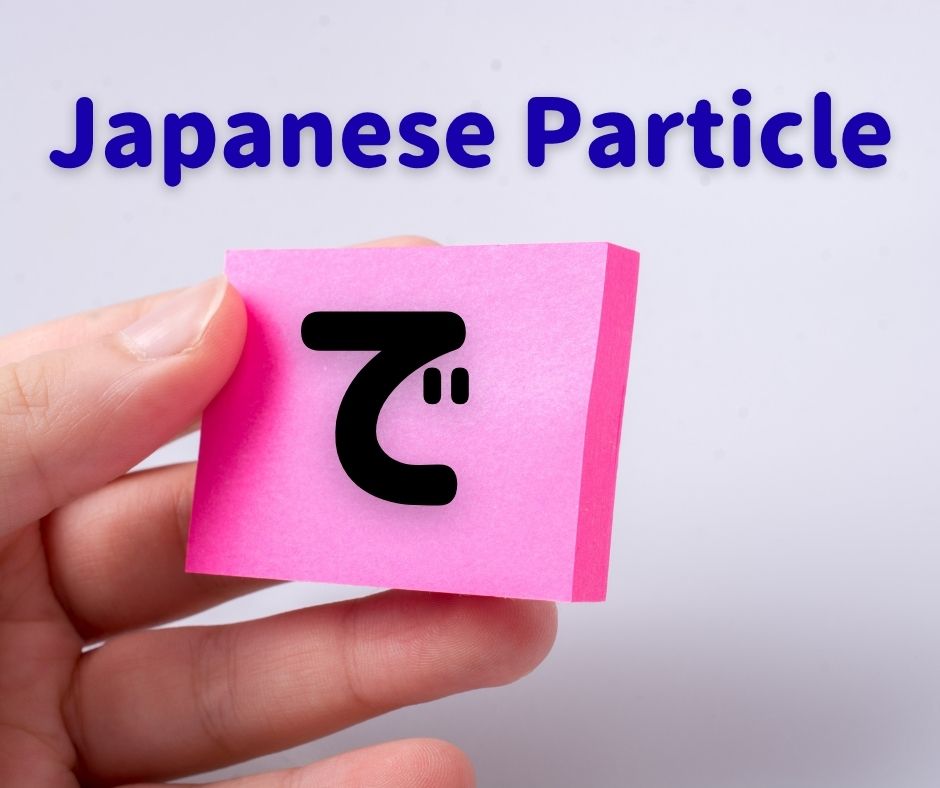
How to Use で for Location, Means, Cause, and More
If you’ve just started learning Japanese, you’ve probably seen the particle で translated as “at” or “in.” While that can be helpful at first, it’s only part of the story.
The Japanese particle で has many uses, and translating it directly into English can sometimes be confusing. Instead of memorizing a single meaning, think of で as a particle that shows the context, method, or situation in which an action happens.
Let’s explore the most common uses of で with easy examples.
1. Location of an Action
One of the first uses learners encounter is using で to mark the place where an action happens.
Structure:
Place + で + action verb
Examples
- 学校で勉強します。
→ I study at school. - レストランで食べます。
→ I eat at a restaurant. - 公園で遊びます。
→ I play in the park.
Remember: で is used when an action takes place somewhere.
Compare these two particles:
- 公園で遊びます。→ I play in the park.
- 公園にいます。→ I am in the park.
で marks where an action happens, while に marks where something or someone exists.
2. Means or Tools
Use で to show the method, tool, or instrument used to do something.
Structure:
Tool/Method + で + action verb
Examples
- はしで食べます。
→ I eat with chopsticks. - 日本語で話します。
→ I speak in Japanese. - 電車で行きます。
→ I go by train.
A useful question to ask yourself is: “How do I do this action?” The answer is often marked by で.
3. Cause or Reason
The particle で can also express a cause or reason, especially when referring to natural events, accidents, illnesses, or circumstances.
Examples
- 病気で学校を休みました。
→ I missed school because of illness. - 雨で試合が中止になりました。
→ The game was canceled because of rain. - 事故で電車が遅れました。
→ The train was delayed because of an accident.
For personal opinions or explanations, Japanese often uses から or ので instead.
- 疲れたので、早く寝ます。
→ I’m going to bed early because I’m tired.
4. Materials or Ingredients
Use で to indicate what something is made from.
Examples
- この机は木でできています。
→ This desk is made of wood. - 紙で箱を作りました。
→ I made a box from paper. - 豆腐は大豆でできています。
→ Tofu is made from soybeans.
5. Limits or Quantity
The particle で can indicate a limit, amount, or total quantity.
Examples
- これで終わりです。
→ That’s all. - 500円で買えます。
→ You can buy it for 500 yen. - 三人で旅行します。
→ Three people are going on the trip together.
In these examples, で shows the amount, cost, or group involved.
A Simple Way to Remember で
Instead of memorizing several separate meanings, remember this idea:
で shows the setting, means, cause, or conditions under which an action happens.
Ask yourself these questions:
- Where does the action happen?
- How is the action done?
- What caused the action?
- What is it made from?
- Under what conditions does it happen?
If you can answer one of these questions, there’s a good chance you’ll need で.
Common Mistakes with で
❌ スーパーに買い物します。
✅ スーパーで買い物します。
You shop at the supermarket, so use で.
❌ バスに行きます。
✅ バスで行きます。
Use で to show transportation.
❌ 図書館でいます。
✅ 図書館にいます。
Use に for existence, not actions.
Final Thoughts
The particle で is one of the most versatile particles in Japanese. While it’s often introduced as meaning “at” or “in,” its real function is much broader.
Focus on the role it plays rather than trying to translate it directly. As you encounter more examples, you’ll start to recognize the patterns naturally.
The next time you see で, ask yourself:
“What is the action’s context?”
The answer will help you understand why で is used.
If you want to learn Japanese, improve your skills, or connect with native speakers and other learners, we can help. We offer one-on-one lessons and a supportive community!
Website: nihongonana.com
Email: support@nihongonana.com
✅Private Lesson: NihongoNana Private Lessons
✅Online Community: NihongoNana Community
Recent Posts
-

The Fascinating World of…
October 7, 2026
-
違う or 異なる? How…
October 6, 2026
-

3 Amazing Bookstores You…
October 5, 2026
-

Say “No” Like a…
October 3, 2026
-

Asian Games 2026: A…
October 2, 2026
Leave Comment