
 October 24, 2024
 No Comments

Japanese Honorifics: When to Use Them and Their Nuances
Japanese honorifics indicate social relationships and respect levels. Common ones include さん (-san) for politeness, くん (-kun) for boys or junior males, and ちゃん (-chan) for close friends [...]
Read More
- October 23, 2024
- No Comments

日本での掃除の習慣 – Cleaning Habits in Japan
In Japan, cleaning is highly valued at school, home, and work. It fosters responsibility, teamwork, and family bonds. The year-end cleaning tradition, "Oosouji," and workplace cleaning improve [...]
Read More
- October 22, 2024
- No Comments
How to Say “I want to~, I want” in Japanese : ~たい, ~ほしい
This blog explains how to express desires in Japanese using 〜たい (for wanting to do something) and 〜ほしい (for wanting something). It covers forming these expressions, their usage in senten [...]
Read More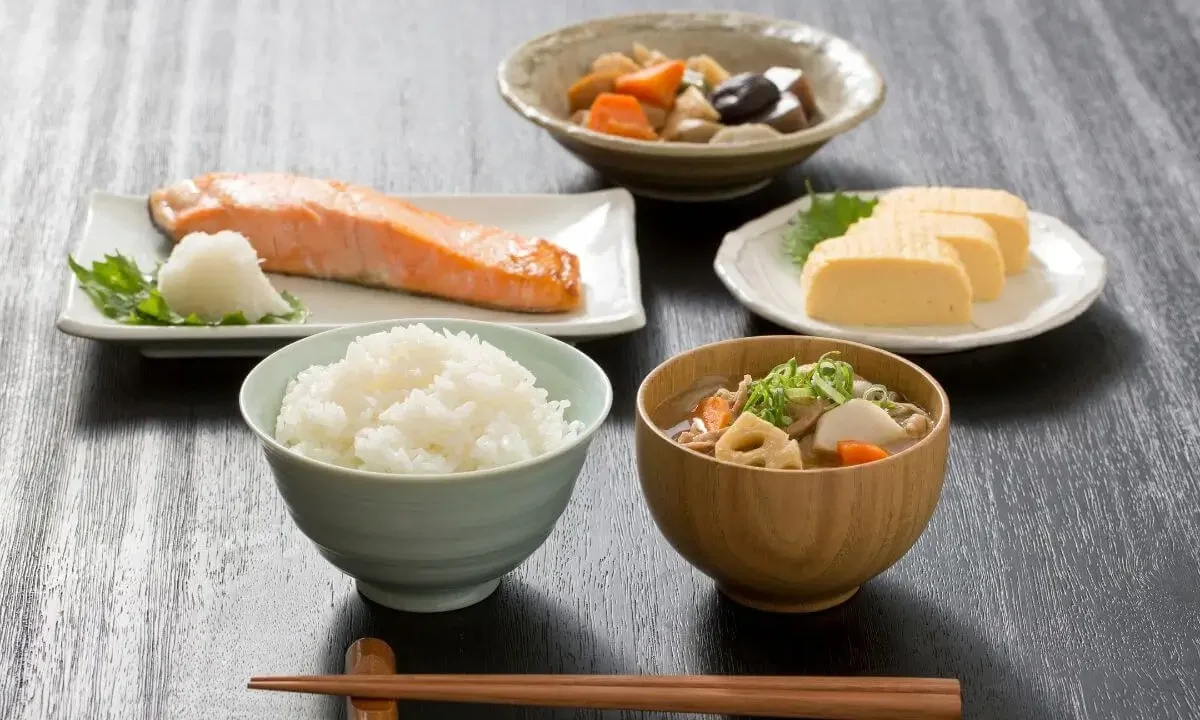
- October 21, 2024
- No Comments
日本の伝統的な朝ごはん – Traditional Japanese Breakfast
A traditional Japanese breakfast is healthy and well-balanced, consisting of rice, miso soup, grilled fish, pickles, tamagoyaki, and natto. It provides essential nutrients and energy for the da [...]
Read More
- October 19, 2024
- No Comments
日本のハロウィン – Halloween in Japan
Halloween in Japan is popular but lacks "trick-or-treating." In Shibuya, people dress up, gather, and have fun. Convenience stores sell Halloween sweets, and theme parks hold special events. Ac [...]
Read More
- October 17, 2024
- No Comments
The Difference Between 覚える and 思い出す : “Remember” in Japanese
The difference between 覚える (oboeru) and 思い出す (omoidasu), which both mean "remember" in Japanese. 覚える means to learn or memorize new information, while 思い出す means to recall somethi [...]
Read MoreRecent Posts
-

Ways to Say “Comfortable”…
April 7, 2026
-

フルーツパーク – Unique Tropical…
April 6, 2026
-

有名 vs 人気 Made…
April 4, 2026
-

在宅勤務 – The Truth…
April 3, 2026
-

The Most Confusing Japanese…
April 2, 2026