
 April 3, 2026
 No Comments
在宅勤務 – The Truth About Remote Work in Japan
日本では、在宅勤務=家で仕事をする人が少しずつ増えています💻とくに、コロナのあと、会社はいろいろな新しい働き方を考えるようになりました💭でも、毎日在宅勤務をする人はまだ少ないです。多くの会社は、週に1〜3日だけ在宅勤務で、ほかの日は会社に行く「ハイブリッドスタイル」が多いです!

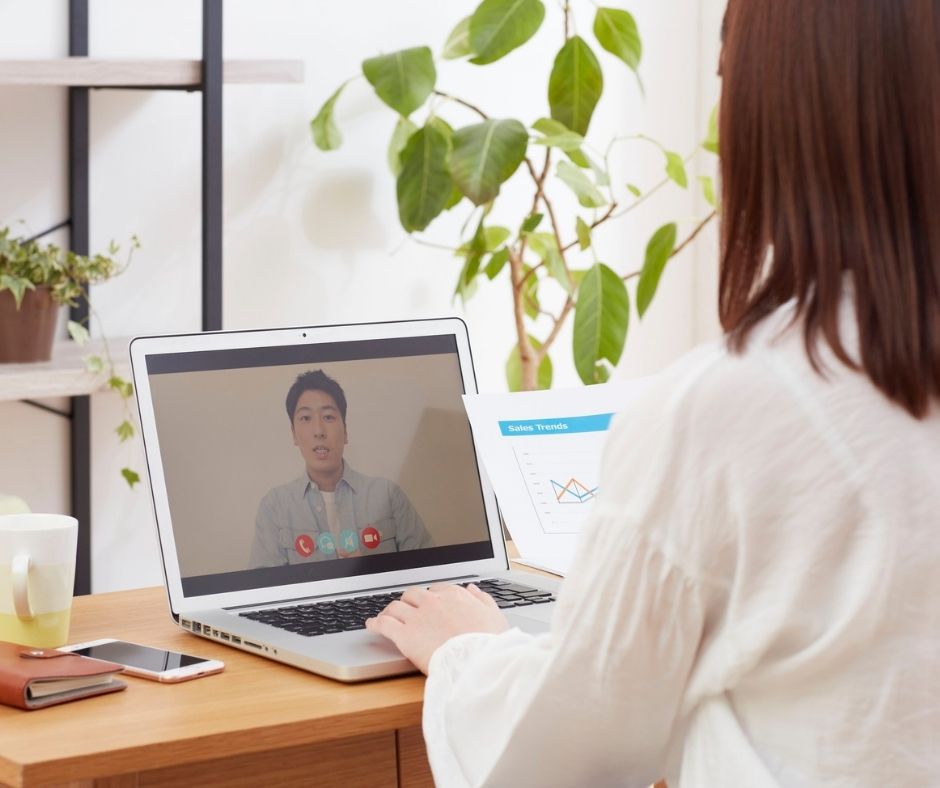
在宅勤務のいいところは、通勤がないのでとても楽ですね!毎日電車に乗らなくてもいいし、車で通勤する人も渋滞に困りません🚗そして、自分の時間を大切にできます😌通勤の時間や休み時間を、家のことや好きなことに使うことができます🕐
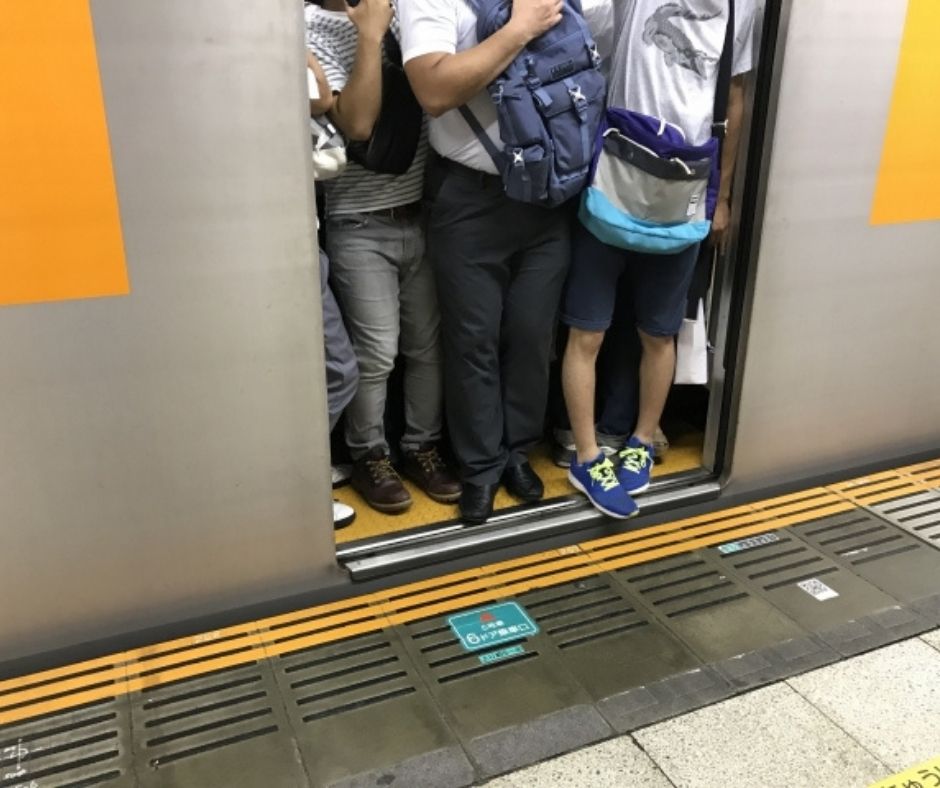
でも、大変なこともあります😥たとえば、同僚と直接会って話す時間が少なくなります。メールや電話だけだと、コミュニケーションをとるのがむずかしくなります📱また、仕事と休みの区別がむずかしいです🔁オンとオフの切り替えがちょっと大変ですね😭
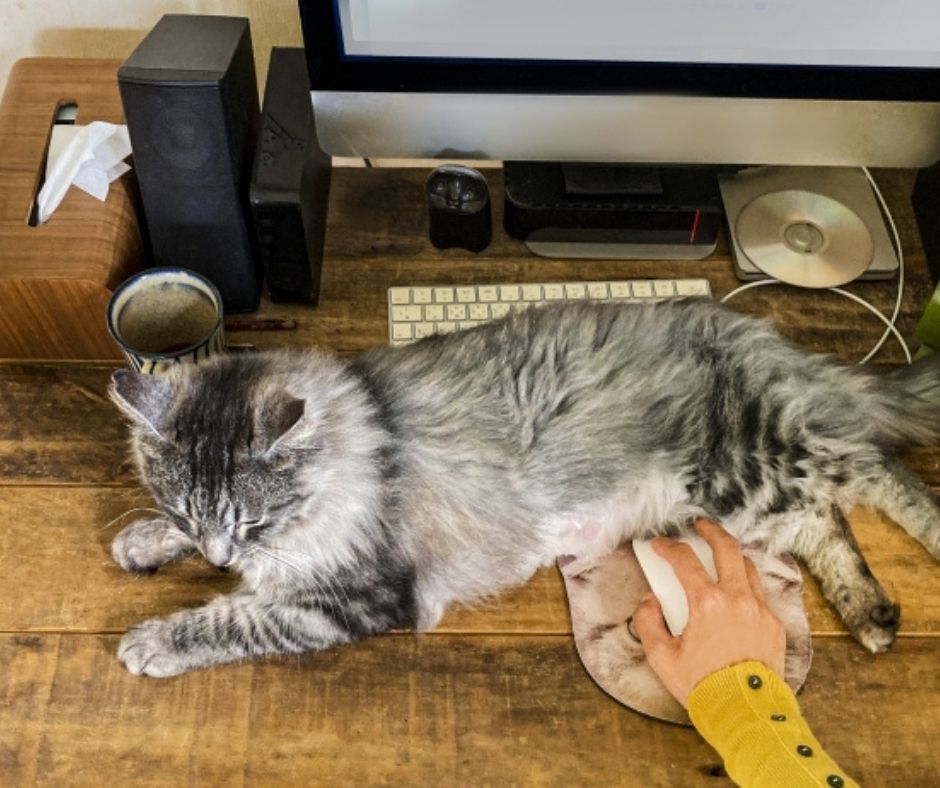
私も前に大学で働いていたとき、コロナで在宅勤務が始まりました。自分の時間が増えて、私には合っている働き方だと思いました💡でも、猫を飼っているので、パソコンや資料の上で寝てしまって、仕事がちょっと大変なときもありました🐱(かわいいですけど😊)
在宅勤務はとても便利ですが、日本ではまだ新しい働き方です。これから、もっと自由な働き方が増えるかもしれませんね🤓
みなさんの国では、在宅勤務はよくありますか?どんな働き方が好きですか?

【English Translation】
In Japan, the number of people working from home is gradually increasing. Especially after COVID, companies began to think about new ways of working. However, there are still not many people who work from home every day. In many companies, a “hybrid style” is common, where people work from home only 1 to 3 days a week and go to the office on the other days.
One of the good things about working from home is that there is no commute, so it is very comfortable. You don’t have to take the train every day, and people who commute by car don’t have to deal with traffic jams. Also, you can make better use of your time. You can use commuting time or break time for housework or things you enjoy.
However, there are also some challenges. For example, you have fewer chances to meet and talk with coworkers in person. It can be harder to communicate when you only use email or phone. Also, it can be difficult to separate work and rest. Switching between “on” and “off” can be a bit challenging.
When I was working at a university before, remote work started because of COVID. I had more free time, and I felt that this way of working suited me well. However, since I have a cat, it sometimes slept on my computer or documents, which made working a bit difficult. (It was cute though!)
Working from home is very convenient, but it is still a relatively new way of working in Japan. In the future, more flexible work styles may become common.
How about in your country? Is working from home common? What kind of work style do you prefer?
【Vocabulary List】
在宅勤務(ざいたくきんむ) – working from home / remote work
少しずつ(すこしずつ) – little by little
増える(ふえる) – to increase
会社(かいしゃ) – company
新しい(あたらしい) – new
働き方(はたらきかた) – way of working
考える(かんがえる) – to think
多く(おおく) – many
ほか – other
いいところ – good point / advantage
通勤(つうきん) – commuting
電車(でんしゃ) – train
乗る(のる) – to ride
車(くるま) – car
通勤する(つうきんする) – to commute
渋滞(じゅうたい) – traffic jam
困る(こまる) – to be troubled
時間(じかん) – time
大切(たいせつ) – important
使う(つかう) – to use
家のこと(いえのこと) – housework
大変(たいへん) – difficult / tough
たとえば – for example
同僚(どうりょう) – coworker
直接(ちょくせつ) – directly
少ない(すくない) – few / little
電話(でんわ) – phone
むずかしい – difficult
区別(くべつ) – distinction
切り替え(きりかえ) – switching
前(まえ) – before
大学(だいがく) – university
働く(はたらく) – to work
始まる(はじまる) – to start
自分(じぶん) – oneself
合う(あう) – to suit
思う(おもう) – to think
猫(ねこ) – cat
飼う(かう) – to keep (a pet)
資料(しりょう) – documents
便利(べんり) – convenient
これから – from now on
自由(じゆう) – freedom / flexible
増える(ふえる) – to increase
If you want to learn Japanese, improve your skills, or connect with native speakers and other learners, we can help. We offer one-on-one lessons, a supportive community, and on demand courses.
Website: nihongonana.com
Email: support@nihongonana.com
✅Book 1-on-1 lessons: https://nihongonana.com/lessons/
✅Join our community: https://nihongonana.com/community/
✅Access courses: https://nihongonana.com/courses/
Recent Posts
-
在宅勤務 – The Truth…
April 3, 2026
-

The Most Confusing Japanese…
April 2, 2026
-

雑談 – How to…
April 1, 2026
-

年度末 : Busiest Important…
March 31, 2026
-

How to Say “At…
March 30, 2026
Leave Comment