

 December 11, 2025
 No Comments
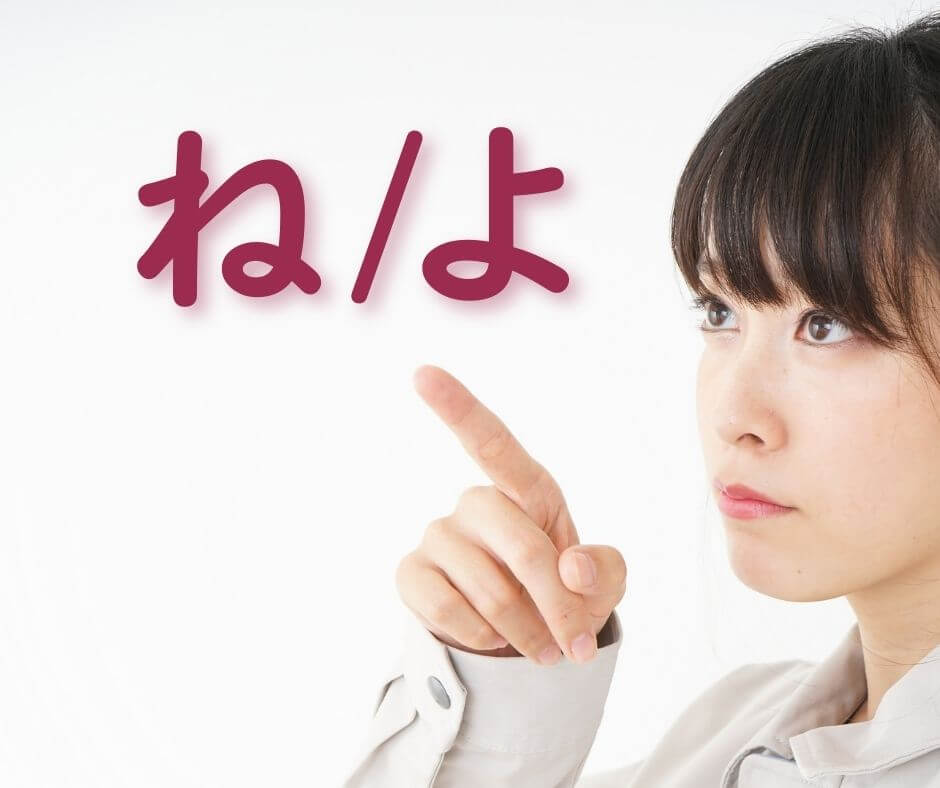
Sentence Ending Particles ね, よ, and よね – Make Your Japanese Sound Natural
Sentence-ending particles are small, but they completely change the feeling of your Japanese. Today, let’s look at three of the most common ones: ね, よ, and よね. You’ll hear them constantly in daily conversations, and mastering them will make your Japanese sound much more natural and friendly
1. Particle ね – “Right?” / “Isn’t it?” / Shared Feeling
ね is used when you want to:
- seek agreement
- share a feeling or reaction
- say something softly or gently
It makes your sentence more friendly and conversational.
Examples
- 今日は寒いね。
- It’s cold today, isn’t it?
- このケーキ、おいしいね!
- This cake is delicious, right!
- 明日、早く起きないといけないね。
- We have to wake up early tomorrow, huh.
2. Particle よ – Giving Information / Emphasis
よ adds emphasis and confidence. You use it when you want to:
- provide new information
- correct the listener
- say something firmly or clearly
Examples
- そのレストラン、すごく人気だよ。
- That restaurant is really popular, you know.
- 明日は休みだよ。
- Tomorrow is a day off!
- ここは入っちゃダメだよ。
- You can’t enter here.
Depending on tone, よ can sound strong, but in casual conversation it’s completely natural.
3. Particle よね – “You know, right?”
よね combines the functions of both よ (giving information) and ね (seeking agreement).
Use よね when you believe something is correct and want the listener to confirm.
Examples
- この映画、面白かったよね?
- This movie was fun, right?
- さっき先生、来るって言ってたよね。
- The teacher said they were coming, right?
- 明日9時からだったよね?
- It was from 9 tomorrow, right?
Quick Comparison
| Particle | Feeling / Function | Example Meaning |
|---|---|---|
| ね | Soft agreement, shared feeling | It’s cold, isn’t it? |
| よ | Stronger statement, giving info | It is cold, you know. |
| よね | Confirming what you think is true | It was cold, right? |
Mini Conversation Example #1
A: このカフェ、静かでいいね。
This café is nice and quiet, isn’t it?
B: うん、コーヒーもおいしいよ。
Yeah, and the coffee is good too.
A: また来たいよね。
We want to come again, right?
Mini Conversation Example #2
A: 明日、花見に行くんだよね?
We’re going to see the cherry blossoms tomorrow, right?
B: うん、10時に駅で待ち合わせだよ。
Yeah, we’re meeting at the station at 10.
A: 天気もよさそうだね。
Looks like the weather will be nice, huh.
B: ね!お弁当も作っていくよ。
Yeah! I’ll make a bento too, you know.
A: えっ、ほんと?助かるよ。
Really? That really helps.
Mastering ね, よ, and よね will instantly make your Japanese sound more natural and expressive. These tiny particles help you show emotion, connect with people, and communicate smoothly in everyday conversations. Try listening for them in dramas, YouTube videos, and real-life conversations—you’ll notice them everywhere!
Try adding one or two of these into your conversations each week!
If you want to learn Japanese, improve your skills, or connect with native speakers and other learners, we can help. We offer one-on-one lessons, a supportive community, and on demand courses.
Website: nihongonana.com
Email: support@nihongonana.com
✅Book 1-on-1 lessons: https://nihongonana.com/lessons/
✅Join our Speaking Club: https://nihongonana.com/community/
✅Join our Course Waitlist: https://nihongonana.com/courses/
Recent Posts
-

Japanese School System and…
October 12, 2026
-

6 Beautiful Japanese Phrases…
October 10, 2026
-

The Japanese Custom That…
October 9, 2026
-

How to Say “Maybe”…
October 8, 2026
-

The Fascinating World of…
October 7, 2026
Leave Comment