
 January 26, 2026
 No Comments
How to Use の: One Particle, Many Meanings
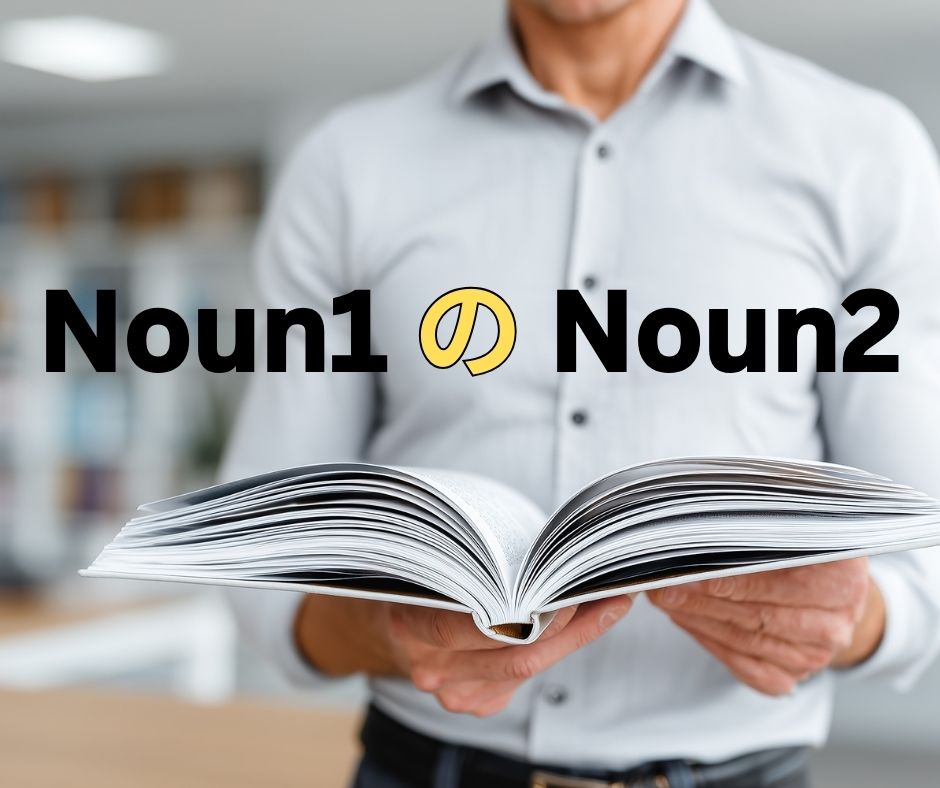
One of the very first grammar patterns you learn in Japanese is Noun1 の Noun2. It looks simple—and it is!—but it’s also incredibly powerful. This single particle の (no) can show possession, description, relationship, and more.
Let’s break it down step by step 👇
🌱 What Does 「の」Do?
The particle の connects two nouns.
Noun1 の Noun2
Think of it as:
- “Noun2 of Noun1”
- or “Noun1’s Noun2”
Depending on context, の can show ownership, belonging, or what kind of thing something is.
👜 1. Basic Possession (Who Owns It?)
This is the most common and easiest use.
🔹 Pattern
Owner + の + Thing
🔹 Examples
- わたしのかばん
my bag - 田中さんのくるま
Tanaka-san’s car - ねこのおもちゃ
the cat’s toy
Here, Noun1 clearly shows who owns or who it belongs to.
🏷️ 2. Description (What Kind? What Type?)
「の」 is also used when Noun1 describes Noun2—not ownership, but category, type, or content.
🔹 Examples
- にほんのぶんか
Japanese culture - えいごのほん
an English book - 木のテーブル
a wooden table
In these cases, no one owns the thing. Instead, Noun1 explains what kind of Noun2 it is.
👨👩👧 3. Relationship Between People
「の」 can also show relationships.
🔹 Examples
- わたしのともだち
my friend - 山田さんのいもうと
Yamada-san’s younger sister - ジョンさんのせんせい
John’s teacher
This works even when there’s no physical object involved.
🗺️ 4. Place or Group Association
「の」 often shows where something belongs or comes from.
🔹 Examples
- とうきょうのだいがく
a university in Tokyo - にほんのかいしゃ
a Japanese company - このクラスのがくせい
students of this class
⚠️ Common Beginner Mistakes
❌ Using 「の」 with adjectives
You cannot replace adjectives with 「の」.
- ❌ きれいのはな
- ✅ きれいなはな
「の」 connects nouns, not adjectives.
🔑 Important Key Point: Noun Order Matters
In Noun1 の Noun2, the order is very important.
- Noun1 = restriction / modifier (extra information)
- Noun2 = main idea (what you are really talking about)
👉 You cannot swap Noun1 and Noun2.
❌ Incorrect
- おかあさんのわたし
(This sounds unnatural and changes the meaning.)
✅ Correct
- わたしのおかあさん
Here, おかあさん is the main idea, and わたしの limits which mother we mean.
📝 Example Sentence
- わたしのおかあさんは、こうこうのせんせいです。
My mother is a high school teacher.
In this sentence:
- わたしの → restriction (which mother)
- おかあさん → main noun
- こうこうの → restriction (what kind of school)
- せんせい → main noun
✨ Key Takeaway
The structure Noun1 の Noun2 is incredibly flexible:
- Ownership: わたしのほん
- Description/type: にほんのたべもの
- Relationships: ともだちのおとうさん
- Belonging/association: NihongoNanaのせんせい
If you master 「の」, your Japanese sentences will instantly become more natural and detailed.
💬 Try It Yourself!
How would you say these in Japanese?
- my older brother
- a book about history
- a Japanese movie
Simple grammar, huge impact—の is truly a beginner’s best friend 🌸
If you want to learn Japanese, improve your skills, or connect with native speakers and other learners, we can help. We offer one-on-one lessons, a supportive community, and on demand courses.
Website: nihongonana.com
Email: support@nihongonana.com
✅Book 1-on-1 lessons: https://nihongonana.com/lessons/
✅Join our Speaking Club: https://nihongonana.com/community/
✅Join our Course Waitlist: https://nihongonana.com/courses/
Recent Posts
-
Shopping at MUJI Japan:…
October 14, 2026
-

Japanese School System and…
October 12, 2026
-

6 Beautiful Japanese Phrases…
October 10, 2026
-
The Japanese Custom That…
October 9, 2026
-

How to Say “Maybe”…
October 8, 2026
Leave Comment