

 February 16, 2026
 No Comments
The Simple Word That Makes Your Japanese Sound Real
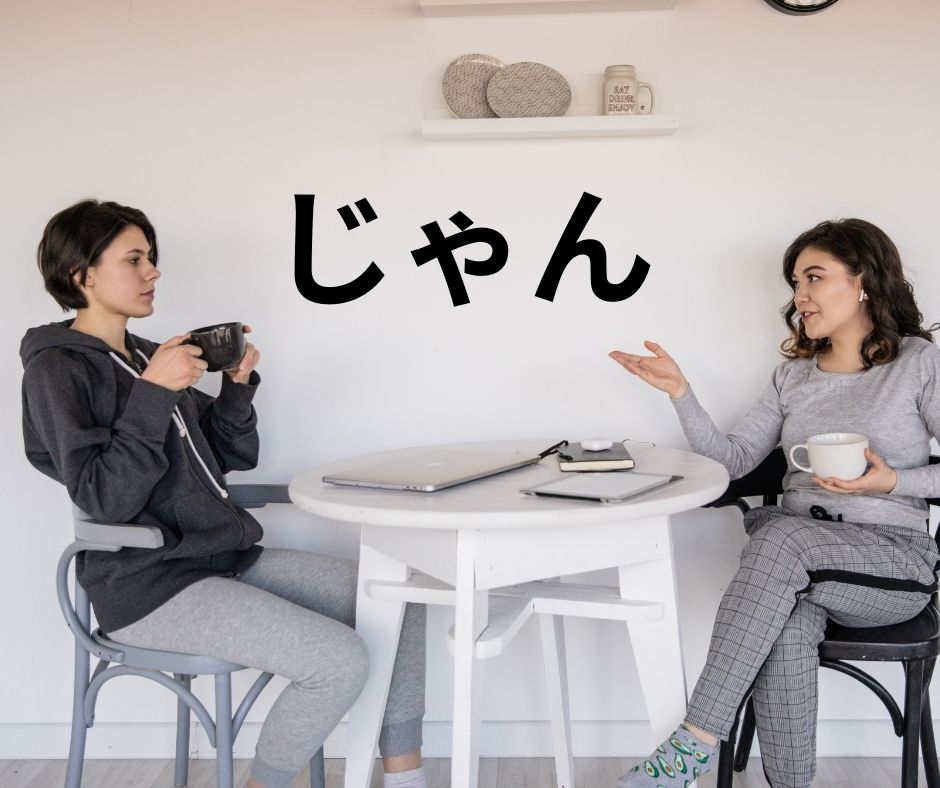
If you watch Japanese dramas, YouTube, or talk with friends in Japan, you’ll hear じゃん all the time.
It’s short.
It’s casual.
And it carries a lot of emotional nuance.
So what does it actually mean?
At its core, じゃん adds a feeling like:
- “Right?”
- “Isn’t it?”
- “See?”
- “You know.”
But the nuance changes depending on the situation.
Let’s look at the main ways it’s used.
1️⃣ Confirmation (Isn’t it? / Right?)
This is the most common usage.
It’s often used when the speaker assumes the listener agrees.
Example:
今日、めっちゃいい天気じゃん。
It’s such nice weather today, isn’t it?
You’re not really asking.
You’re saying, “You know it’s such nice weather.”
Another one:
これ、めっちゃおいしいじゃん!
This is super good, right?!
It creates a shared feeling.
2️⃣ Annoyance (I Told You / See?)
This one sometimes has a bit of attitude (playful or slightly annoyed).
Example:
言ったじゃん!
I told you!
You said it before. They didn’t listen. Now you’re reminding them.
Or:
だからダメだって言ったじゃん。
See? I said it wouldn’t work.
It carries that “I warned you” vibe.
The tone can be teasing… or slightly annoyed.
It depends on how you say it.
3️⃣ Surprise / Unexpected Reaction
じゃん is also used to express surprise or when something is different from what you expected.
Examples:
え、この映画めっちゃ面白いじゃん!
Wow, this movie is really interesting!
思ったより簡単じゃん。
It’s easier than I thought!
Here, じゃん expresses emotional reaction or mild surprise.
4️⃣ Agreement / Praise (~だね / すごいね)
You can use じゃん to agree with someone or compliment them.
It feels friendly and positive.
Examples:
そのアイデア、いいじゃん!
That idea is great!
今日のスタメン、最高じゃん!
Today’s starting lineup is amazing!
It adds enthusiasm and approval.
5️⃣ Reminding Someone of a Past Fact
This usage often has a slightly teasing or annoyed tone.
It’s used when the other person forgot something or should already know.
Examples:
この前、カフェ行ったじゃん。あそこのカフェオレまた飲みたい!
We went to that café the other day, remember? I want that café au lait again!
それ、前にも話したじゃん?
We talked about that before, remember?
It carries the nuance of:
“You knew this already.”
💬 Mini Dialogue Using じゃん
A: 今日、めっちゃいい天気じゃん!
(It’s such nice weather today, right?!)
B: ね!昨日あんなに雨だったのに。
(I know! Even though it rained so much yesterday.)
A: どこか行こうよ!
(Let’s go somewhere!)
B: この前、行った公園あるじゃん?あそこはどう?
(You know the park we went to the other day? How about there?)
A: いいね!そこに行こう!
(Sounds good! Let’s go there!)
B: あ…洗濯するの忘れてた。
(Oh… I forgot to do the laundry.)
A: 朝、洗濯しといてって言ったじゃん。
(I told you this morning to do the laundry.)
B: ごめん…。洗濯してから出かけよう。
(Sorry… Let’s do the laundry first and then go.)
Final Thought
じゃん isn’t just grammar.
It expresses shared understanding, surprise, praise, attitude, or reminder — all in one small word.
If you want your Japanese to sound more natural and conversational, mastering じゃん makes a big difference.
Next time you hear it, listen carefully — the tone tells you everything.
If you want to learn Japanese, improve your skills, or connect with native speakers and other learners, we can help. We offer one-on-one lessons, a supportive community, and on demand courses.
Website: nihongonana.com
Email: support@nihongonana.com
✅Book 1-on-1 lessons: https://nihongonana.com/lessons/
✅Join our Speaking Club: https://nihongonana.com/community/
✅Join our Course Waitlist: https://nihongonana.com/courses/
Recent Posts
-

Best Burgers in Japan:…
October 22, 2026
-

Useful Japanese Expressions for…
October 21, 2026
-

What Is a Hanko?…
October 20, 2026
-

How to Express “In…
October 19, 2026
-

Izakaya Culture in Japan:…
October 17, 2026
Leave Comment