
 July 29, 2026
 No Comments
The Japanese Bathroom Words You Need to Know
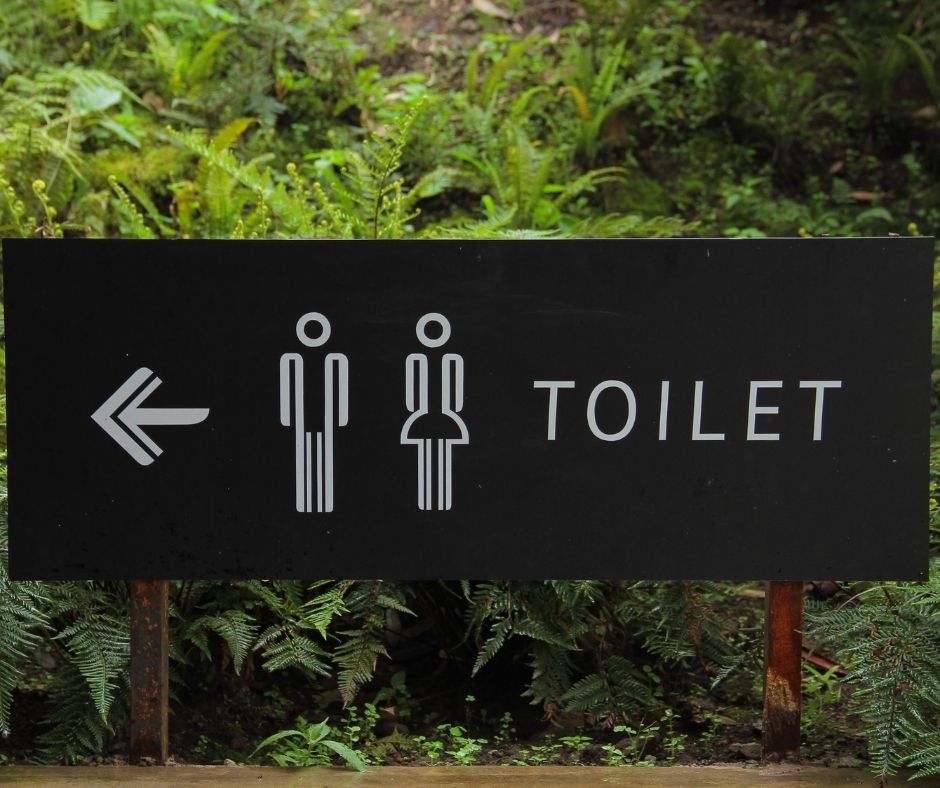
If you’re learning Japanese, you’ve probably learned トイレ (toire) as “bathroom.” While this is the most common word, it’s not the only one you’ll hear.
Depending on the situation, Japanese has several different ways to refer to the bathroom or restroom. Let’s look at the most common ones.
1. トイレ
Meaning: Bathroom / Restroom / Toilet
This is the standard word you’ll hear almost everywhere in Japan. It’s appropriate in both casual and polite situations.
Examples:
- トイレはどこですか。
Where is the bathroom? - トイレに行ってきます。
I’m going to the bathroom.
If you’re traveling in Japan, this is the safest word to use.
2. お手洗い(おてあらい)
Meaning: Restroom (polite)
お手洗い(おてあらい) literally means “hand-washing place,” but it’s commonly used as a polite way to say “restroom.”
You’ll often see this word on signs in restaurants, hotels, department stores, and other formal places.
Examples:
- お手洗いはあちらです。
The restroom is over there. - お手洗いをお借りしてもいいですか。
May I use your restroom?
Because it sounds more refined than トイレ, many people use it when speaking politely.
3. 化粧室(けしょうしつ)
Meaning: Powder room / Restroom
化粧室(けしょうしつ) literally means “makeup room.”
Although the original meaning refers to a place to freshen up, today it usually means a restroom, especially in department stores, shopping malls, hotels, airports, and upscale restaurants.
You may see signs that say:
化粧室 →
Even though the name mentions makeup, anyone can use it.
4. WC
Many public bathrooms in Japan are marked simply as WC, which stands for Water Closet.
You’ll often see this symbol in:
- Train stations
- Shopping malls
- Hotels
- Tourist attractions
If you see “WC,” it simply means “restroom.”
5. 便所(べんじょ)
Meaning: Toilet
This is an older word that literally means “toilet.”
Although Japanese people still understand it, it sounds old-fashioned and can come across as rough or blunt in everyday conversation.
You’ll occasionally hear it from older generations or see it in historical settings, but it’s generally not recommended for learners.
Which One Should You Use?
| Japanese | Nuance | Common Situation |
|---|---|---|
| トイレ | Standard | Everyday conversation |
| お手洗い(おてあらい) | Polite | Speaking politely, restaurants, hotels |
| 化粧室(けしょうしつ) | Formal | Department stores, hotels, airports |
| WC | Sign only | Public facilities |
| 便所(べんじょ) | Old-fashioned | Rare in modern conversation |
Final Tip
If you’re unsure which word to use, トイレ is always a safe choice.
If you want to sound a little more polite—especially when asking to use someone’s bathroom—お手洗い(おてあらい) is the best option.
The next time you’re in Japan, pay attention to the restroom signs. You might spot トイレ, お手洗い(おてあらい), 化粧室(けしょうしつ), or simply WC. Knowing the difference will help you navigate Japan with confidence!
If you want to learn Japanese, improve your skills, or connect with native speakers and other learners, we can help. We offer one-on-one lessons and a supportive community!
Website: nihongonana.com
Email: support@nihongonana.com
✅Private Lesson: NihongoNana Private Lessons
✅Online Community: NihongoNana Community
Recent Posts
-

〜たい vs 〜てみたい: The…
September 23, 2026
-

Famous Japanese Watchmakers You…
September 22, 2026
-

Visiting a Hospital in…
September 21, 2026
-

What Is Silver Week…
September 19, 2026
-

ところ vs 場所: How…
September 18, 2026
Leave Comment