

 August 14, 2025
 No Comments
Turn Adjectives into Nouns with ~さ in Japanese
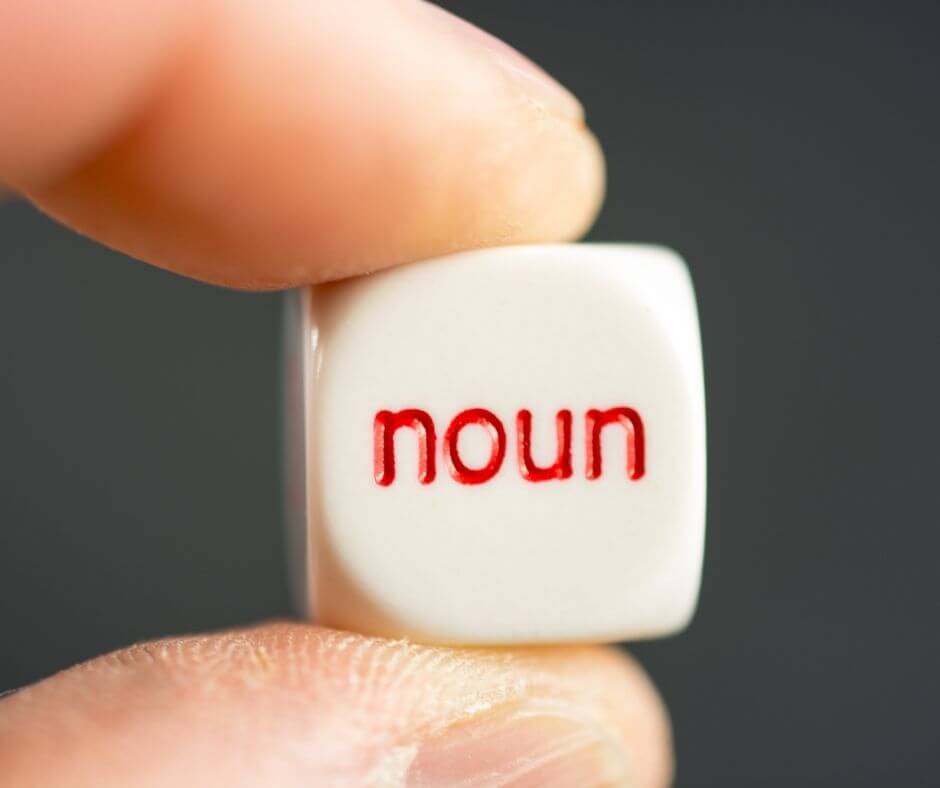
If you’ve ever wondered how to turn an adjective into a noun in Japanese, one simple and useful tool is ~さ. By adding ~さ to certain adjectives, you can express the degree, quality, or state of that adjective — basically turning “descriptive words” into “things/concepts.”
1. What Does ~さ Mean?
In English, we often use “-ness” or “-ty” to make adjectives into nouns:
- happy → happiness
- safe → safety
- kind → kindness
In Japanese, ~さ works in a similar way. It changes an i-adjective or certain na-adjectives into a noun.
2. How to Form Nouns with ~さ
For i-adjectives
- Remove the final い
- Add さ
Example:
- 高い = high → 高さ = height
- 広い = wide/spacious → 広さ = width/spaciousness
For na-adjectives
- Remove な
- Add さ
Example:
- 便利な = convenient → 便利さ = convenience
- 静かな = quiet → 静かさ = quietness
📊 Quick Reference Chart
| Adjective Type | Example Adjective | Step 1 | Step 2 | Noun Form | Meaning |
|---|---|---|---|---|---|
| i-adjective | 高(たか)い | Remove い | Add さ | 高(たか)さ | height |
| 広(ひろ)い | Remove い | Add さ | 広(ひろ)さ | spaciousness | |
| na-adjective | 便利(べんり)な | Remove な | Add さ | 便利(べんり)さ | convenience |
| 静(しず)かな | Remove な | Add さ | 静(しず)かさ | quietness |
3. Example Sentences
・i-adjective examples:
- 富士山の高さは日本で一番です。
The height of Mt. Fuji is the highest in Japan. - この部屋の広さが気に入っています。
I like the spaciousness of this room.
・na-adjective examples:
3. 日本の便利さにびっくりしました。
I was surprised by the convenience of Japan.
- この町の静かさが好きです。
I like the quietness of this town.
4. Common Adjectives You Can Turn into Nouns
| Adjective (Japanese) | Meaning | Noun Form | Meaning |
|---|---|---|---|
| 高(たか)い | high, tall | 高(たか)さ | height |
| 広(ひろ)い | wide, spacious | 広(ひろ)さ | width, spaciousness |
| 長(なが)い | long | 長(なが)さ | length |
| 明(あか)るい | bright | 明(あか)るさ | brightness |
| 新(あたら)しい | new | 新(あたら)しさ | newness |
| 静(しず)かな | quiet | 静(しず)かさ | quietness |
| 便利(べんり)な | convenient | 便利(べんり)さ | convenience |
| 大切(たいせつ)な | important | 大切(たいせつ)さ | importance |
5. When NOT to Use ~さ
Not every adjective can be turned into a noun with ~さ naturally. For feelings or states that are more subjective, Japanese often uses ~み instead (e.g., 悲しみ “sadness”).
- ~さ = measurable, objective qualities
- ~み = subjective feelings, impressions
Example:
- 高さ (objective: measurable height)
- 悲しみ (subjective: emotional sadness)
6. Quick Practice
Turn the following adjectives into noun forms with ~さ:
- 高い (たかい)
- 明るい (あかるい)
- 静かな (しずかな)
- 大切な (たいせつな)
(Answers: 高さ, 明るさ, 静かさ, 大切さ)
Key Takeaway:
Using ~さ is an easy and powerful way to talk about qualities or characteristics as “things” in Japanese. Once you learn it, you’ll start noticing it everywhere — in signs, news, conversations, and even advertisements.
If you want to learn Japanese, improve your skills, or connect with native speakers and other learners, we can help. We offer one-on-one lessons, a supportive community, and on demand courses.
Website: nihongonana.com
Email: support@nihongonana.com
✅Book 1-on-1 lessons: https://nihongonana.com/lessons/
✅Join our Speaking Club: https://nihongonana.com/community/
✅Join our Course Waitlist: https://nihongonana.com/courses/
Recent Posts
-

Why Japanese People Still…
August 25, 2026
-
Confusing Japanese Kanji Made…
August 24, 2026
-

Meet FAMIMA: FamilyMart’s New…
August 22, 2026
-

Shopping at a Japanese…
August 21, 2026
-

5 Amazing Foods You…
August 20, 2026
Leave Comment