 December 31, 2025
 No Comments
Expressions & Phrases at the End of the Year
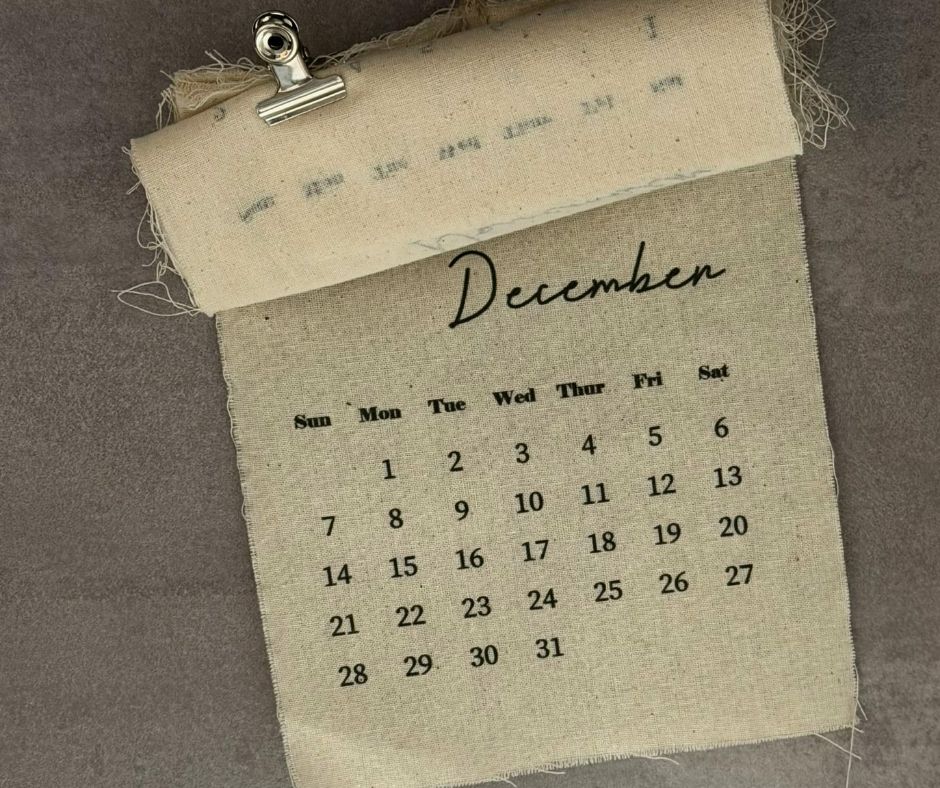
As the year comes to a close, many languages have special expressions that reflect gratitude, reflection, and well-wishing. In Japanese culture, the end of the year is especially meaningful, and there are several common phrases you’ll hear in daily life, at work, and in messages. Let’s explore some key end-of-the-year expressions and how to use them naturally.
1️⃣ よいお年をお迎えください
Meaning:
A polite way to say “Have a good New Year.”
This is the formal version of the year-end greeting and is often used in professional or written situations.
When to use it:
- Business emails
- Formal messages
- To customers, superiors, or people you don’t know well
Example:
今年もありがとうございました。よいお年をお迎えください。
(Thank you for this year. Please have a wonderful New Year.)
2️⃣ よいお年を
Meaning:
Have a good New Year.
This is the most common and casual year-end greeting in Japanese.
📌 Important:
This phrase is used before the New Year begins (until December 31).
After January 1, people say あけましておめでとうございます(Happy New Year) instead.
Example:
また来年会いましょう。よいお年を!
(Let’s meet again next year. Have a good New Year!)
3️⃣ 今年もお世話になりました
Meaning:
Thank you for everything this year.
This phrase expresses gratitude for support, help, or cooperation throughout the year.
When to use it:
- Workplaces
- Messages to teachers, colleagues, neighbors, or clients
Example:
今年もお世話になりました。
(Thank you for all your support this year.)
4️⃣ 来年もよろしくお願いします
Meaning:
I look forward to your continued support next year.
This is often used together with the previous phrase to close the year politely.
Common combination:
今年もお世話になりました。来年もよろしくお願いします。
(Thank you for everything this year. I look forward to working with you next year as well.)
5️⃣ 年末年始
Meaning:
The year-end and New Year period.
This word is commonly used in announcements, schedules, and notices.
Example:
年末年始は営業時間が変更になります。
(Business hours will change during the year-end and New Year holidays.)
6️⃣ 仕事納め
Meaning:
The last working day of the year.
This refers to the day you officially finish work before the New Year holidays.
Example:
今日が仕事納めです。
(Today is my last workday of the year.)
7️⃣ 仕事始め
Meaning:
The first working day of the New Year.
This marks the return to work after the holidays.
Example:
仕事始めは1月5日です。
(The first workday is January 5th.)
8️⃣ 大晦日
Meaning:
New Year’s Eve (December 31).
In Japan, 大晦日 is traditionally spent with family, watching special TV programs, eating 年越しそば, and preparing for the New Year.
Example:
大晦日は家でゆっくり過ごします。
(I’ll spend New Year’s Eve relaxing at home.)
🌟 Final Thoughts
End-of-the-year expressions in Japanese reflect respect, gratitude, and the importance of relationships. Using them correctly—especially with the right timing—helps you sound natural and culturally aware.
As the year comes to an end, don’t forget to express your thanks and warm wishes.
よいお年を!🎍
If you want to learn Japanese, improve your skills, or connect with native speakers and other learners, we can help. We offer one-on-one lessons, a supportive community, and on demand courses.
Website: nihongonana.com
Email: support@nihongonana.com
✅Book 1-on-1 lessons: https://nihongonana.com/lessons/
✅Join our Speaking Club: https://nihongonana.com/community/
✅Join our Course Waitlist: https://nihongonana.com/courses/
Recent Posts
-

ゲームセンター – The Fascinating…
April 8, 2026
-

Ways to Say “Comfortable”…
April 7, 2026
-

フルーツパーク – Unique Tropical…
April 6, 2026
-

有名 vs 人気 Made…
April 4, 2026
-

在宅勤務 – The Truth…
April 3, 2026
Leave Comment