
 October 20, 2025
 No Comments
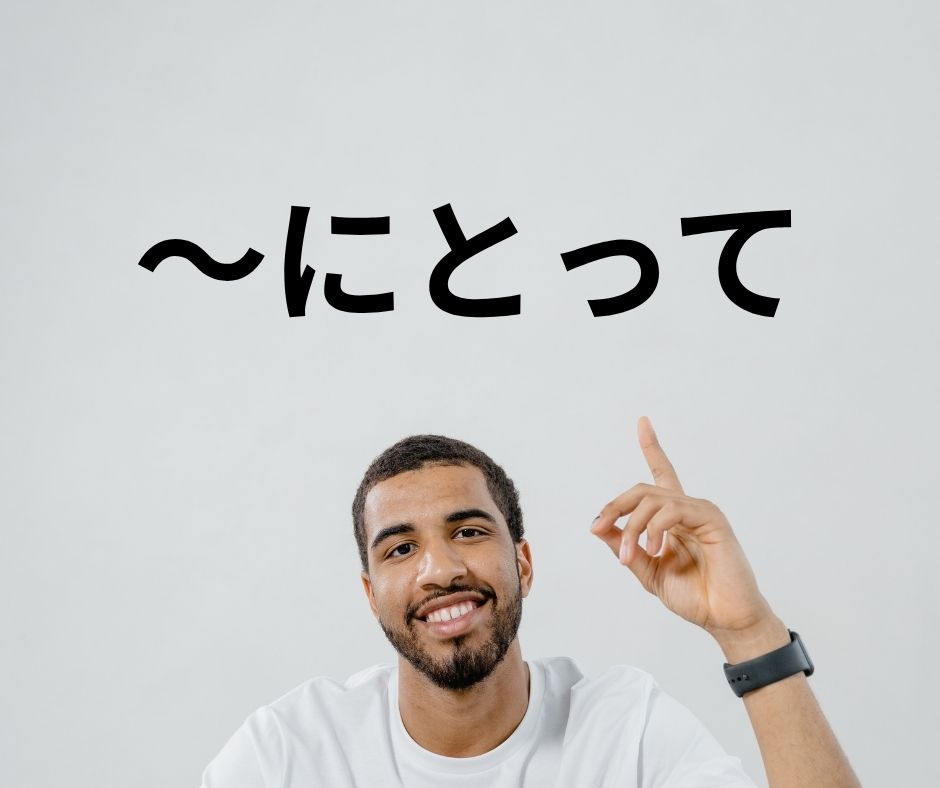
How to Use 〜にとって to Say “For (Someone)”
Have you ever wanted to say “For me…” or “For Japanese people…” in Japanese? 🤔
That’s where 〜にとって comes in!
💡 Meaning
〜にとって means “for (someone)” or “from (someone’s) point of view.”
It’s used to express how something is important, difficult, easy, good, bad, etc. for someone.
It’s often translated as:
- for someone
- to someone
- from someone’s perspective
🧩 Structure
[Noun] + にとって + [Opinion / Judgment]
💬 It’s usually followed by words that show an evaluation or feeling, such as:
- 大切 – important
- 難しい – difficult
- 簡単 – easy
- いい – good
- 悪い – bad
🗣 Example Sentences
1️⃣ 外国人にとって、漢字は難しいです。
Kanji is difficult for foreigners.
2️⃣ 子どもにとって、あそびは大切です。
For children, playing is important.
3️⃣ あなたにとって、一番大事なことは何ですか?
What is the most important thing for you?
4️⃣ この仕事は私にとって夢です。
This job is a dream for me.
5️⃣ 日本人にとって、お正月はとても大切な日です。
For Japanese people, New Year’s Day is a very important day.
⚠️ Be Careful!
Don’t use にとって for actions you do for someone (like “I bought this for you”).
In that case, use 〜のために instead.
🆚 Example:
❌ あなたにとってプレゼントを買いました。
✅ あなたのためにプレゼントを買いました。
(I bought a present for you.)
🌟 Summary
| Expression | Meaning | Usage |
|---|---|---|
| 〜にとって | For someone (from their perspective) | Opinion / evaluation |
| 〜のために | For someone’s benefit | Purpose / doing something for someone |
💬 Practice Time!
Try answering these questions using 〜にとって:
1️⃣ あなたにとって大切なものは何ですか?
2️⃣ あなたにとって難しいことは何ですか?
Comment your answers and let’s learn together! ✨
If you want to learn Japanese, improve your skills, or connect with native speakers and other learners, we can help. We offer one-on-one lessons, a supportive community, and on demand courses.
Website: nihongonana.com
Email: support@nihongonana.com
✅Book 1-on-1 lessons: https://nihongonana.com/lessons/
✅Join our Speaking Club: https://nihongonana.com/community/
✅Join our Course Waitlist: https://nihongonana.com/courses/
Recent Posts
-

Ways to Say “Comfortable”…
April 7, 2026
-

フルーツパーク – Unique Tropical…
April 6, 2026
-

有名 vs 人気 Made…
April 4, 2026
-

在宅勤務 – The Truth…
April 3, 2026
-

The Most Confusing Japanese…
April 2, 2026
Leave Comment