

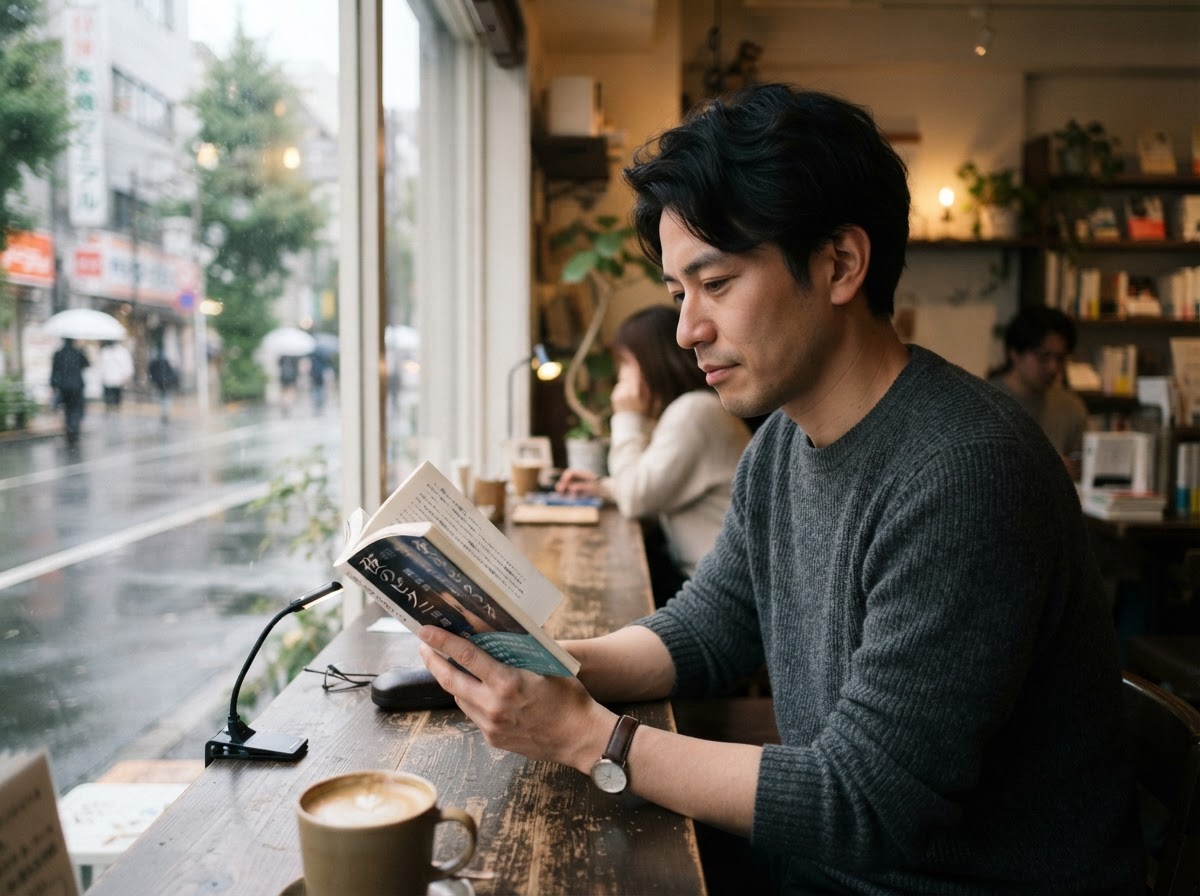
日本語を話せるようになりたいなら、会話の練習だけで十分でしょうか?読む・聞く「インプット」が、語彙・文法・漢字の学習にどう役立つかを見てみましょう 😊
話す練習だけでいい? 🗣️
日本語を勉強するとき、「早く話せるようになりたい」と思う人は多いです。会話の練習も大切ですが、話す練習だけでは、新しい言葉や文の形を覚えるのがむずかしいことがあります。読む・聞くインプットも、話すアウトプットと同じくらい大切です。
インプットで言葉と文法を学ぶ 📚
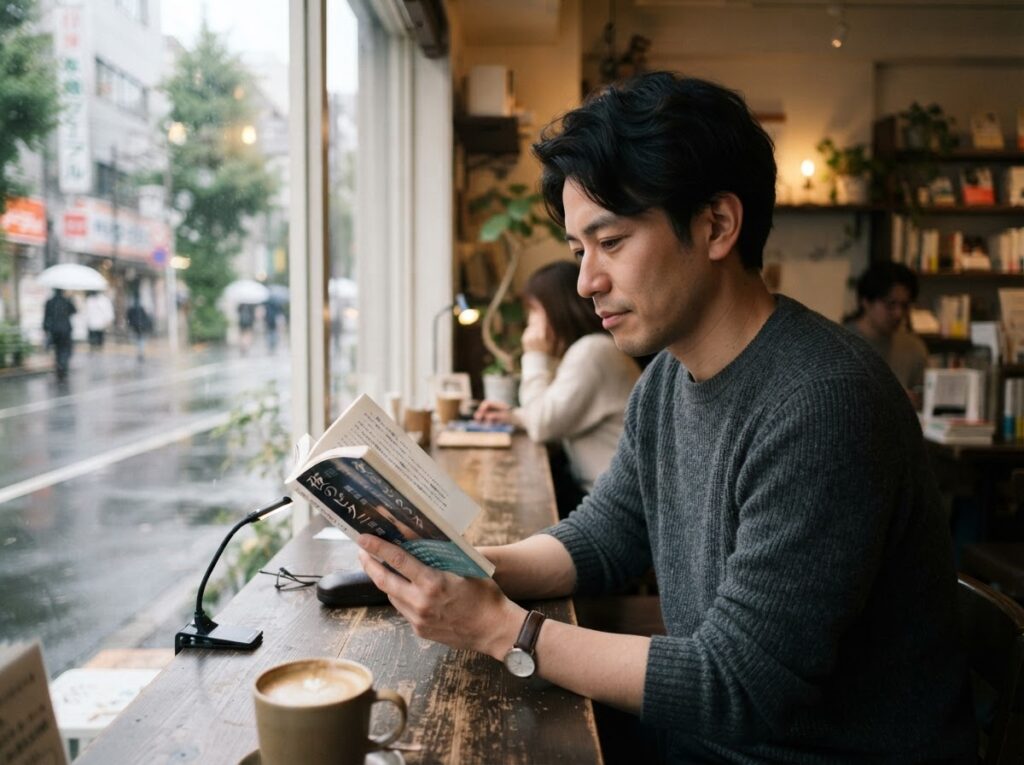
本や記事を読むと、文の中で新しい語彙や文法に出会えます。漢字も、いろいろな言葉の中で何度も見ると、少しずつ覚えやすくなります。教科書で習った文法を、実際の文章で見つけることもできます。
好きな日本語にふれる 🎧
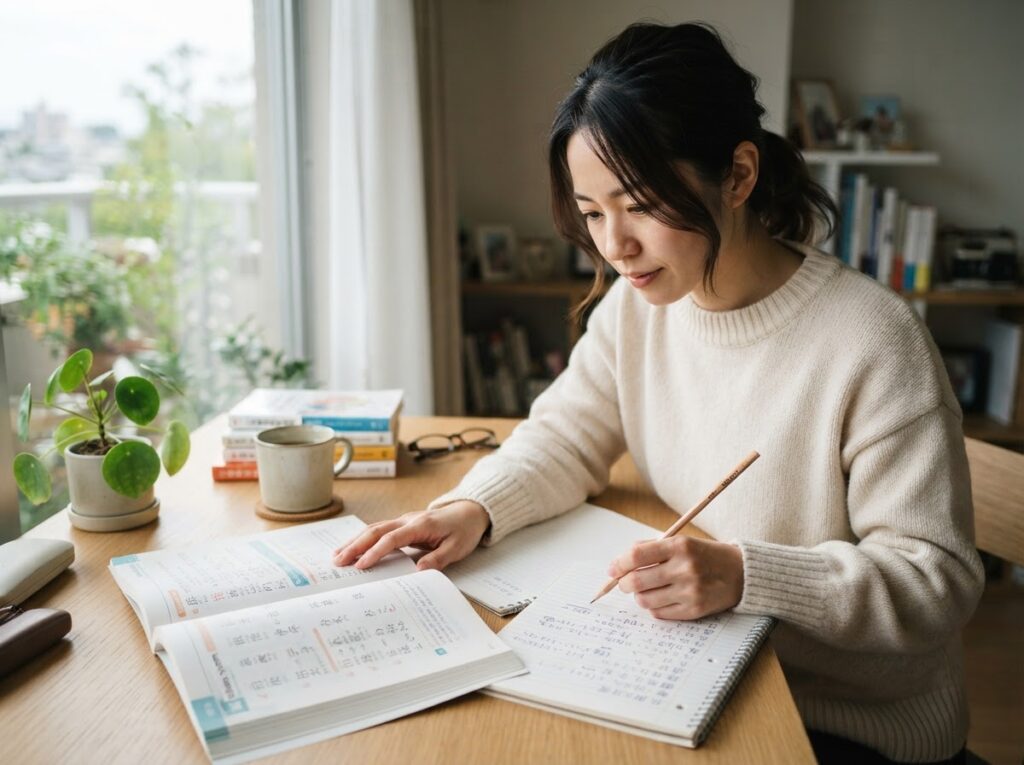
教科書で勉強するだけではなく、自分が好きなものを日本語で読む・聞くのもおすすめです。小説、マンガ、ニュース、動画、ドラマなど、興味がある内容を選びましょう。全部わからなくても大丈夫です。何度もふれるうちに、知っている表現が増えていきます。
読むことが上達につながる 🌱
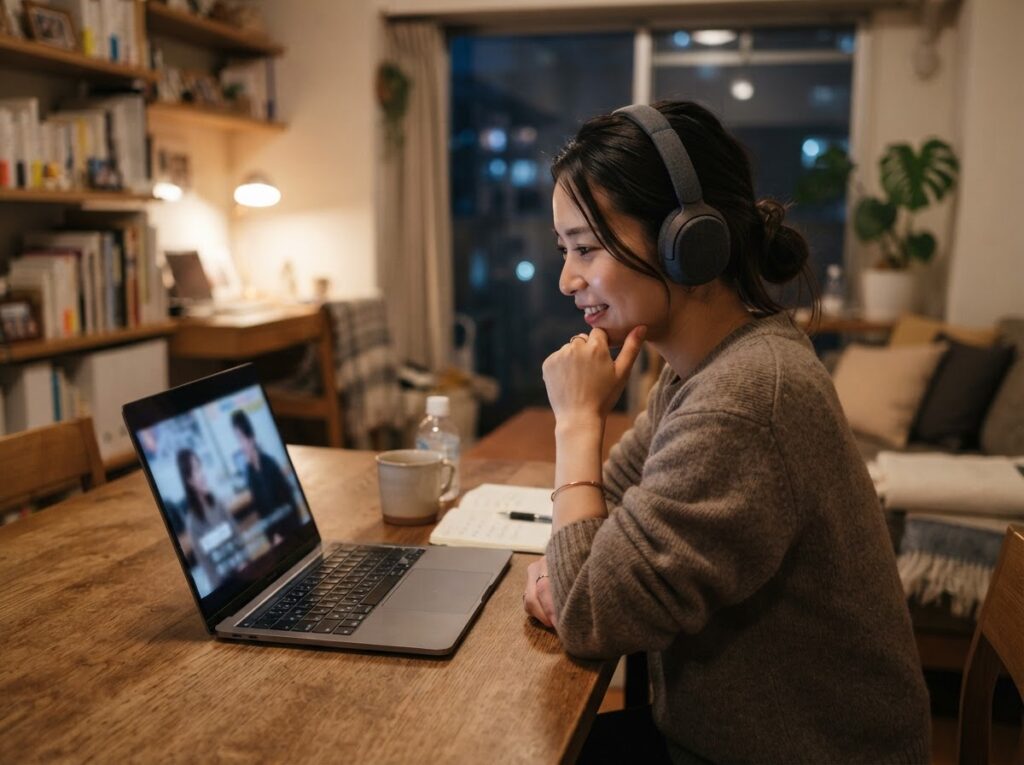
私の経験では、N2やN1を目指す人、合格した人の中には、教科書ではない日本語の本や記事を楽しんで読む人が多くいます。好きな内容を読むことは、勉強だけではなく楽しみにもなります。インプットで知った言葉や文法を、会話や作文で使ってみましょう。読む・聞くことと、話す・書くことを続けると、日本語の力が少しずつ伸びます。

English Translation
ShowHide
When studying Japanese, many people want to be able to speak quickly. Conversation practice is important, but speaking practice alone can make it difficult to learn new words and sentence patterns. Input through reading and listening is just as important as output through speaking.
When you read books and articles, you meet new vocabulary and grammar in context. You can also learn kanji little by little when you see them repeatedly in different words. You may recognize grammar from your textbook in real Japanese writing.
Along with studying from textbooks, try reading or listening to things you enjoy in Japanese. Choose novels, manga, news, videos, dramas, or anything that interests you. It is okay if you do not understand everything. The more you encounter Japanese, the more expressions you will recognize.
In my experience, many learners who aim for or pass N2 or N1 enjoy reading Japanese books and articles that are not textbooks. Reading something you like can be enjoyable as well as educational. Try using words and grammar you learn through input in conversation or writing. Keep reading and listening, as well as speaking and writing, and your Japanese will gradually improve.
Useful Vocabulary
- インプット — input; language you read or hear
- アウトプット — output; language you speak or write
- 語彙 — vocabulary
- 文法 — grammar
- 漢字 — kanji
- 会話 — conversation
- 練習 — practice
- 大切 — important
- 文章 — written passage; text
- 教科書 — textbook
- 実際 — real; actual
- 何度も — many times; repeatedly
- 少しずつ — little by little
- 小説 — novel
- 動画 — video
- 興味 — interest
- 内容 — content
- 表現 — expression
- 経験 — experience
- 目指す — to aim for
- 合格する — to pass
- 楽しみ — enjoyment; something to look forward to
- 作文 — composition; writing
- 続ける — to continue
- 伸びる — to improve; to grow
What kind of Japanese content do you enjoy reading or watching? Try adding a little Japanese input to your day! 📚