

 May 14, 2026
 No Comments
The Fascinating and Peaceful World of Wabi-Sabi in Japan
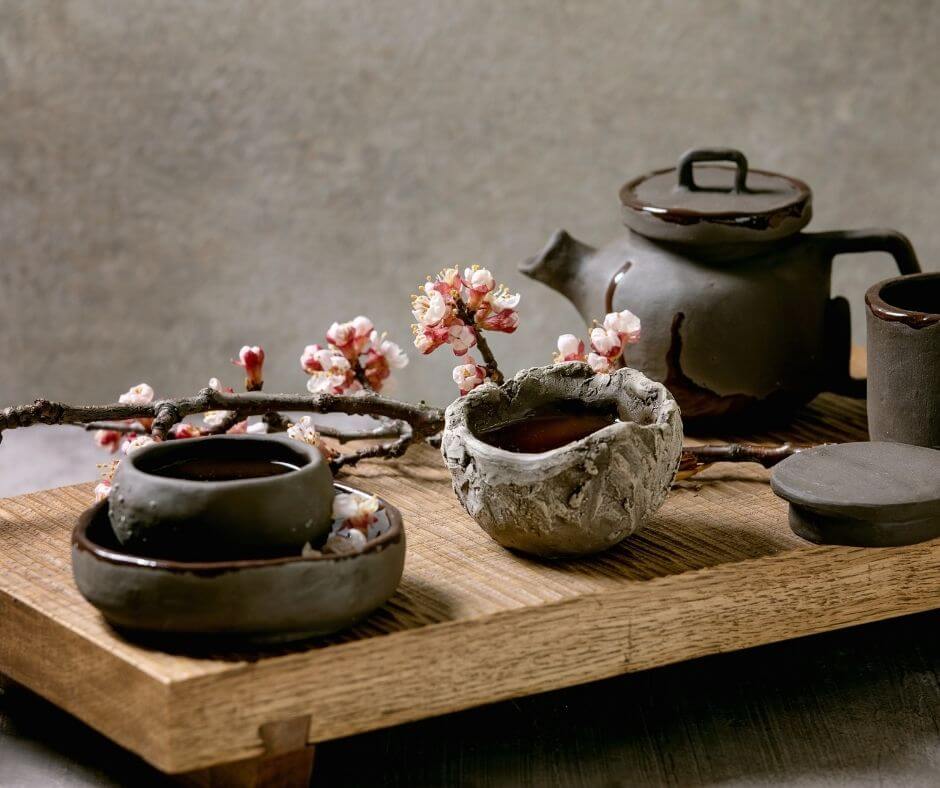
Japan has many unique ideas about beauty, but one of the most famous is wabi-sabi(わびさび). Unlike modern ideas of “perfect” beauty, wabi-sabi finds beauty in things that are simple, old, imperfect, and temporary.
You can see wabi-sabi in Japanese gardens, pottery, tea ceremonies, traditional houses, and even in everyday life. For many Japanese people, it is not only an art style but also a way of thinking about life.
In this article, let’s explore what wabi-sabi means and why it is such an important part of Japanese culture.
What Does Wabi-Sabi Mean?
Interestingly, “wabi” and “sabi” originally had separate meanings.
Wabi(わび)
“Wabi” originally described the sadness of living simply or alone in nature. However, over time, the meaning changed into something more positive.
Today, wabi often means:
- simple beauty
- quietness
- calm living
- enjoying less rather than more
For example:
- a small wooden house
- a handmade cup
- a quiet moment drinking tea
Sabi(さび)
“Sabi” refers to the beauty that comes with age and time.
Things that are old, faded, worn, or weathered can still be beautiful. Instead of throwing old things away, wabi-sabi appreciates the history and feeling they carry.
For example:
- rusty metal
- cracked pottery
- old wooden temples
- autumn leaves
The Main Idea of Wabi-Sabi
The heart of wabi-sabi is accepting that:
- nothing lasts forever
- nothing is perfect
- nothing stays the same
This idea comes partly from Japanese Buddhism, especially the concept of impermanence 無常 (むじょう).
Instead of trying to make everything flawless, wabi-sabi teaches people to appreciate natural changes and imperfections.
Examples of Wabi-Sabi in Japan
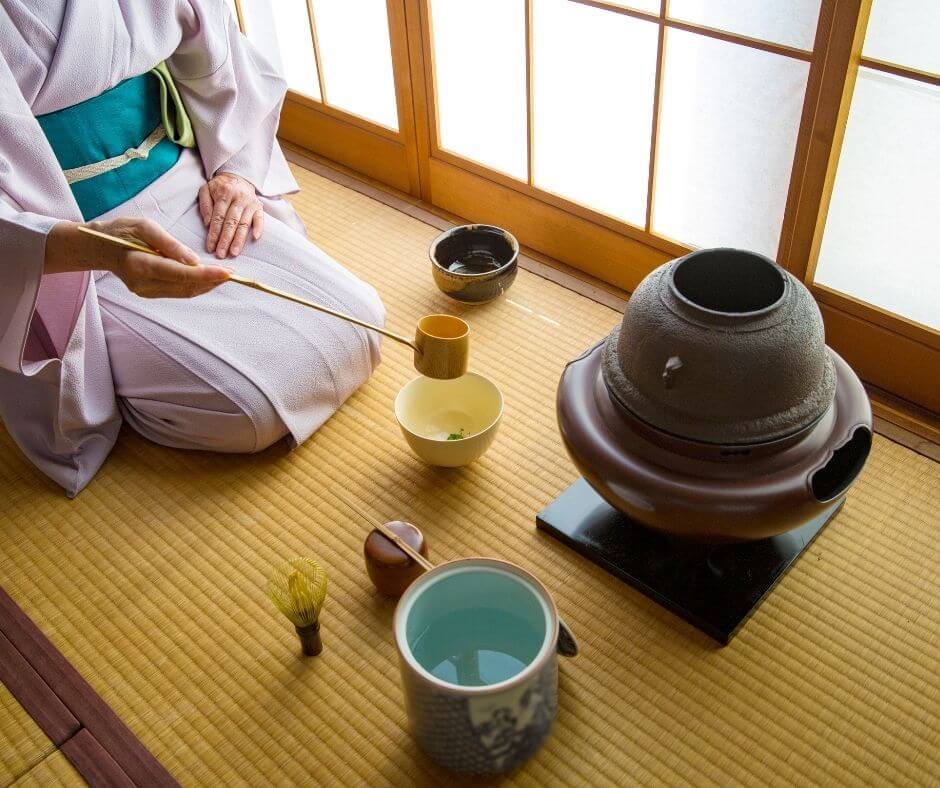
茶道 (さどう) – Tea Ceremony
Japanese tea ceremony often uses handmade tea bowls that are uneven or slightly cracked. These imperfections make each bowl unique and meaningful.
A perfectly identical machine-made cup may feel less “alive.”
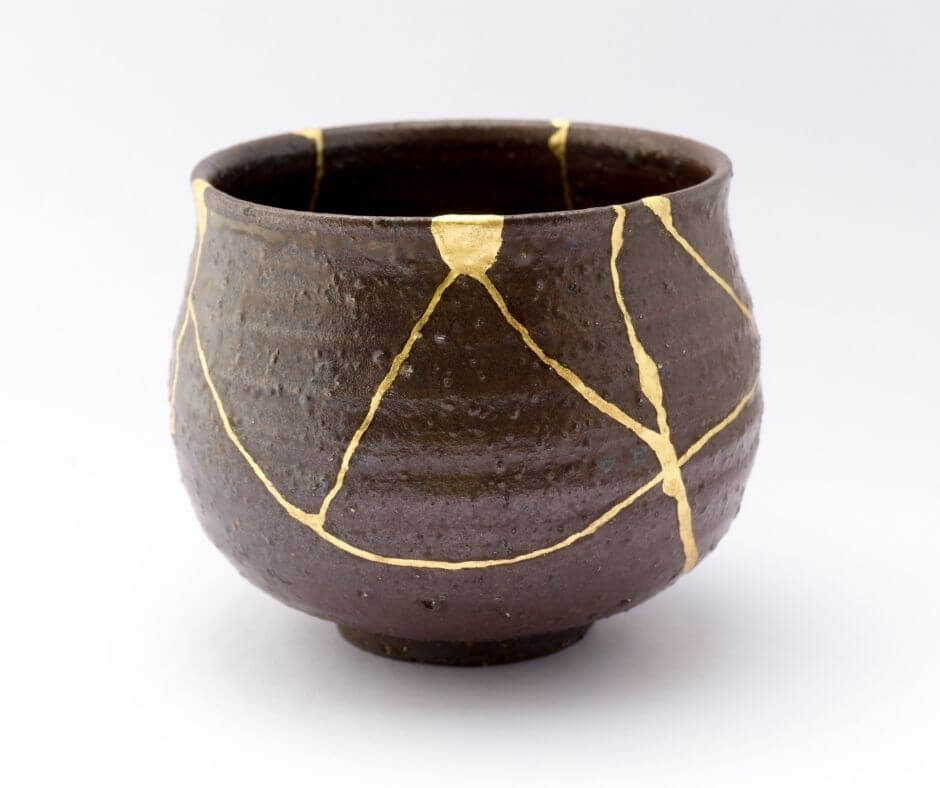
金継ぎ (きんつぎ) – Kintsugi
Kintsugi is the Japanese art of repairing broken pottery with gold.
Instead of hiding the cracks, the cracks become part of the beauty.
This idea perfectly represents wabi-sabi: broken things can still become beautiful.
Nature
Wabi-sabi can also be seen in nature:
- cherry blossoms that quickly fall
- moss growing on stones
- old trees
- rainy days
- faded leaves in autumn
Because these moments do not last forever, they feel special.
Wabi-Sabi in Daily Life
Many people today are attracted to wabi-sabi because modern life can feel busy, noisy, and focused on perfection.
Wabi-sabi reminds us that:
- it is okay to be imperfect
- simple things can bring happiness
- aging is natural
- quiet moments are valuable
Some people even use wabi-sabi when decorating their homes:
- natural wood
- handmade ceramics
- earthy colors
- minimal design
- old furniture
Wabi-Sabi vs Modern Perfection
Modern culture often values:
- brand-new products
- symmetry
- perfection
- luxury
- speed
Wabi-sabi is almost the opposite.
Instead of “perfect and shiny,” it values:
- natural and authentic
- simple and calm
- imperfect and real
That is why many people around the world find wabi-sabi refreshing and peaceful.
Useful Japanese Vocabulary
- 侘び寂び(わびさび)– wabi-sabi
- 美しさ(うつくしさ)– beauty
- 不完全(ふかんぜん)– imperfection
- 自然(しぜん)– nature
- 茶道(さどう)– tea ceremony
- 金継ぎ(きんつぎ)– repairing pottery with gold
- 無常(むじょう)– impermanence
- 静か(しずか)– quiet
- 古い(ふるい)– old
- 質素(しっそ)– simplicity
Final Thoughts
Wabi-sabi is a unique Japanese aesthetic that teaches us to appreciate imperfection, simplicity, and the passing of time.
In a world that often pressures people to be perfect, wabi-sabi offers a gentler perspective:
there is beauty in things that are incomplete, changing, and imperfect.
Maybe that is why this traditional Japanese idea still feels so meaningful today.
Quiz
1. What does “sabi” mainly refer to?
A. Bright colors
B. Beauty that comes with age
C. Expensive design
2. What is kintsugi?
A. A tea ceremony
B. A type of garden
C. Repairing broken pottery with gold
3. Which idea matches wabi-sabi?
A. Everything should be perfect
B. Old things have no value
C. Imperfection can be beautiful
Answers
C
B
C
If you want to learn Japanese, improve your skills, or connect with native speakers and other learners, we can help. We offer one-on-one lessons and a supportive community!
Website: nihongonana.com
Email: support@nihongonana.com
✅Private Lesson: NihongoNana Private Lessons
✅Online Community: NihongoNana Community
Recent Posts
-
違う or 異なる? How…
October 6, 2026
-

3 Amazing Bookstores You…
October 5, 2026
-

Say “No” Like a…
October 3, 2026
-

Asian Games 2026: A…
October 2, 2026
-
いい or よい? How…
October 1, 2026
Leave Comment