

 December 30, 2025
 No Comments
大晦日の過ごし方|How Japanese People Spend New Year’s Eve
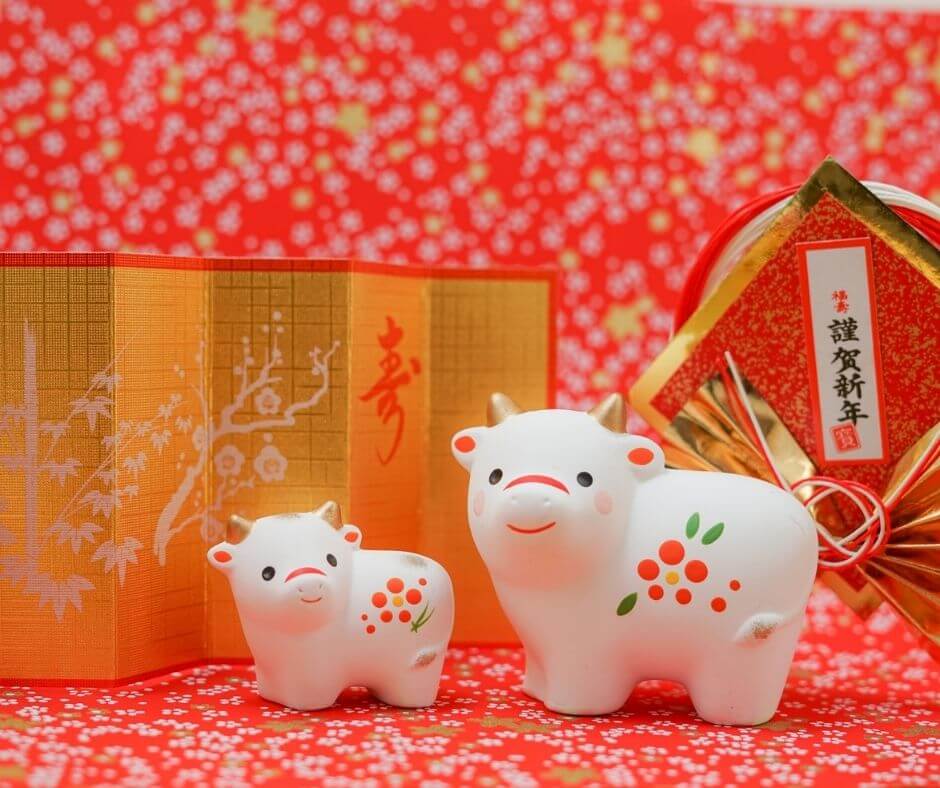
1年の最後の日、12月31日を日本語で「大晦日」といいます!日本の伝統では大晦日にすることがたくさんあります!一つ一つに大切な意味があるので今日はそれを紹介しますね🙏

大体の人が大晦日は家族と家でゆっくりします。日本では昔からテレビを見る文化があるので大晦日には音楽やバラエティーなど特別なテレビ番組がたくさんあります!テレビの前で食べながら、食べながら、食べながら… テレビをたくさん見ます😂

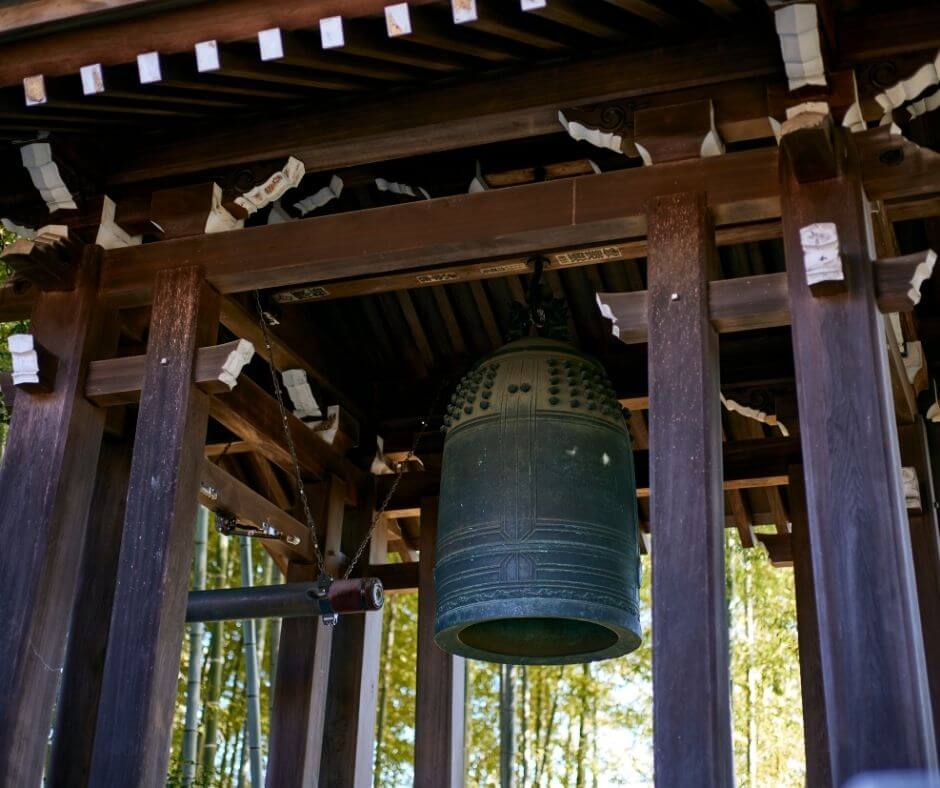
そしてお寺では「除夜の鐘」が108回鳴るんです!人には、例えば「怒り」「嫉妬」「欲」108個のよくない気持ちがあるからです(あります…笑)🥺鐘を一回鳴らすときに、このよくない気持ちが1つ消えます。きれいな気持ちで新しい1年をスタートするためですね!
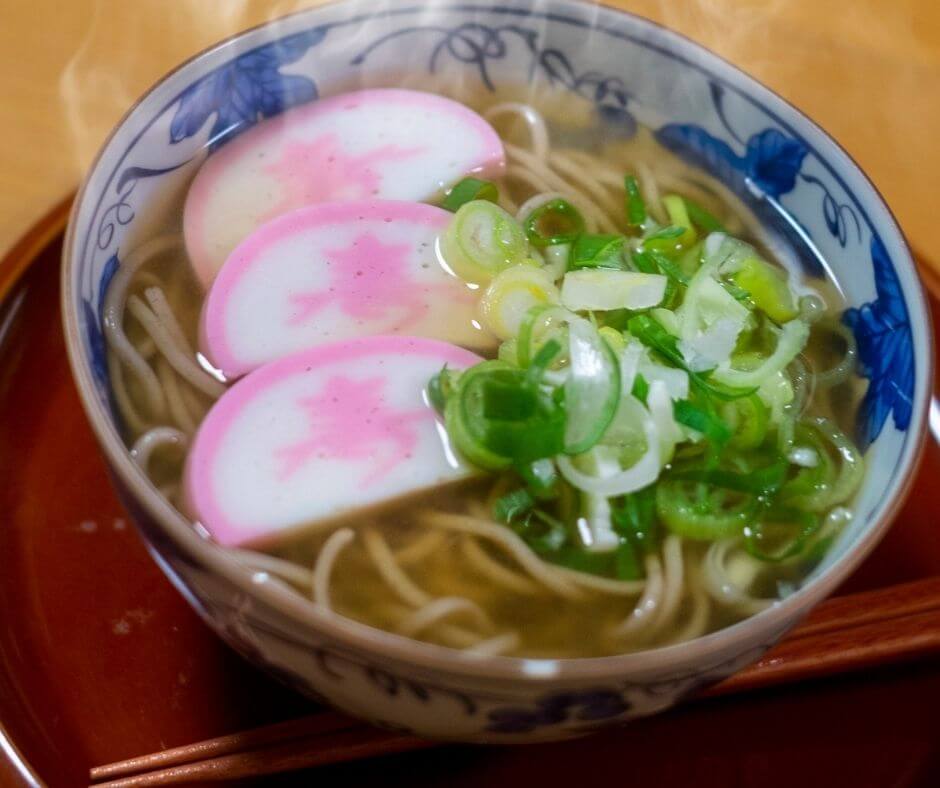
もう1つは「年越しそば」🙌前の1年から次の1年に進むために食べるそばです!そばは長いので、長く生きるため、そしてそばは柔らかくてすぐに切れるので、悪いことを切って次の年にもっていかないためにこの年越しそばを食べます!今日私は年越しそばの準備をしました!明日食べます😊みなさんもよいお年を!
【English Translation】
The last day of the year, December 31, is called Ōmisoka in Japanese.
In Japanese tradition, there are many things people do on Ōmisoka.
Each one has an important meaning, so today I’d like to introduce them.
Most people spend Ōmisoka relaxing at home with their family.
In Japan, there has long been a culture of watching TV, so on Ōmisoka there are many special TV programs such as music shows and variety shows.
People eat while watching TV… eat while watching TV… eat while watching TV… and watch a lot of TV!
At temples, a bell called Joya no Kane is rung 108 times.
This is because people are said to have 108 bad feelings, such as anger, jealousy, and desire (we really do… haha)
Each time the bell is rung, one bad feeling disappears.
This is done so we can start the new year with a clean heart.
Another tradition is Toshikoshi Soba.
It is soba eaten to move from the old year to the next year.
Soba is long, so it represents living a long life.
Also, because soba is soft and easy to cut, it means cutting off bad things and not bringing them into the new year.
Today, I prepared Toshikoshi Soba.
I will eat it tomorrow!
I hope you all have a great new year!
【Vocabulary List】
1年(いちねん)— one year
最後(さいご)— last
日(ひ)— day
大晦日(おおみそか)— New Year’s Eve
日本語(にほんご)— Japanese language
伝統(でんとう)— tradition
たくさん — many / a lot
大切(たいせつ)— important
意味(いみ)— meaning
紹介する(しょうかいする)— to introduce
大体(だいたい)— mostly / generally
人(ひと)— people
家族(かぞく)— family
家(いえ)— house / home
ゆっくり — relax / slowly
昔から(むかしから)— for a long time
文化(ぶんか)— culture
テレビ番組(テレビばんぐみ)— TV program
音楽(おんがく)— music
特別(とくべつ)— special
見る(みる)— to watch
お寺(おてら)— temple
除夜の鐘(じょやのかね)— New Year’s Eve bell
回(かい)— times
鳴る(なる)— to ring
人(ひと)— people
気持ち(きもち)— feeling
怒り(いかり)— anger
嫉妬(しっと)— jealousy
欲(よく)— desire
消える(きえる)— to disappear
新しい(あたらしい)— new
年(とし)— year
スタートする — to start
年越しそば(としこしそば)— New Year’s Eve soba
進む(すすむ)— to move forward
長い(ながい)— long
生きる(いきる)— to live
柔らかい(やわらかい)— soft
切れる(きれる)— to be cut
悪い(わるい)— bad
準備する(じゅんびする)— to prepare
明日(あした)— tomorrow
食べる(たべる)— to eat
よいお年を(よいおとしを) — Have a good new year
If you want to learn Japanese, improve your skills, or connect with native speakers and other learners, we can help. We offer one-on-one lessons, a supportive community, and on demand courses.
Website: nihongonana.com
Email: support@nihongonana.com
✅Book 1-on-1 lessons: https://nihongonana.com/lessons/
✅Join our community: https://nihongonana.com/community/
✅Access courses: https://nihongonana.com/courses/
Recent Posts
-

Japanese School System and…
October 12, 2026
-

6 Beautiful Japanese Phrases…
October 10, 2026
-
The Japanese Custom That…
October 9, 2026
-

How to Say “Maybe”…
October 8, 2026
-

The Fascinating World of…
October 7, 2026
Leave Comment