
 October 12, 2026
 No Comments
Japanese School System and Culture: What Makes It Unique?
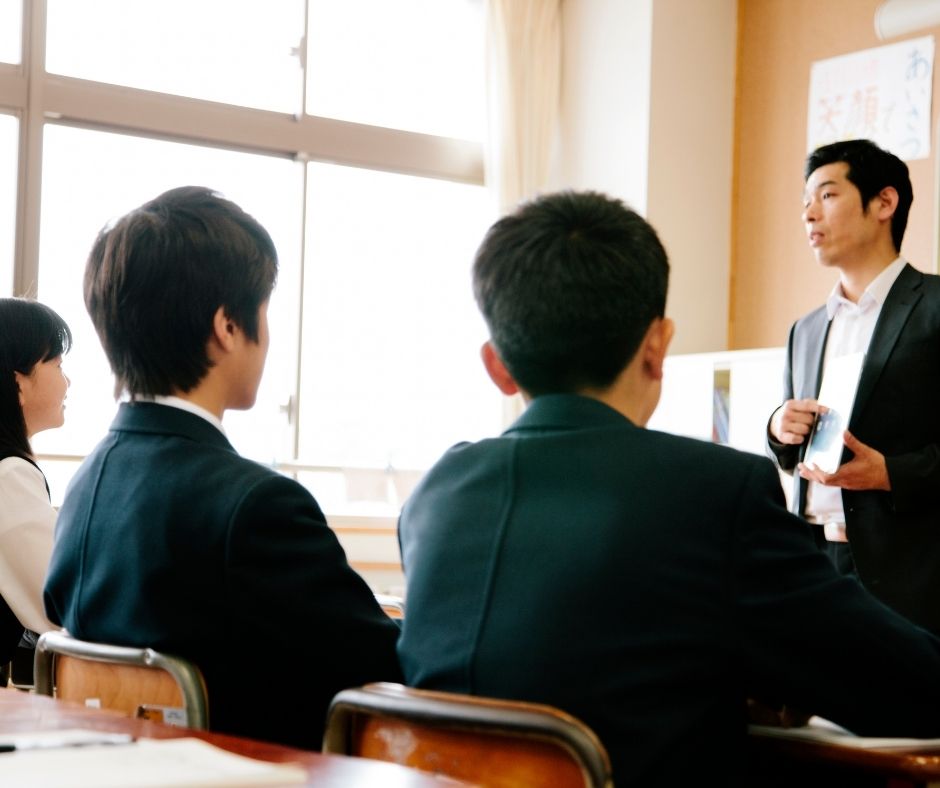
日本の学校では勉強だけではなく、いろいろなことを学びます。国語や社会などの教科を勉強することも大切ですが、毎日の学校生活から学ぶこともたくさんあります。今回は、日本の学校での生活について紹介します!🏫
みんなで給食を食べる
日本の小学校では、給食がある学校がたくさんあります。子どもたちはみんなで協力して、食事を準備します🍚給食では、ご飯やパン、肉、魚、野菜、スープなど、いろいろな食べ物を食べます。栄養のバランスも考えられています。子どもたちは食べ物の大切さや、食べ物を作ってくれる人に感謝する気持ちも学びます😌

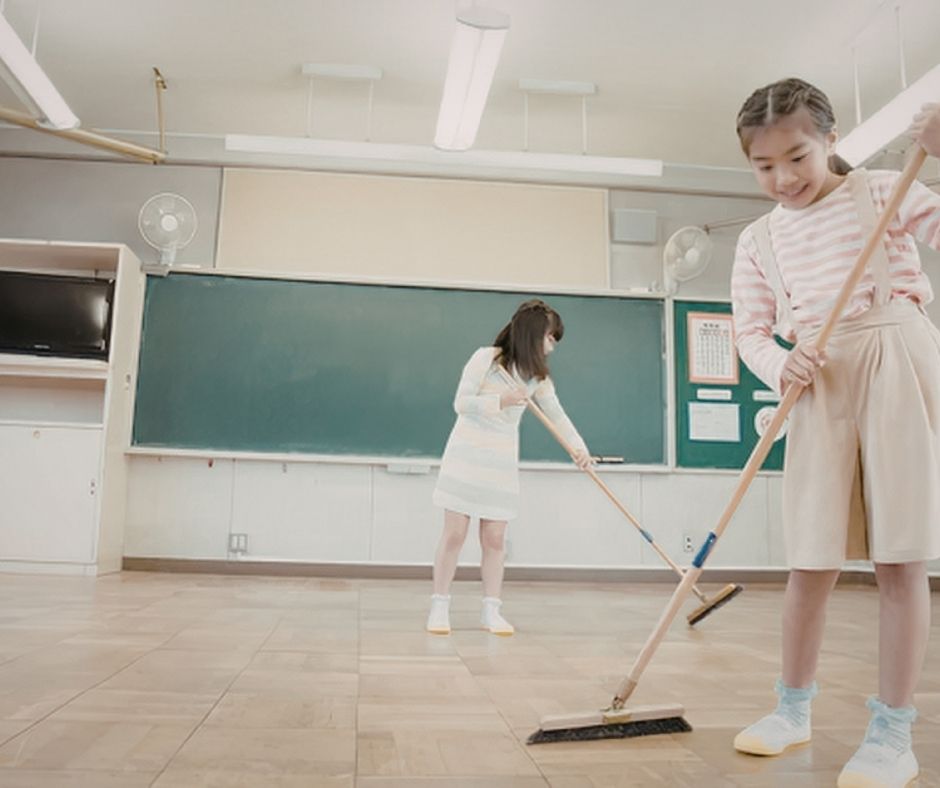
自分たちで学校をそうじする
日本の学校では、子どもたちが自分たちで教室やろうか、トイレなどをそうじすることがあります。これは、使っている場所をきれいにすることや、みんなで協力することを学ぶためです。また、自分のことは自分でするという気持ちも大切にしています🧹
みんなで協力する
学校生活では、友達と協力することも大切です。たとえば、給食の準備やそうじだけではなく、運動会や文化祭などの学校行事でも、みんなで力を合わせます。自分の仕事を最後までしたり、困っている友達を助けたりすることもあります。このような経験から、子どもたちは相手の気持ちを考えることや、みんなで何かをする楽しさを学びます🤝
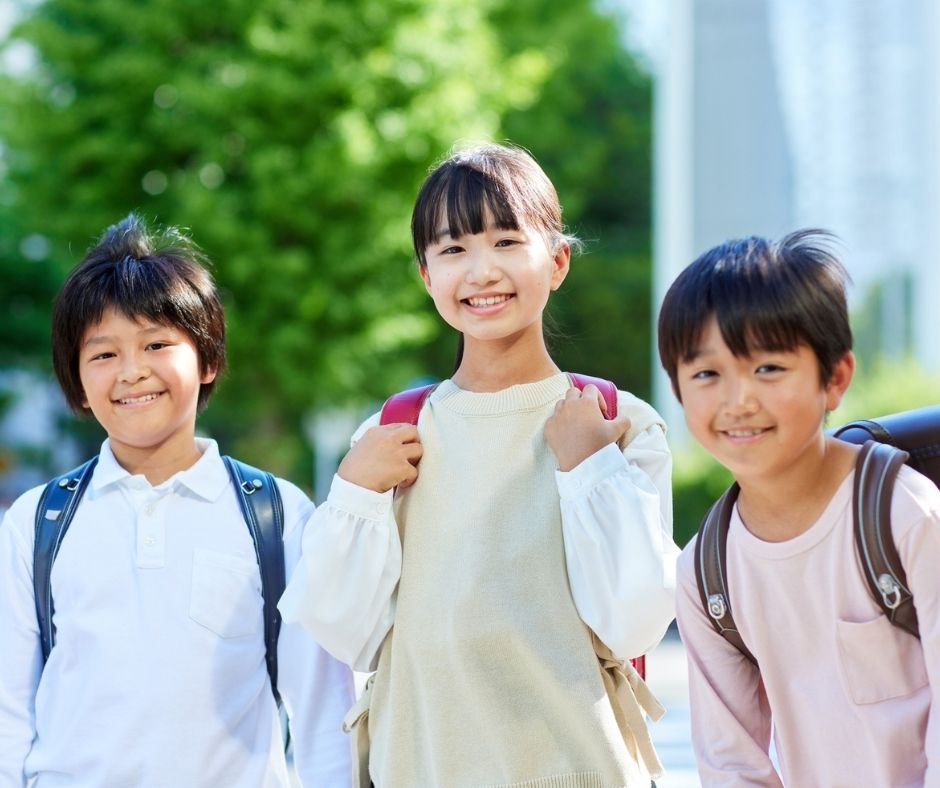
日本の学校では、教科の勉強だけではなく、生活を通して、たくさんのことを学びます。自分でできることを自分でしたり、みんなで協力したりすることも、学校での大切な学びです!
みなさんの国の学校では、子どもたちが自分たちでそうじをしたり、みんなで昼ご飯を準備したりしますか?🤔
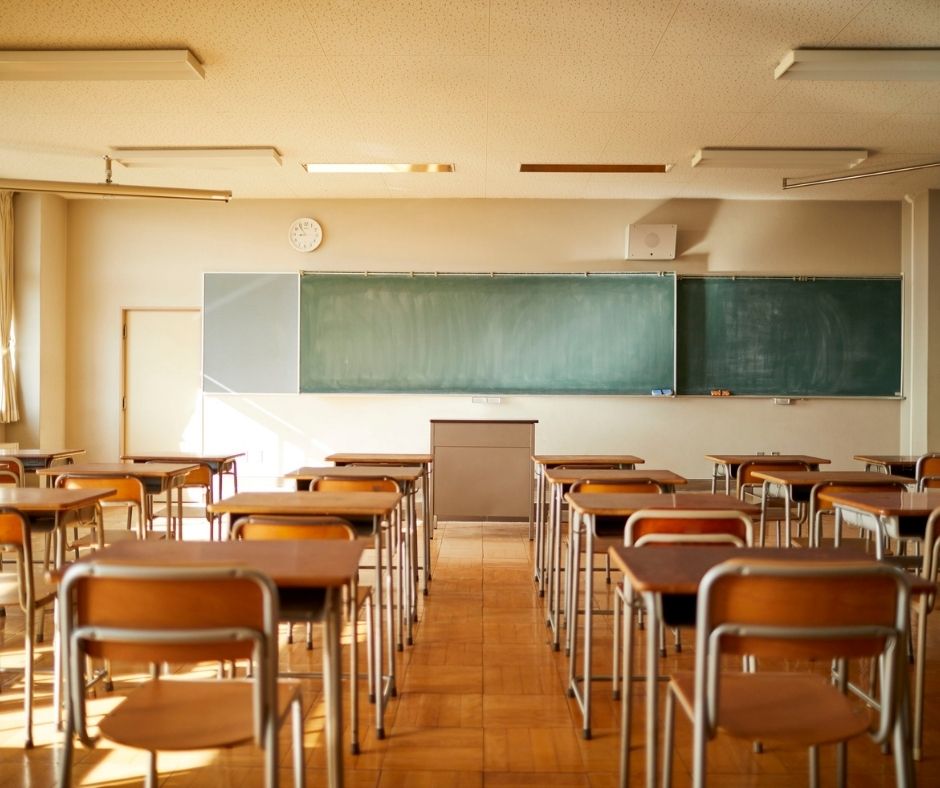
English Translation
In Japanese schools, students learn many things beyond their academic subjects. Studying subjects like Japanese and social studies is important, but students also learn a lot through their everyday school life. Today, let’s take a look at school life in Japan!
Eating School Lunch Together
Many elementary schools in Japan provide school lunches, called kyushoku. Students work together to prepare and serve the meals.
School lunches include a variety of foods, such as rice, bread, meat, fish, vegetables, and soup. The meals are also planned to provide a good nutritional balance.
Through school lunches, children learn about the importance of food and how to appreciate the people who prepare their meals.
Cleaning the School Themselves
In Japanese schools, students sometimes clean their own classrooms, hallways, and even bathrooms.
This helps them learn to keep the places they use clean and work together with others. It also encourages them to take responsibility for their own tasks.
Working Together as a Team
Working together with friends is also an important part of school life.
For example, students cooperate not only when preparing school lunches and cleaning but also during school events, such as sports days and school festivals.
They learn to finish their assigned tasks and help friends who are having trouble. Through these experiences, children learn to consider other people’s feelings and enjoy working together as a team.
In Japanese schools, students learn many things through everyday experiences, not just through academic subjects. Learning to do things independently and cooperate with others is also an important part of education!
In your country, do students clean their own classrooms or prepare lunch together?
Vocabulary List
学(まな)ぶ — to learn
国語(こくご) — Japanese language
社会(しゃかい) — social studies
教科(きょうか) — school subject
毎日(まいにち) — every day
紹介(しょうかい)する — to introduce
小学校(しょうがっこう) — elementary school
給食(きゅうしょく) — school lunch
協力(きょうりょく)する — to cooperate
準備(じゅんび)する — to prepare
栄養(えいよう) — nutrition
大切(たいせつ) — important
感謝(かんしゃ)する — to appreciate; to be thankful
掃除(そうじ)する — to clean
場所(ばしょ) — place
きれい — clean
自分(じぶん) — oneself
友達(ともだち) — friend
運動会(うんどうかい) — sports day
文化祭(ぶんかさい) — school festival
学校行事(がっこうぎょうじ) — school event
力(ちから)を合(あ)わせる — to work together
最後(さいご)まで — until the end
困(こま)る — to have trouble
助(たす)ける — to help
経験(けいけん) — experience
相手(あいて) — the other person
気持(きも)ち — feelings
楽(たの)しさ — enjoyment; the fun of something
生活(せいかつ) — daily life
通(とお)して — through
昼(ひる)ご飯(はん) — lunch
If you want to learn Japanese, improve your skills, or connect with native speakers and other learners, we can help. We offer one-on-one lessons and a supportive community!
Website: nihongonana.com
Email: support@nihongonana.com
✅Private Lesson: NihongoNana Private Lessons
✅Online Community: NihongoNana Community
Recent Posts
-
Japanese School System and…
October 12, 2026
-

6 Beautiful Japanese Phrases…
October 10, 2026
-

The Japanese Custom That…
October 9, 2026
-

How to Say “Maybe”…
October 8, 2026
-

The Fascinating World of…
October 7, 2026
Leave Comment