
 January 3, 2025
 No Comments
お正月の伝統 – Japanese New Year Traditions
日本のお正月は大切な時間です。新しい年を祝って、家族や友達と過ごします。ここでは、よく知られたお正月の伝統を紹介します。
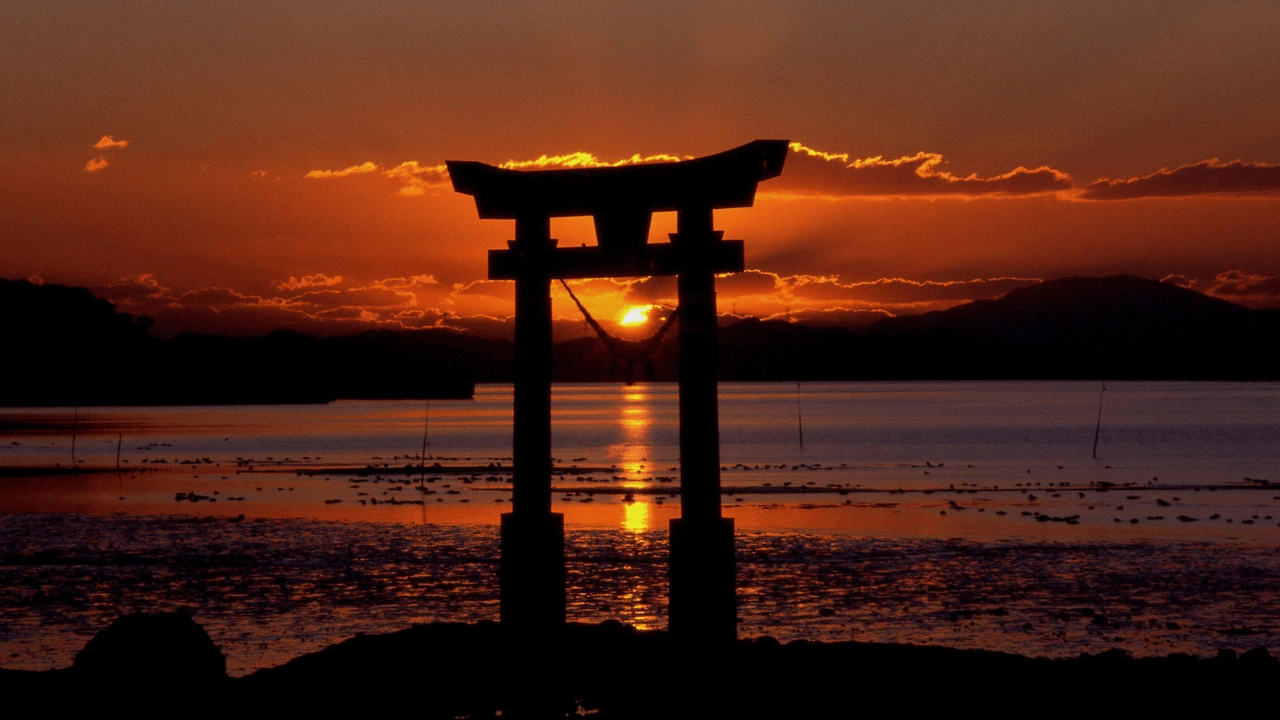
初詣
初詣は、毎年新しい年の初めに神社やお寺に行くことです。神様にお願いをしたり、感謝したりします。また、お寺でおみくじを引く人も多いです。おみくじは大吉から大凶まであり、それを読むのも楽しい体験です。
お年玉
お正月には、大人が子供たちに「お年玉」を渡します。お年玉は小さな袋に入ったお金で、子供たちは大喜びです。お年玉は子供たちの幸せを願う意味があり、大人にとっても大切な行事です。
おせち料理
お正月には、おせち料理を食べます。おせち料理は、箱に入った素敵な料理です。くろまめやたつくり、かまぼこなど、たくさんの食べ物があります。その中には、安全を願ったり、幸せを祈ったりする意味のある食べ物もあります。この料理は一年間の健康を願うために大切なものです。
日本のお正月は、家族や友達と一緒に楽しむ大切な時間です。新年の計画を立てたり、おいしいおせち料理を分け合ったりするのも良いですね。みなさんも、これらの伝統を体験して、新しい年を素敵な始まりにしてみませんか?
日本のお正月は大切な時間です。新しい年を祝って、家族や友達と過ごします。ここでは、よく知られたお正月の伝統を紹介します。
初詣
初詣は、毎年新しい年の初めに神社やお寺に行くことです。神様にお願いをしたり、感謝したりします。また、お寺でおみくじを引く人も多いです。おみくじは大吉から大凶まであり、それを読むのも楽しい体験です。
お年玉
お正月には、大人が子供たちに「お年玉」を渡します。お年玉は小さな袋に入ったお金で、子供たちは大喜びです。お年玉は子供たちの幸せを願う意味があり、大人にとっても大切な行事です。
おせち料理
お正月には、おせち料理を食べます。おせち料理は、箱に入った素敵な料理です。くろまめやたつくり、かまぼこなど、たくさんの食べ物があります。その中には、安全を願ったり、幸せを祈ったりする意味のある食べ物もあります。この料理は一年間の健康を願うために大切なものです。
日本のお正月は、家族や友達と一緒に楽しむ大切な時間です。新年の計画を立てたり、おいしいおせち料理を分け合ったりするのも良いですね。みなさんも、これらの伝統を体験して、新しい年を素敵な始まりにしてみませんか?
【English Translation】
The Japanese New Year is a special and meaningful time. Families and friends gather to celebrate the arrival of the new year. Here, we will introduce some well-known New Year traditions in Japan.
Hatsumode
Hatsumode refers to the first visit of the year to a shrine or temple. People go to express their gratitude to the gods and make wishes for the coming year. Many also draw omikuji, fortune-telling slips, at temples. These slips range from “great luck” to “great misfortune,” and reading them is an enjoyable experience.
Otoshidama
During the New Year, adults give “otoshidama” to children. Otoshidama is money placed in small decorative envelopes, and children are always delighted to receive them. This tradition carries the meaning of wishing happiness and good fortune for the children, making it an important event for adults as well.
Osechi Ryori
Osechi Ryori is a traditional New Year cuisine eaten during this time. It consists of beautifully arranged dishes packed in special boxes. Foods like kuromame (sweet black beans), tatsukuri (dried sardines), and kamaboko (fish cake) are included. Many of these foods symbolize wishes for safety, happiness, and good health for the year. This cuisine plays an important role in wishing for the well-being of the family throughout the year.
The Japanese New Year is a precious time to enjoy with family and friends. Planning for the year ahead or sharing delicious osechi dishes can make the celebration even more meaningful. Why not experience these traditions and make the start of your year a wonderful one?
【Vocabulary List】
お正月(おしょうがつ) – New Year
伝統(でんとう) – Tradition
家族(かぞく) – Family
友達(ともだち) – Friends
初詣(はつもうで) – First shrine/temple visit of the year
神社(じんじゃ) – Shinto shrine
お寺(おてら) – Buddhist temple
神様(かみさま) – God, deity
感謝(かんしゃ) – Gratitude
おみくじ – Fortune-telling slip
大吉(だいきち) – Great luck
大凶(だいきょう) – Great misfortune
お年玉(おとしだま) – New Year’s gift money
大人(おとな) – Adult
子供(こども) – Child
幸せ(しあわせ) – Happiness
意味(いみ) – Meaning
行事(ぎょうじ) – Event
おせち料理(おせちりょうり) – Traditional New Year’s cuisine
箱(はこ) – Box
くろまめ – Sweet black beans
たつくり – Dried sardines
かまぼこ – Fish cake
安全(あんぜん) – Safety
健康(けんこう) – Health
計画(けいかく) – Plan
分け合う(わけあう) – To share
素敵(すてき) – Wonderful
If you want to learn Japanese, improve your skills, or connect with native speakers and other learners, we can help. We offer one-on-one lessons, a supportive community, and on demand courses.
Website: nihongonana.com
Email: support@nihongonana.com
✅Book 1-on-1 lessons: https://nihongonana.com/lessons/
✅Join our community: https://nihongonana.com/community/
✅Access courses: https://nihongonana.com/courses/
Recent Posts
-

Useful Japanese Expressions for…
October 21, 2026
-

What Is a Hanko?…
October 20, 2026
-

How to Express “In…
October 19, 2026
-

Izakaya Culture in Japan:…
October 17, 2026
-

How to Say “Convenient”…
October 16, 2026
Leave Comment