 January 2, 2026
 No Comments
三が日 – How Japanese People Start the New Year
みなさん、あけましておめでとうございます🎍
今年もよろしくおねがいします!
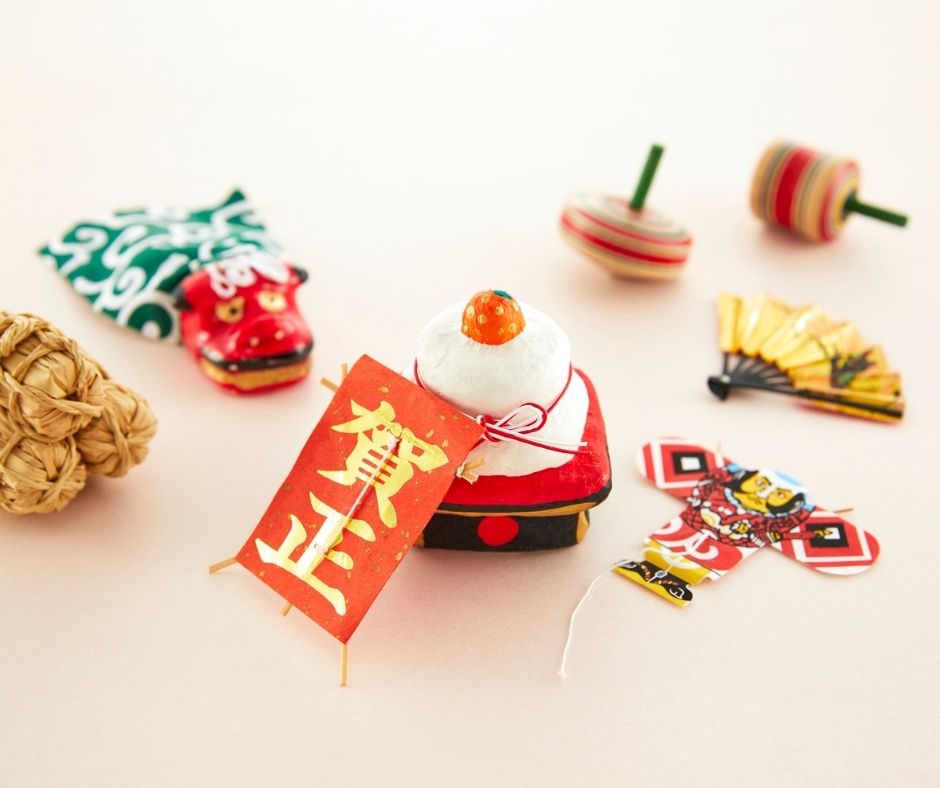
今日は、日本のお正月「三が日」について話しましょう。
三が日とは、1月1日・2日・3日のことです🗓
日本では、この三日間はとても大切な時間です。
三が日は、家族と一緒にゆっくりすごす人が多いです。
会社や学校は休みのことが多いです。
よくすることは、こんなことです。
・お年玉をもらう
子どもは大人からお金をもらいます。
・初詣に行く
神社やお寺で一年の幸せをいのります。
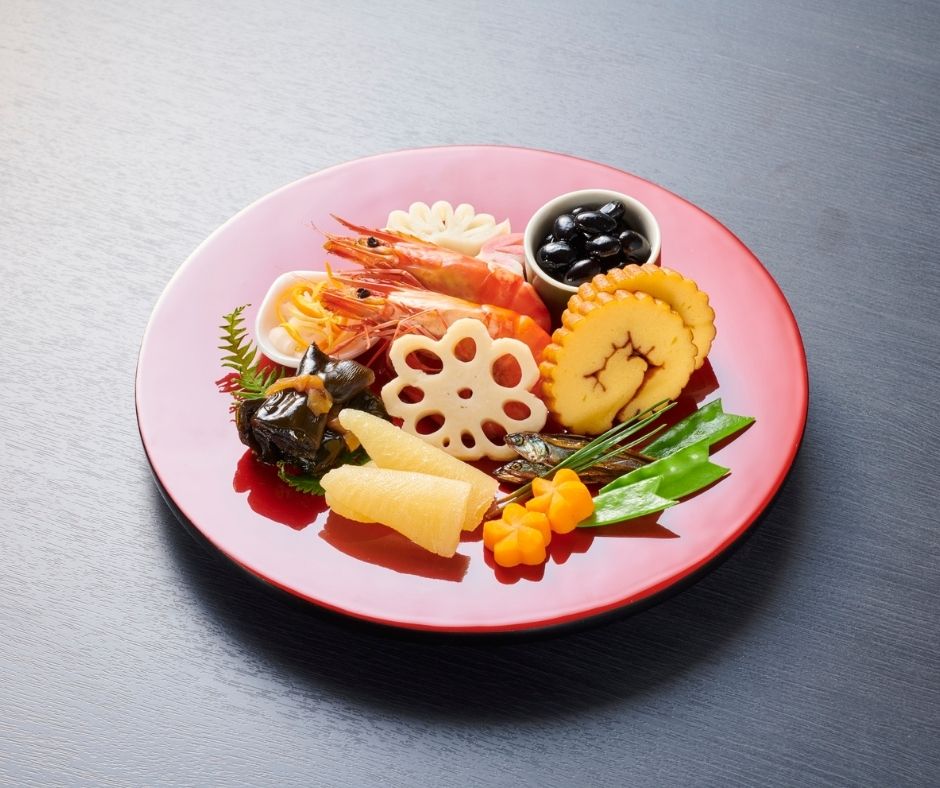
・おせち料理を食べる
おせちは、お正月のとくべつな料理です。
わたしは書き初めをしました!
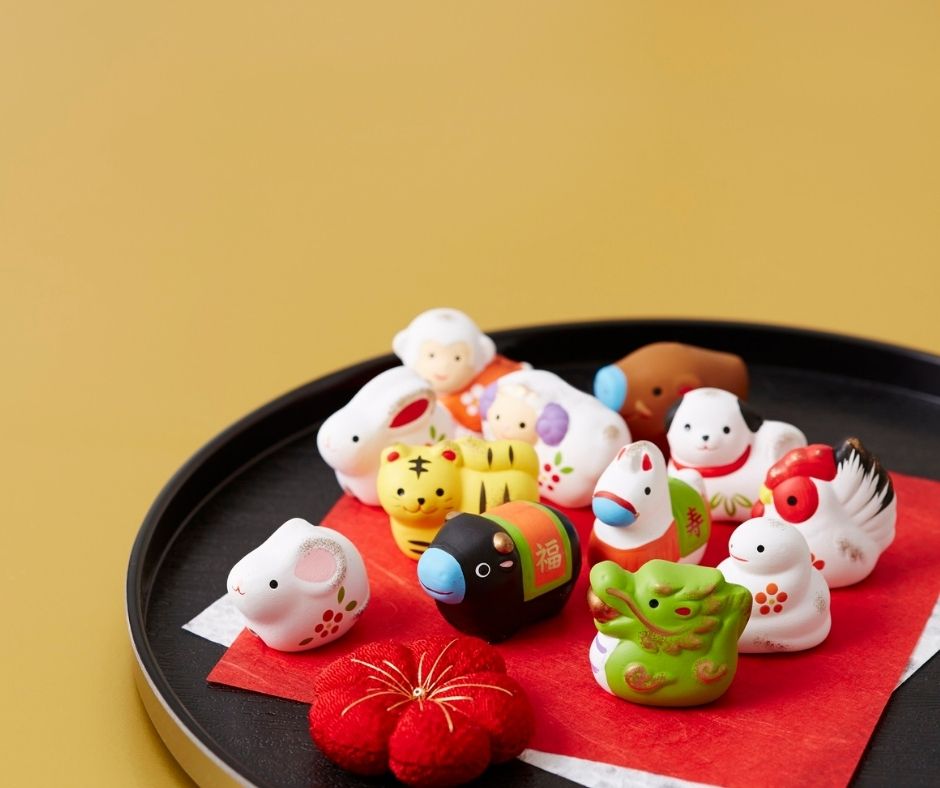
書き初めは、お正月にする書道のことです。毎年、干支の漢字を書いて、祖父母にプレゼントします。今年は午年なので、馬のように元気に走ることをねがって、「馬」 という漢字を書きました🐎
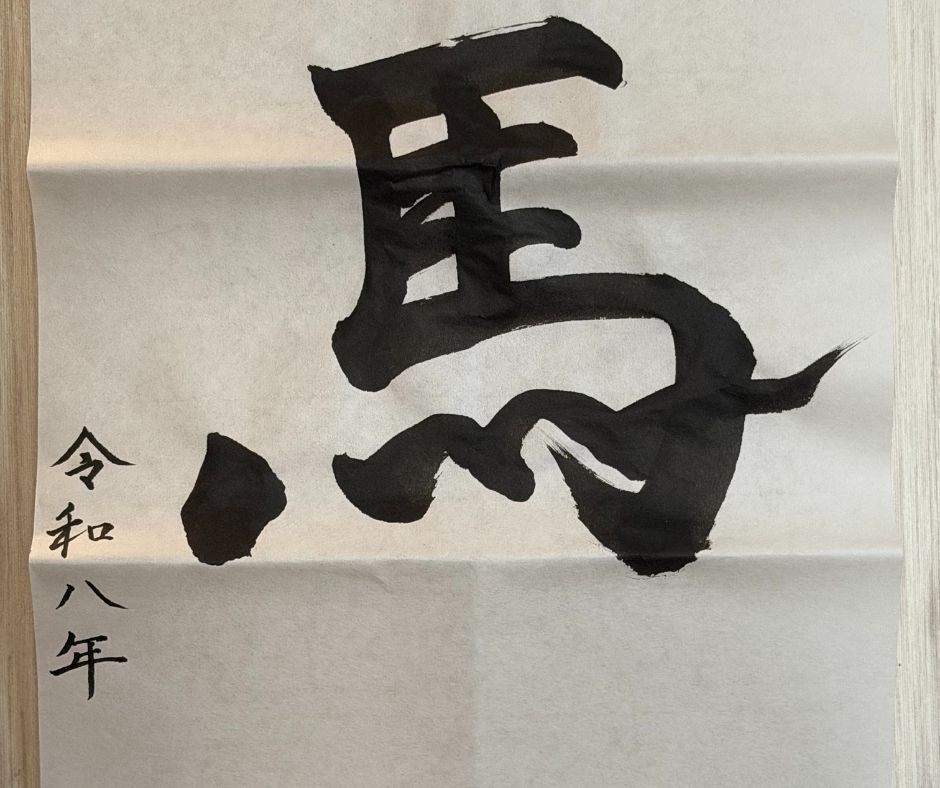
三が日は、新しい一年をきもちよく始めるための時間です。「今年もいい年になりますように」そんなきもちですごします。
三が日を大切にして、新しい一年をスタートします✨
【English Translation】
Happy New Year, everyone! 🎍
I hope you will continue to support me this year!
Today, let’s talk about the Japanese New Year period called “Sanganichi.”
Sanganichi refers to January 1st, 2nd, and 3rd 🗓
In Japan, these three days are considered a very important time.
During Sanganichi, many people spend time relaxing with their families.
Companies and schools are often closed.
People usually do things like this:
- Receiving otoshidama (New Year’s money)
Children receive money from adults. - Going to hatsumoude
People visit shrines or temples to pray for happiness in the new year. - Eating osechi
Osechi is special food eaten during the New Year.
I did kakizome (New Year’s calligraphy)!
Kakizome is calligraphy done during the New Year.
Every year, I write a kanji of the zodiac and give it to my grandparents as a present.
This year is the Year of the Horse, so I wrote the kanji 「馬」 (horse), hoping to be energetic and run forward like a horse 🐎
Sanganichi is a time to start the new year with a good feeling.
With the wish, “I hope this year will be a good one,” we spend these days peacefully.
By valuing Sanganichi, we start a new year ✨
【Vocabulary List】
あけましておめでとうございます – Happy New Year
お正月(おしょうがつ) – New Year period
三が日(さんがにち) – the first three days of the New Year
三日間(みっかかん) – three days
大切(たいせつ) – important
時間(じかん) – time
家族(かぞく) – family
一緒(いっしょ) – together
過ごす(すごす) – to spend (time)
多い(おおい) – many
会社(かいしゃ) – company
学校(がっこう) – school
休み(やすみ) – holiday / break
お年玉(おとしだま) – New Year’s money
もらう – to receive
子ども(こども) – child
大人(おとな) – adult
お金(おかね) – money
初詣(はつもうで) – first shrine/temple visit of the year
神社(じんじゃ) – Shinto shrine
お寺(おてら) – Buddhist temple
幸せ(しあわせ) – happiness
祈る(いのる) – to pray
おせち料理(おせちりょうり) – New Year’s food
特別(とくべつ) – special
書き初め(かきぞめ) – first calligraphy of the year
書道(しょどう) – calligraphy
毎年(まいとし) – every year
干支(えと) – zodiac
漢字(かんじ) – kanji character
書く(かく) – to write
祖父母(そふぼ) – grandparents
午年(うまどし) – Year of the Horse
馬(うま) – horse
元気(げんき) – energetic / healthy
走る(はしる) – to run
願う(ねがう) – to wish / to hope
新しい(あたらしい) – new
気持ち(きもち) – feeling
始める(はじめる) – to start
大切にする(たいせつにする) – to value / take care of
If you want to learn Japanese, improve your skills, or connect with native speakers and other learners, we can help. We offer one-on-one lessons, a supportive community, and on demand courses.
Website: nihongonana.com
Email: support@nihongonana.com
✅Book 1-on-1 lessons: https://nihongonana.com/lessons/
✅Join our community: https://nihongonana.com/community/
✅Access courses: https://nihongonana.com/courses/
Recent Posts
-

Ways to Say “Comfortable”…
April 7, 2026
-
フルーツパーク – Unique Tropical…
April 6, 2026
-

有名 vs 人気 Made…
April 4, 2026
-

在宅勤務 – The Truth…
April 3, 2026
-

The Most Confusing Japanese…
April 2, 2026
Leave Comment