
 December 23, 2025
 No Comments
帰省 – The Ultimate Guide to Japanese Holiday Homecoming
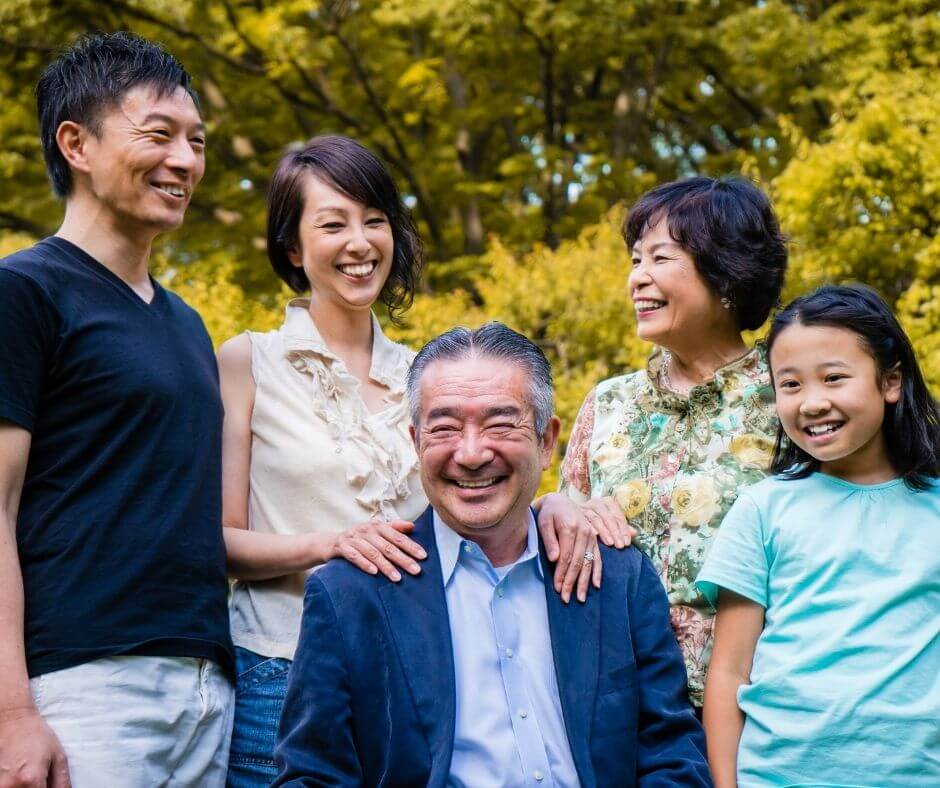
今年もだんだん終わりが近づいてきましたね!大きい休みの日には、日本では「帰省」という文化があります😊帰省とは、家族に会うために実家に帰ることです!
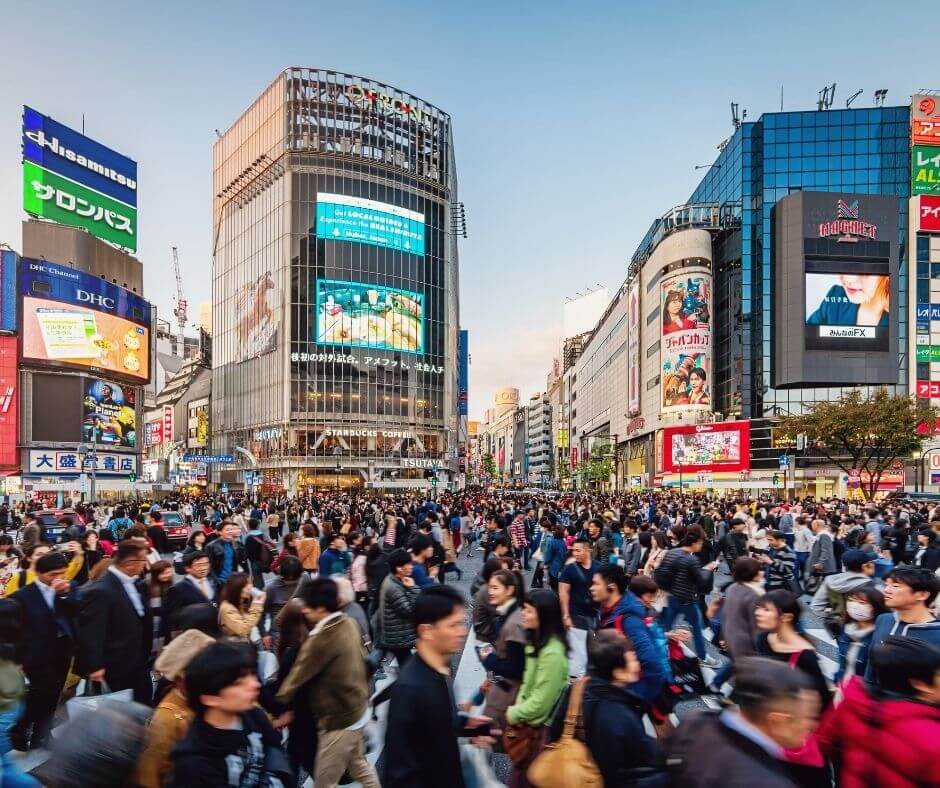
日本に住んでいる人の多くの人が帰省するのは、ゴールデンウイーク、お盆、年末、お正月などです。ゴールデンウイークは5月の初めにある大きい休み、お盆は8月にあってお墓参りをしたり先祖を大切にする時、年末とお正月は一年の終わりと始めを家族と過ごす大切な時です。
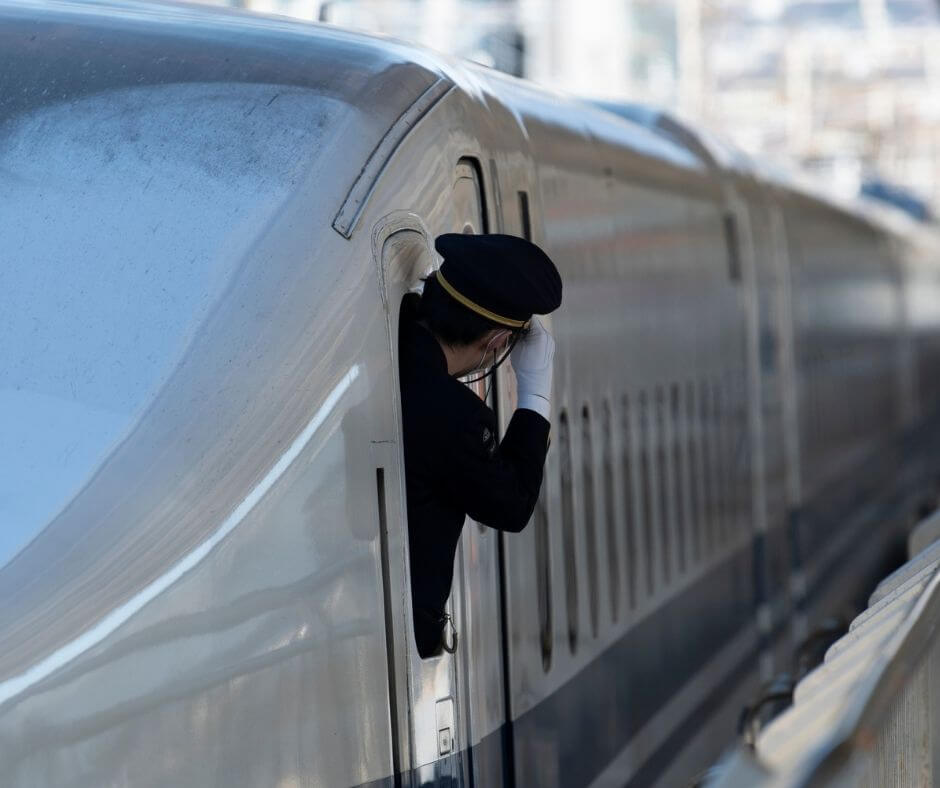
特に、地元から離れている場所に住んでいる人が実家に帰ってくる時期なので、高速道路や新幹線がとても混みます🥺私も今月末に実家に帰る予定ですが早速新幹線を予約しました😆
もし来年日本への旅行を予定している人はこれらの時期はやめたほうがいいかもしれません汗いろいろな場所へ移動するのがいつもより大変かもしれません🫢あまり他の県に行かないで東京など大きい都市にいる人は逆に人が少なくていいかもしれませんが😂
もうホリデーシーズンですね!みなさんハッピーホリデー!
【English Translation】
As the end of the year gradually approaches, there is a cultural practice in Japan called kisei (帰省) during long holidays.
Kisei means returning to your family home to see your family.
In Japan, many people go back to their hometowns during times such as Golden Week, Obon, the end of the year, and New Year’s.
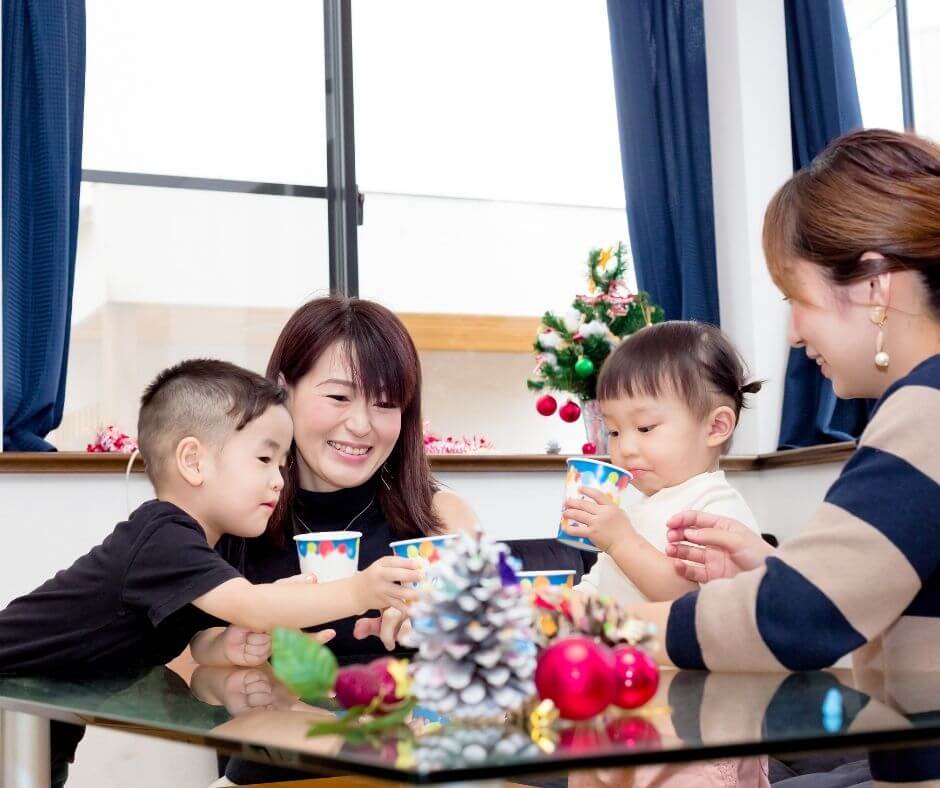
Golden Week is a long holiday in early May. Obon takes place in August and is a time when people visit graves and honor their ancestors. The end of the year and New Year are also very important times to spend with family, marking the end and beginning of a year.
Especially during these periods, many people who live far away from their hometowns return home, so highways and the Shinkansen become extremely crowded.
I’m planning to go back to my parents’ home at the end of this month too, so I’ve already reserved my Shinkansen ticket.
If you’re planning a trip to Japan next year, it might be better to avoid these times.
Moving around to different places can be more difficult than usual.
However, if you stay in big cities like Tokyo and don’t travel to other prefectures, it might actually be nice because there are fewer people.
It’s already the holiday season!
Happy holidays, everyone!
【Vocabulary List】
今年(ことし)— this year
終わり(おわり)— end
近づく(ちかづく)— to approach
大きい休み(おおきいやすみ)— long holiday
帰省(きせい)— returning to one’s hometown
文化(ぶんか)— culture
実家(じっか)— parents’ home
家族(かぞく)— family
住む(すむ)— to live
多くの人(おおくのひと)— many people
ゴールデンウイーク — Golden Week
お盆(おぼん)— Obon holiday
年末(ねんまつ)— end of the year_
お正月(おしょうがつ)— New Year
お墓参り(おはかまいり)— visiting graves
先祖(せんぞ)— ancestors
大切にする(たいせつにする)— to cherish, to value
地元(じもと)— hometown
離れている(はなれている)— far away, separated
高速道路(こうそくどうろ)— highway
新幹線(しんかんせん)— Shinkansen (bullet train)
混む(こむ)— to be crowded
予定(よてい)— plan
予約する(よやくする)— to reserve
旅行(りょこう)— travel
移動する(いどうする)— to move, travel
県(けん)— prefecture
逆に(ぎゃくに)— on the contrary
ホリデーシーズン — holiday season
If you want to learn Japanese, improve your skills, or connect with native speakers and other learners, we can help. We offer one-on-one lessons, a supportive community, and on demand courses.
Website: nihongonana.com
Email: support@nihongonana.com
✅Book 1-on-1 lessons: https://nihongonana.com/lessons/
✅Join our community: https://nihongonana.com/community/
✅Access courses: https://nihongonana.com/courses/
Recent Posts
-

Ways to Say “Comfortable”…
April 7, 2026
-

フルーツパーク – Unique Tropical…
April 6, 2026
-

有名 vs 人気 Made…
April 4, 2026
-

在宅勤務 – The Truth…
April 3, 2026
-

The Most Confusing Japanese…
April 2, 2026
Leave Comment