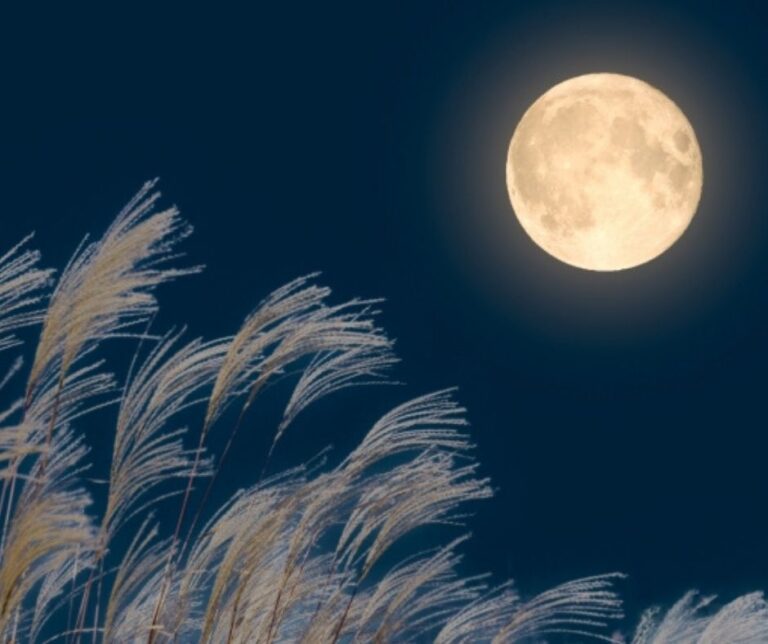

前のブログでも少し話しましたが、秋になると「お彼岸」という行事があります。実は秋だけじゃなくて春にもありますが今年の秋は9月20日から26日まででした!

お彼岸は先祖に感謝する時です。そのためにお墓に行って「お墓参り」をします。お墓参りの時にする習慣がありますのでいくつか紹介しますね🙌
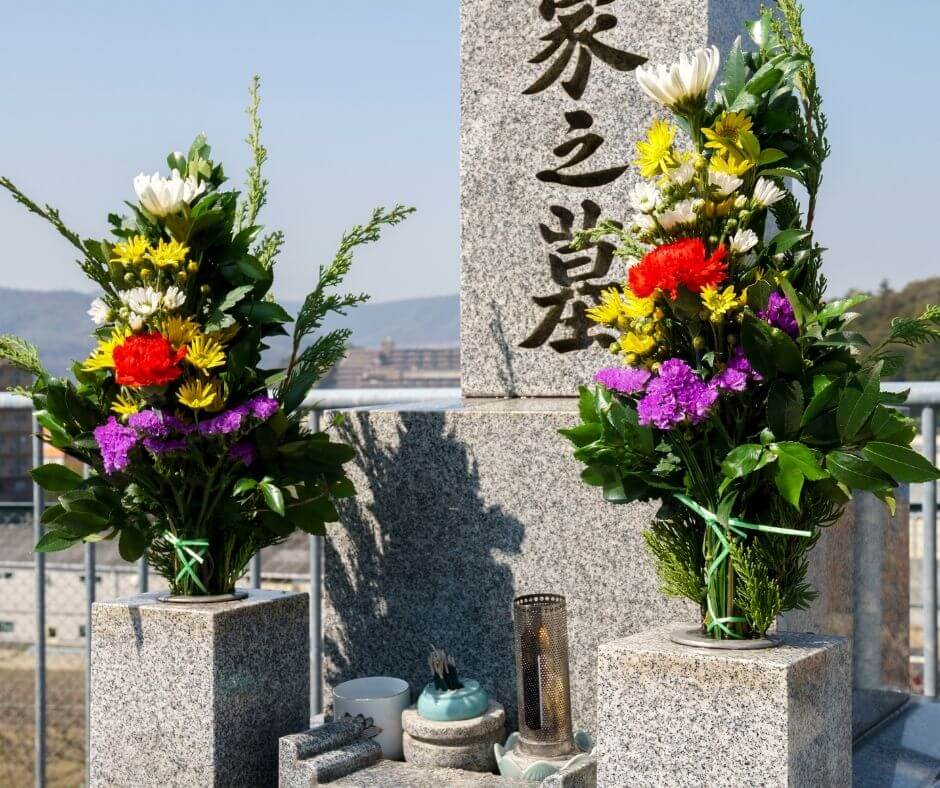
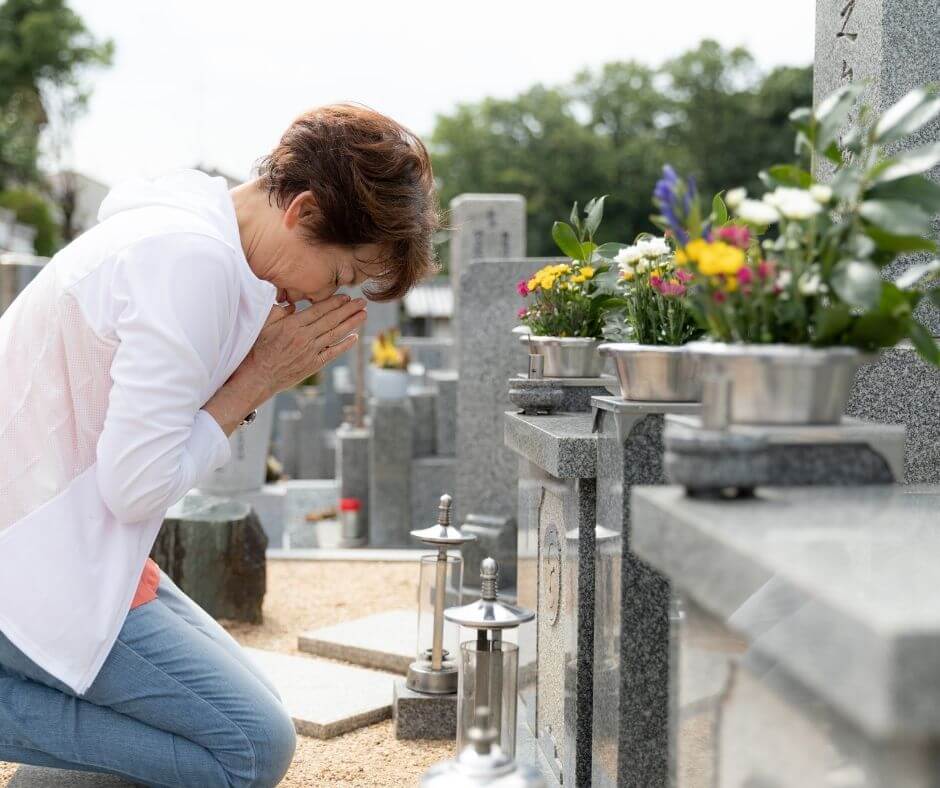
まず墓石を水できれいに洗います。そしてお花を飾ります。世話をするのが大変なのでよく造花を使います。そのあとお線香に火をつけて、手を合わせて感謝の気持ちを伝えます🙏
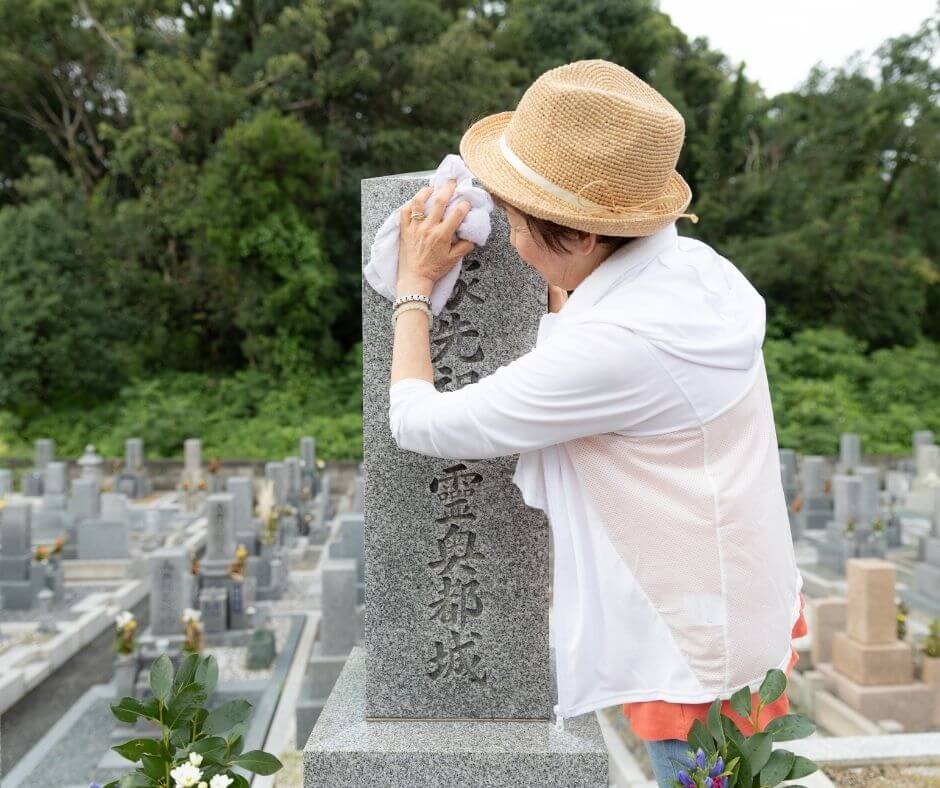
でも正直多くの日本人はあまりたくさんお墓に行かないと思います。お彼岸や8月にあるお盆というお休みの時など特別な時にしか行かない人が増えています😥もっと日常的に行ったほうがいいですよね、どう思いますか?
English Translation
ShowHide
As I mentioned in my previous blog, in autumn there is an event called “Ohigan.” Actually, it is not only in autumn but also in spring. This year’s autumn Ohigan was from September 20th to 26th!
Ohigan is a time to give thanks to our ancestors. For that reason, people go to the graves to do “ohakamairi” (visiting graves). There are some customs when doing ohakamairi, so let me introduce a few.
First, the gravestone is washed clean with water. Then flowers are placed. Since taking care of them can be difficult, artificial flowers are often used. After that, incense sticks are lit, and people put their hands together to express gratitude.
But honestly, I think many Japanese people don’t visit graves very often. More and more people only go during special times like Ohigan or Obon in August. Don’t you think it would be better if we went more regularly in daily life?
Vocabulary List
- 秋あきautumn, fall
- お彼岸おひがんOhigan (Buddhist holiday in spring and autumn)
- 行事ぎょうじevent, occasion
- 春はるspring
- 先祖せんぞancestors
- 感謝かんしゃgratitude, thanks
- お墓おはかgrave
- お墓参りおはかまいりvisiting a grave
- 習慣しゅうかんcustom, practice
- 墓石ぼせきgravestone
- 水みずwater
- 洗うあらうto wash
- お花おはなflowers
- 造花ぞうかartificial flowers
- お線香おせんこうincense sticks
- 火ひfire
- 手を合わせるてをあわせるto put hands together (in prayer)
- 気持ちきもちfeeling, emotion
- 伝えるつたえるto convey, express
- 日本人にほんじんJapanese people
- お盆おぼんObon (Buddhist holiday in August to honor ancestors)
- 特別とくべつspecial
- 日常的にちじょうてきeveryday, regular
- 増えるふえるto increase