

 August 2, 2025
 No Comments
~時(とき): “When Something Happens” in Japanese
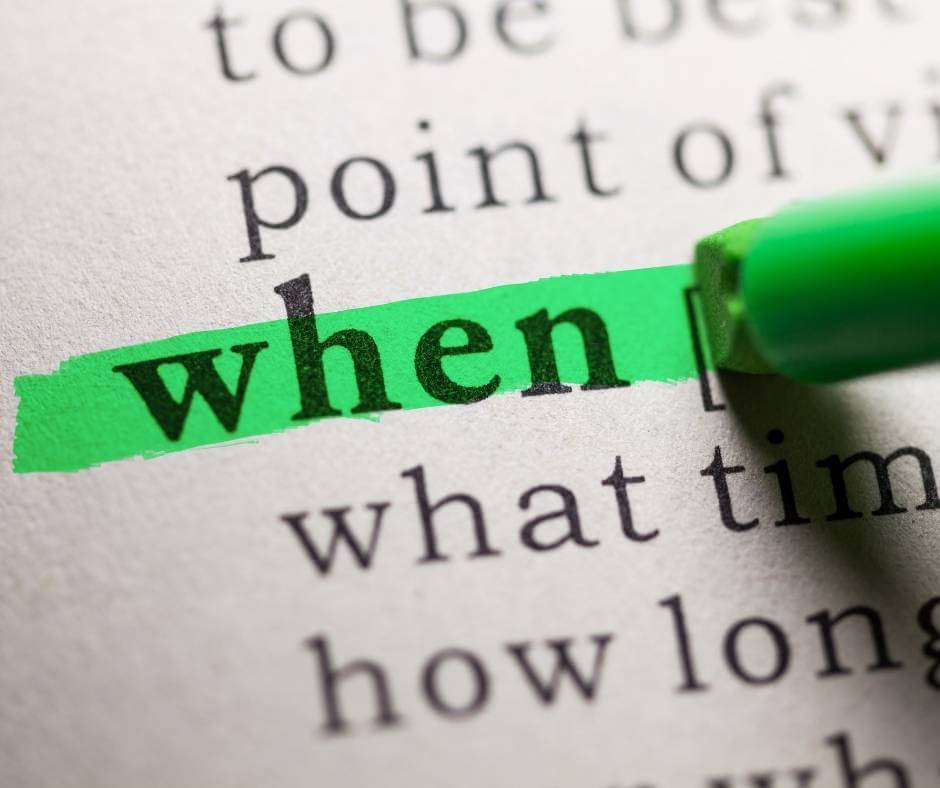
In Japanese, one of the most useful words for talking about “when something happens” is ~時(とき). Whether you’re talking about when you eat, when you were a child, or when you meet friends, とき will be your go-to expression. Let’s break it down and see how to use it naturally.
1. The Basic Meaning of ~時(とき)
とき means “when” or “at the time”.
It connects two parts of a sentence:
[Main action] happens when [another action/event] happens.
In English, we might say:
“When I’m tired, I drink coffee.”
“I met her when I was in college.”
In Japanese, this is expressed using とき after the phrase describing the “when” situation.
2. The Basic Structure
Verb in plain form + とき
い-adjective + とき
な-adjective + な + とき
Noun + の + とき
3. Examples by Form
A. With Verbs
- Present/Future
- 家にいるとき、本を読みます。
When I’m at home, I read books.
- 家にいるとき、本を読みます。
- Past
- 日本へ行ったとき、たくさん写真を撮りました。
When I went to Japan, I took many pictures.
- 日本へ行ったとき、たくさん写真を撮りました。
B. With い-Adjectives
- 暑いとき、水をたくさん飲みます。
When it’s hot, I drink a lot of water.
C. With な-Adjectives
- 元気なとき、よく散歩します。
When I’m feeling energetic, I take walks often.
D. With Nouns
- 子どものとき、よく公園で遊びました。
When I was a child, I often played in the park.
4. Choosing the Right Tense Before とき
The form before とき changes depending on whether the action is happening before or after the main event.
- Present form before とき → The “when” action happens at the same time as the main action.
- 眠いとき、コーヒーを飲みます。
When I’m sleepy, I drink coffee.
- 眠いとき、コーヒーを飲みます。
- Past form before とき → The “when” action happened before the main action.
- 眠かったとき、コーヒーを飲みました。
When I was sleepy, I drank coffee.
- 眠かったとき、コーヒーを飲みました。
5. Common Mistakes
- Forgetting the right particle for nouns/adjectives
❌ 子どもとき
✅ 子どものとき - Mixing up past and present forms
“When I went to Japan” = いったとき (past form)
“When I go to Japan” = いくとき (present form)
6. More Natural Examples
- 日本に行くとき、パスポートを忘れないでください。
When you go to Japan, don’t forget your passport. - パーティーのとき、赤いドレスを着ました。
At the time of the party, I wore a red dress. - 雨のとき、外で遊びません。
When it rains, I don’t play outside. - 忙しいとき、メールを返せません。
When I’m busy, I can’t reply to emails.
7. Quick Recap
とき = “when” or “at the time”
Attach directly after a verb/adjective/noun (with の or な when needed)
Use present form before とき for simultaneous actions, past form for earlier events
Works for both talking about the present/future and the past
8. Practice Challenge 🎯
Try making your own sentences using とき for these situations:
- “When I’m tired, I …”
- “When I was a student, I …”
- “When it’s cold, I …”
Write them down and check if you used the right form before とき.words? Feel free to leave us questions in the comment section if you have any!
If you want to learn Japanese, improve your skills, or connect with native speakers and other learners, we can help. We offer one-on-one lessons, a supportive community, and on demand courses.
Website: nihongonana.com
Email: support@nihongonana.com
✅Book 1-on-1 lessons: https://nihongonana.com/lessons/
✅Join our Speaking Club: https://nihongonana.com/community/
✅Join our Course Waitlist: https://nihongonana.com/courses/
Recent Posts
-
What Is a Hanko?…
October 20, 2026
-

How to Express “In…
October 19, 2026
-

Izakaya Culture in Japan:…
October 17, 2026
-

How to Say “Convenient”…
October 16, 2026
-

Tired of Japanese Learning…
October 15, 2026
Leave Comment