
 February 4, 2026
 No Comments
歌舞伎: A Beautiful Theater That Fascinates Japan
歌舞伎とは?
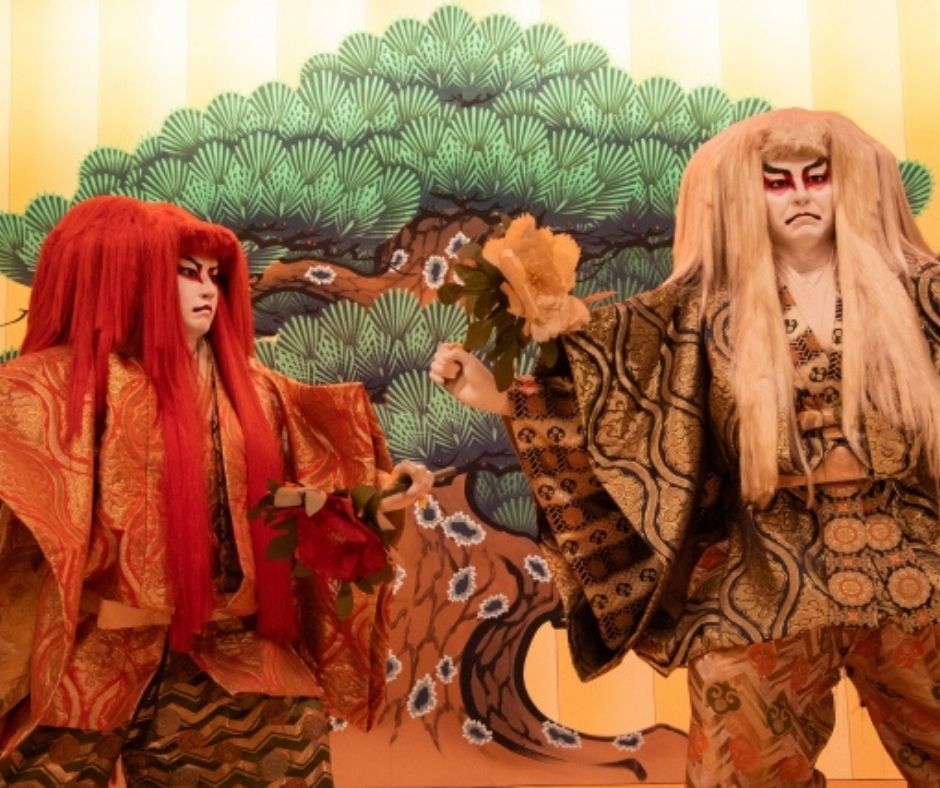
歌舞伎は、日本の伝統的な演劇です。
約400年前から、今まで続いています。
歌舞伎は、江戸時代に始まりました。
最初は、京都で踊りを見せたのが、はじまりです。だんだん人気になり、日本中に広がりました。
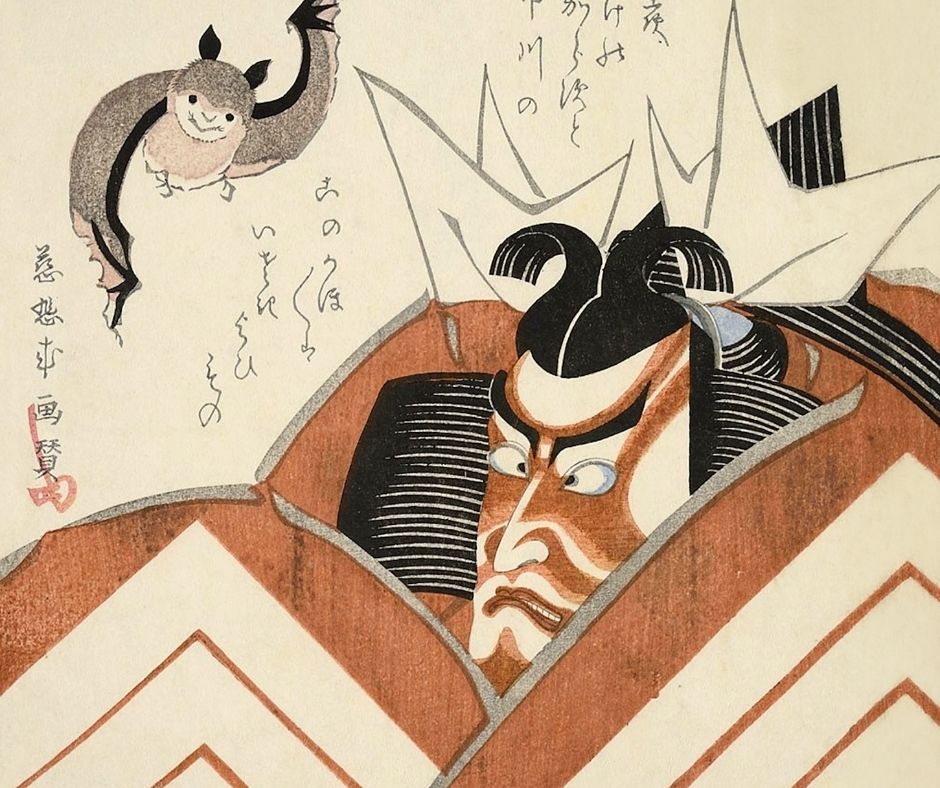
歌舞伎には、いくつかの大きなとくちょうがあります。
・男の人だけが出ます
・女の役も、男の人がします
・白や赤の化粧をします
・きれいな着物を着ます
話は、昔の日本や、恋、家族の話が多いです。

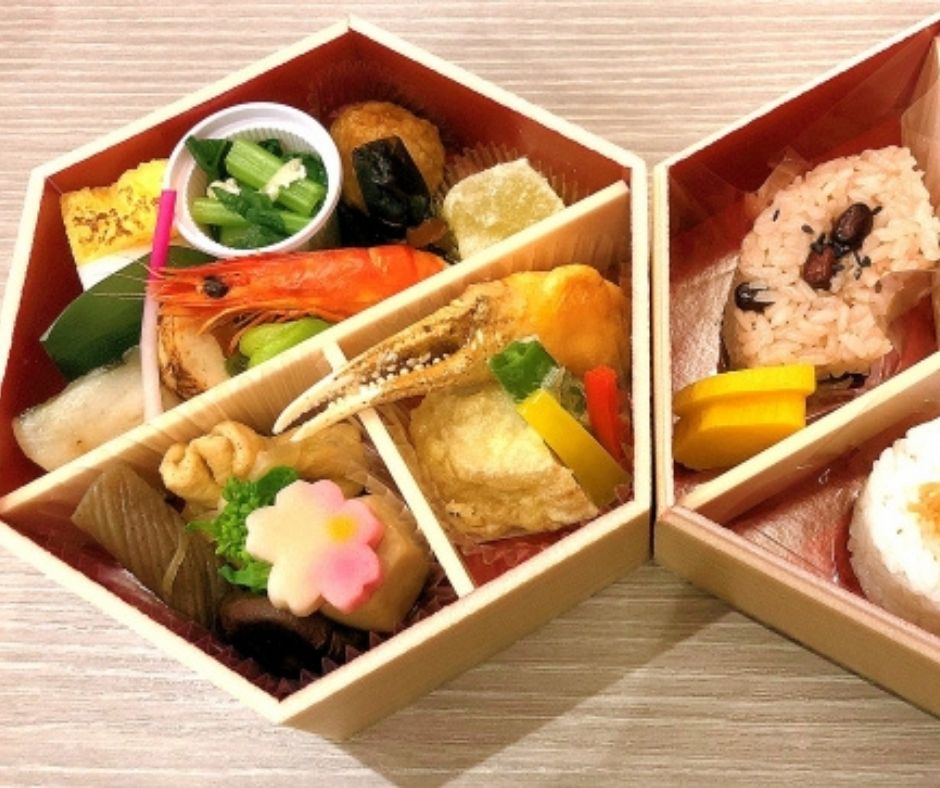
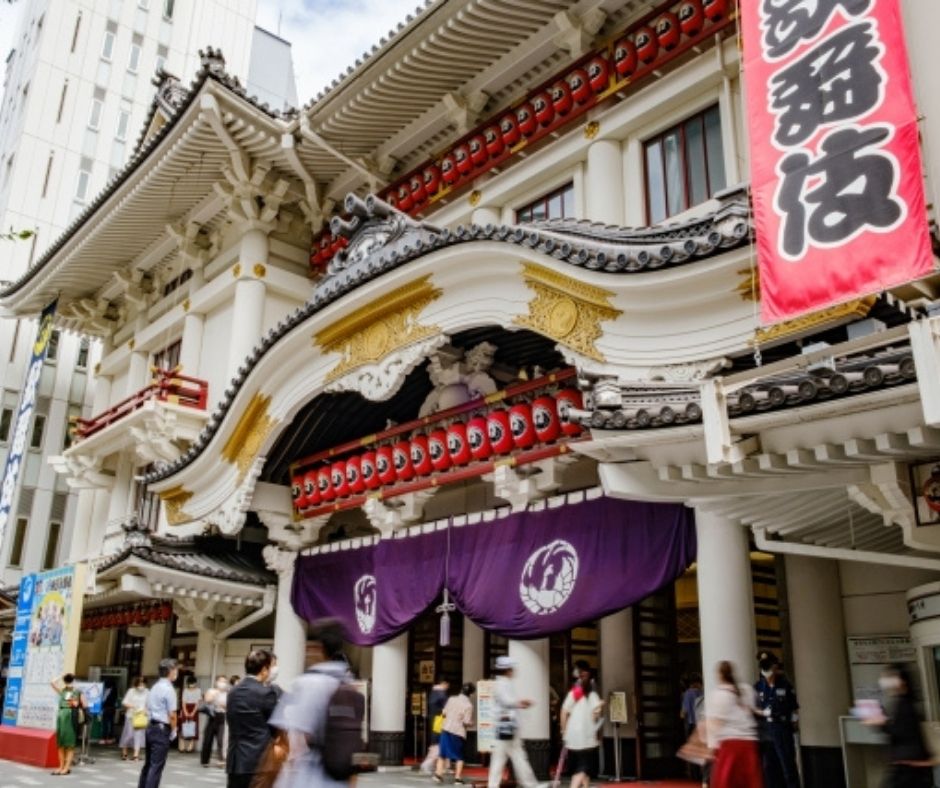
劇場では、劇を見るだけではありません。
「幕の内弁当」というお弁当や、
「歌舞伎揚」というおかしもあります。
歌舞伎を見るとき、
食べ物を食べるのも楽しみのひとつです。
歌舞伎は、日本の大切な文化です。
むずかしそうに見えますが、見てみるととてもおもしろいです。
日本に来たら、ぜひ一度歌舞伎を見てみてください!
https://www.kabukiweb.net/
【English Translation】
What Is Kabuki?
Kabuki is a traditional Japanese form of theater.
It has continued for about 400 years until today.
Kabuki began in the Edo period.
At first, it started with dances performed in Kyoto.
Little by little, it became popular and spread all over Japan.
Kabuki has several main features.
- Only men appear on stage
- Men also play women’s roles
- Actors wear white and red makeup
- They wear beautiful traditional costumes
The stories are often about old Japan, love, and family.
At the theater, you can enjoy more than just the play.
There are boxed meals called makunouchi bento
and snacks called kabuki-age.
When watching Kabuki,
enjoying the food is also one of the fun parts.
Kabuki is an important part of Japanese culture.
It may look difficult, but when you watch it, it is very interesting.
If you come to Japan,
please try to watch Kabuki at least once!
【Vocabulary List】
歌舞伎(かぶき) – Kabuki
伝統的(でんとうてき) – traditional
演劇(えんげき) – theater / play
約(やく) – about / approximately
続く(つづく) – to continue
江戸時代(えどじだい) – Edo period
始まる(はじまる) – to begin
京都(きょうと) – Kyoto
踊り(おどり) – dance
人気(にんき) – popularity
広がる(ひろがる) – to spread
日本中(にほんじゅう) – all over Japan
特徴(とくちょう) – feature / characteristic
男の人(おとこのひと) – man
女の役(おんなのやく) – female role
化粧(けしょう) – makeup
着物(きもの) – kimono
昔(むかし) – long ago / old times
恋(こい) – love
家族(かぞく) – family
劇場(げきじょう) – theater building
幕の内弁当(まくのうちべんとう) – boxed meal (bento)
歌舞伎揚(かぶきあげ) – kabuki-style rice cracker
文化(ぶんか) – culture
大切(たいせつ) – important
If you want to learn Japanese, improve your skills, or connect with native speakers and other learners, we can help. We offer one-on-one lessons, a supportive community, and on demand courses.
Website: nihongonana.com
Email: support@nihongonana.com
✅Book 1-on-1 lessons: https://nihongonana.com/lessons/
✅Join our community: https://nihongonana.com/community/
✅Access courses: https://nihongonana.com/courses/
Recent Posts
-

Popular Anime in Japan:…
August 12, 2026
-

How to Say “I’m…
August 11, 2026
-

Japan’s Biggest Music Festivals…
August 10, 2026
-

どうして vs なんで vs…
August 8, 2026
-

The Best Foods to…
August 7, 2026
Leave Comment