
 March 31, 2026
 No Comments
年度末 : Busiest Important Time of the Year in Japan
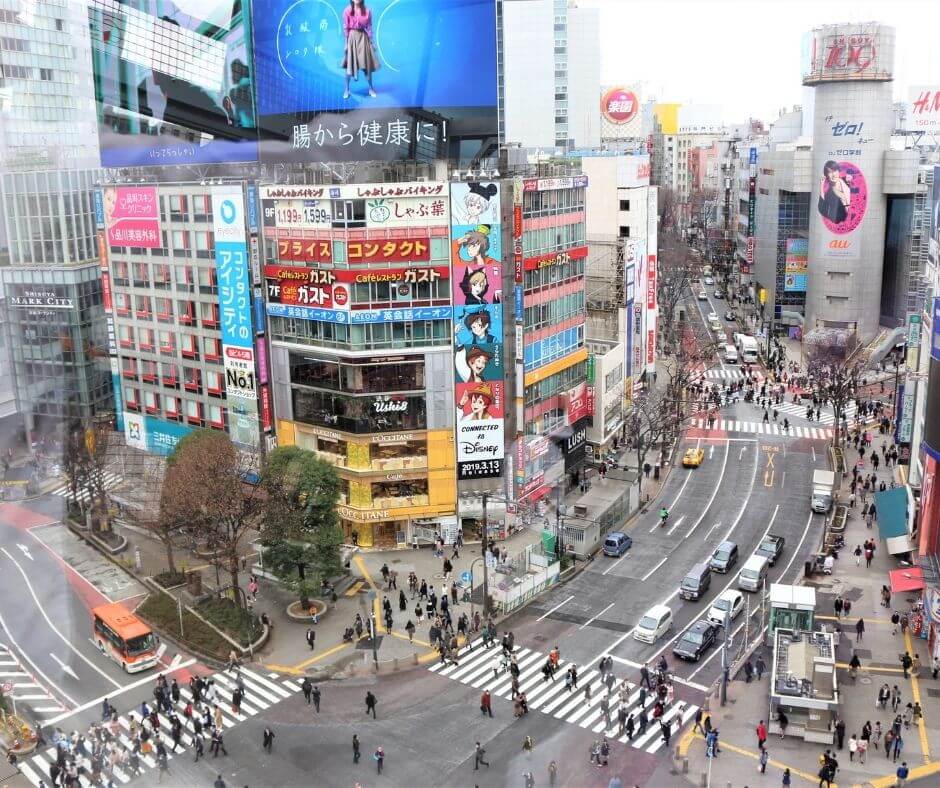
1年は1月から12月ですよね!でも日本では「年度」もあります😊「年度」は4月から3月までです。学校や会社の1年は大体みんな同じタイミングで始まるんですよね🙌そして今日は特に「年度末」について話したいと思います!

「年度末」の「末」は「終わり」という意味です。日本では多くの場合、4月に新しい年度が始まるので、3月が年度末になります🙏年度末はとても大事な時期で、この時期はとても忙しくなります汗 私も前は大学で働いていたんですが、この時期はとても忙しかったです😆
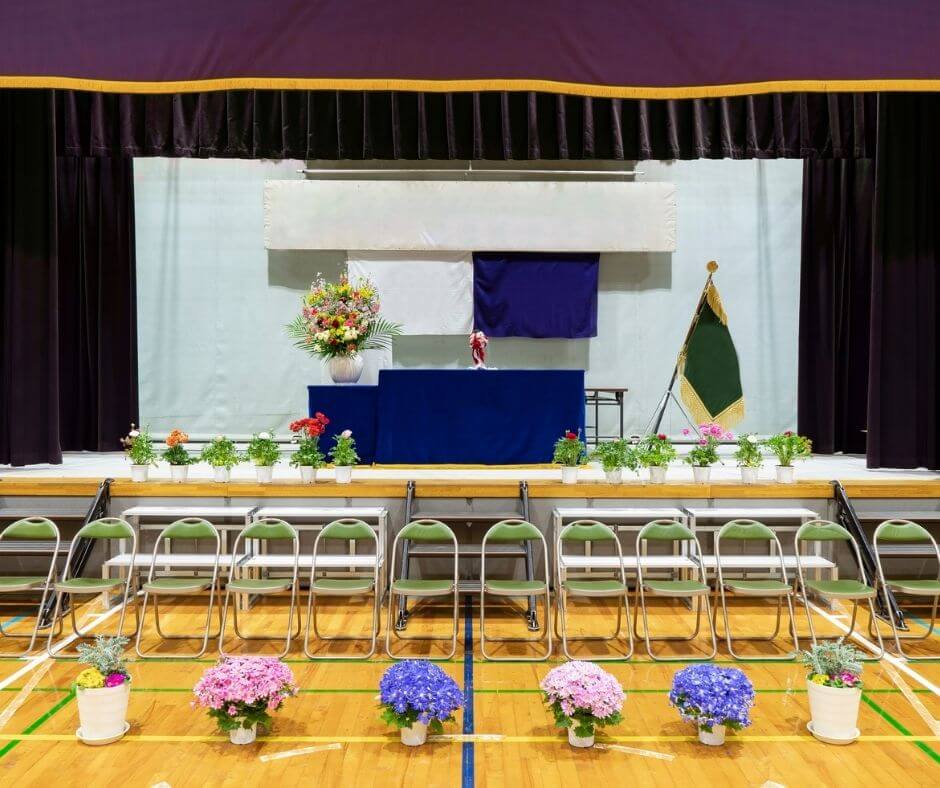
学校では卒業式があり、学生は友だちや先生とお別れをします。お別れは本当に苦手です… 私は全ての卒業式で泣きました😂そして新生活の準備が始まり、他の県に引っ越す人がとても多くなります。日本で引っ越したい人は3月~4月は避けたほうがいいですよ🫨とても高くなるので🫢

会社でも、仕事のまとめや引き継ぎがあります。異動や転職で環境が変わる人も本当に多いです!日本の年度末は「終わり」と「始まり」が一緒に来る特別な時期で、少しさびしいですが、新しい出会いもあるので楽しみでもありますね!

【English Translation】
A year usually runs from January to December, right? But in Japan, there is also something called a “fiscal/academic year” (nendo). The nendo goes from April to March. In schools and companies, the year usually starts at the same time for everyone. Today, I want to talk about the “end of the fiscal year” (nendomatsu)!
The word 「末」 in 「年度末」 means “end.” In Japan, since the new year starts in April, March becomes the end of the fiscal year. It’s a very important time, and it also gets very busy. I used to work at a university, and this season was always extremely busy for me.
At schools, there are graduation ceremonies, and students say goodbye to their friends and teachers. I’m really not good at goodbyes… I cried at every graduation ceremony. After that, people start preparing for a new life, and many move to different prefectures. If you’re planning to move in Japan, it’s better to avoid March to April because prices get very high.
At companies, there is also a lot of wrapping up work and handing things over. Many people change positions or jobs, so their environment changes as well. The end of the fiscal year in Japan is a special time when both “endings” and “beginnings” come together. It can feel a little sad, but it’s also exciting because of the new encounters ahead.
【Vocabulary List】
年度末(ねんどまつ) – end of the fiscal/academic year
年度(ねんど) – fiscal/academic year
時期(じき) – period, time
場合(ばあい) – case
始まる(はじまる) – to start
終わる(おわる) – to end
忙しい(いそがしい) – busy
大学(だいがく) – university
働く(はたらく) – to work
特に(とくに) – especially
卒業式(そつぎょうしき) – graduation ceremony
学生(がくせい) – student
先生(せんせい) – teacher
友だち(ともだち) – friend
お別れ(おわかれ) – farewell
苦手(にがて) – not good at
泣く(なく) – to cry
準備(じゅんび) – preparation
新生活(しんせいかつ) – new life
引っ越す(ひっこす) – to move
県(けん) – prefecture
避ける(さける) – to avoid
高くなる(たかくなる) – to become expensive
会社(かいしゃ) – company
仕事(しごと) – work
まとめ – summary, wrapping up
引き継ぎ(ひきつぎ) – handover
異動(いどう) – transfer
転職(てんしょく) – job change
環境(かんきょう) – environment
特別(とくべつ) – special
一緒に(いっしょに) – together
始まり(はじまり) – beginning
終わり(おわり) – ending
さびしい – lonely, sad
出会い(であい) – encounter
楽しみ(たのしみ) – something to look forward to
If you want to learn Japanese, improve your skills, or connect with native speakers and other learners, we can help. We offer one-on-one lessons, group courses and a supportive community!
Website: nihongonana.com
Email: support@nihongonana.com
✅Private Lesson: NihongoNana Private Lessons
✅Group Courses: NihongoNana Courses
✅Online Community: NihongoNana Community
Recent Posts
-

Popular Anime in Japan:…
August 12, 2026
-

How to Say “I’m…
August 11, 2026
-

Japan’s Biggest Music Festivals…
August 10, 2026
-
どうして vs なんで vs…
August 8, 2026
-
The Best Foods to…
August 7, 2026
Leave Comment