

 July 10, 2026
 No Comments
The Truth About Natto: Japan’s Most Controversial Food
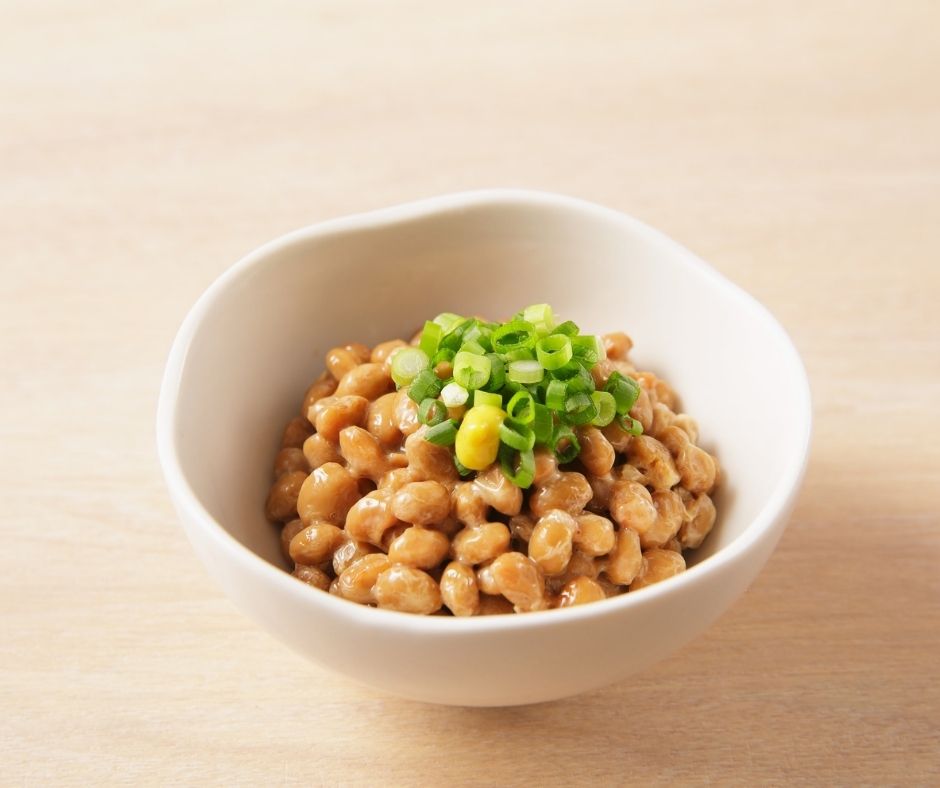
今日、7月10日は「納豆の日」です!「なっ(7)とう(10)」の語呂合わせから、この日になりました🗓納豆は日本ではとても人気がありますが、好きな人も、苦手な人もいます。においやネバネバが苦手な外国人も多いですね😖ちなみに、私は納豆が大好きです🫶

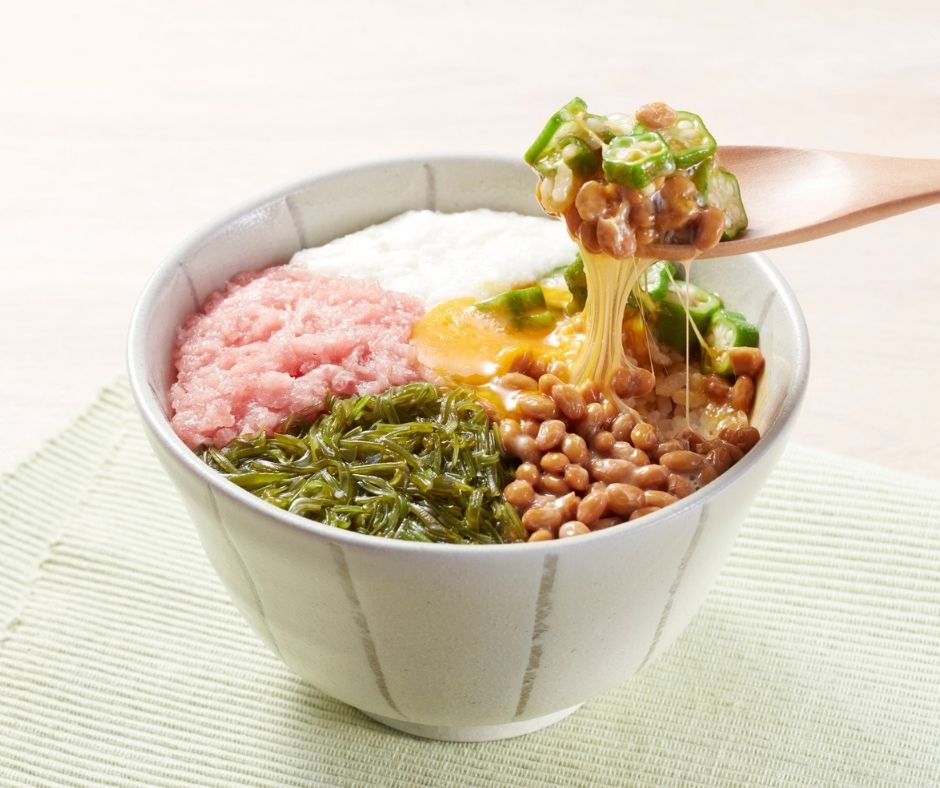
納豆は大豆から作る食べ物です。大豆を発酵させて作ります。ネバネバしていて、糸をひきます。においも強いので、「くさい」と思う人もいます😵でも、納豆は体にとてもいい食べ物です。たんぱく質やビタミンがたくさん入っています。
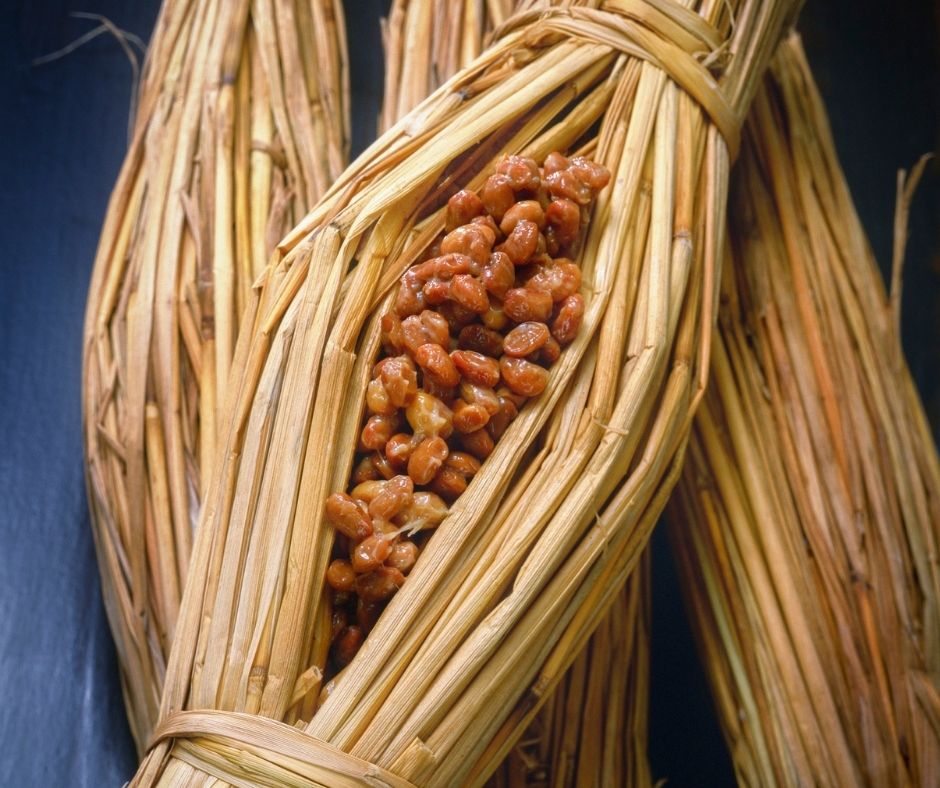
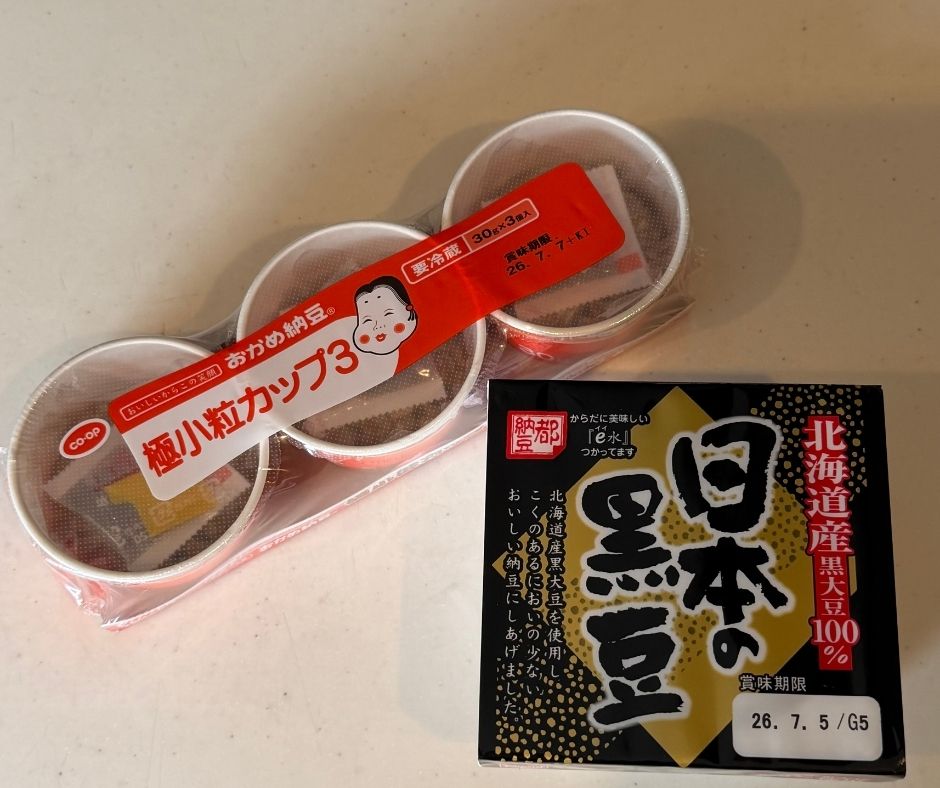
納豆には、いろいろな種類があります。「大粒」「小粒」「ひきわり」などがあり、豆の大きさがちがいます🫘スーパーには、たくさんの種類の納豆が売っています。おすし屋さんやコンビニでは「納豆巻き」も買うことができます。また、納豆は茨城県が有名です☝️
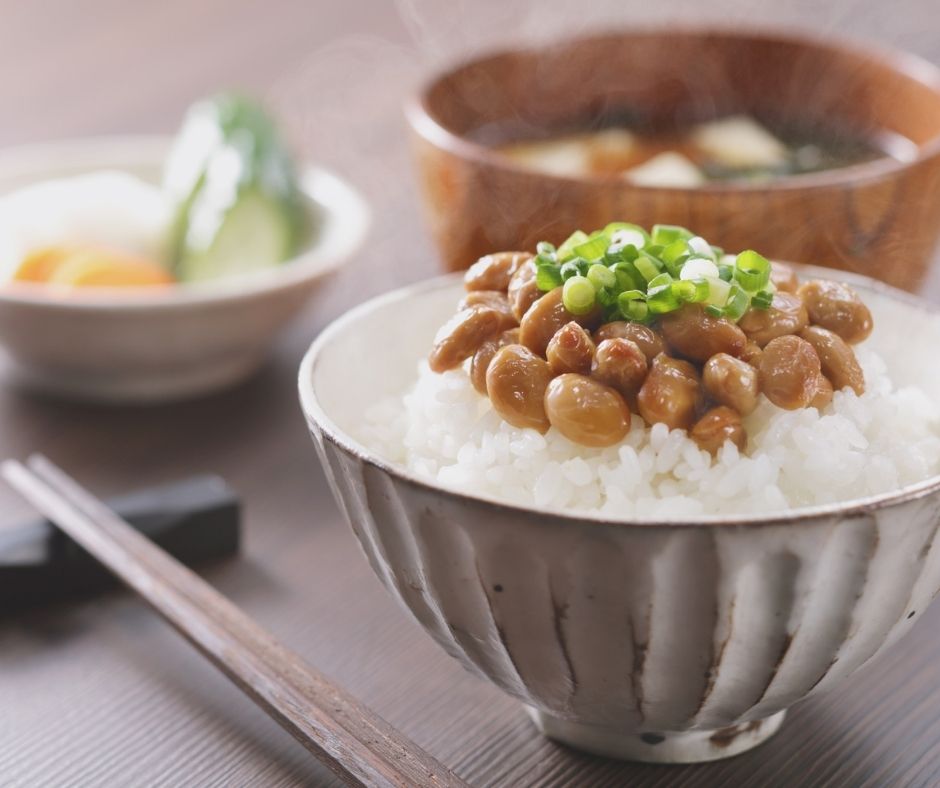
日本では、朝ごはんに納豆を食べる人がたくさんいます🍚あたたかいごはんにのせて、たれやからしを入れ、よくまぜて食べます。ねぎやたまごを入れる人もいます。私のおすすめは、シンプルに塩で食べることです!🧂
納豆は、好きな人も、苦手な人もいる、とてもおもしろい食べ物です。日本でいちばん意見が分かれる食べ物のひとつかも🤔まだ食べたことがない人は、ぜひ一度チャレンジしてみてくださいね🙌
【English Translation】
Today, July 10, is Natto Day in Japan!
The date comes from a Japanese wordplay: “na (7) – to (10).”
Natto is a very popular food in Japan, but people tend to either love it or hate it. Many foreigners aren’t fans of its strong smell or sticky texture. As for me, I absolutely love natto!
Natto is made from soybeans. The soybeans are fermented, giving natto its unique sticky, stringy texture. It also has a strong smell, so some people think it smells bad. However, natto is very healthy and is packed with protein and vitamins.
There are several different types of natto, including large beans (ōtsubu), small beans (kotsubu), and hikiwari, which is made from chopped soybeans. Japanese supermarkets sell many different kinds of natto, and you can also find natto rolls (nattō-maki) at sushi restaurants and convenience stores. Ibaraki Prefecture is especially famous for its natto.
Many Japanese people eat natto for breakfast. It’s usually served over a bowl of warm rice with the included sauce and Japanese mustard, then mixed well before eating. Some people also add green onions or a raw egg. My favorite way to eat it is simply with a little salt.
Natto is a fascinating food that people either love or dislike. It may be one of the most divisive foods in Japan. If you’ve never tried it before, I hope you’ll give it a chance!
【Vocabulary List】
納豆(なっとう) – natto (fermented soybeans)
語呂合わせ(ごろあわせ) – wordplay; number pun
人気(にんき) – popularity; popular
好き(すき) – to like
苦手(にがて) – to dislike; not be good at
外国人(がいこくじん) – foreigner
ちなみに – by the way
大豆(だいず) – soybean
食べ物(たべもの) – food
作る(つくる) – to make
発酵する(はっこうする) – to ferment
ネバネバ – sticky
糸をひく(いとをひく) – to become stringy
におい – smell
くさい – smelly
体にいい(からだにいい) – good for your health
たんぱく質(たんぱくしつ) – protein
ビタミン – vitamin
種類(しゅるい) – type; variety
大粒(おおつぶ) – large beans
小粒(こつぶ) – small beans
ひきわり – chopped natto
豆(まめ) – bean
大きさ(おおきさ) – size
売る(うる) – to sell
おすし屋さん – sushi restaurant
納豆巻き(なっとうまき) – natto sushi roll
茨城県(いばらきけん) – Ibaraki Prefecture
有名(ゆうめい) – famous
朝ごはん(あさごはん) – breakfast
のせる – to put on top
たれ – sauce
からし – Japanese mustard
まぜる – to mix
ねぎ – green onion
たまご – egg
おすすめ – recommendation
塩(しお) – salt
意見(いけん) – opinion
分かれる(わかれる) – to be divided
一度(いちど) – once
チャレンジする – to give it a try
If you want to learn Japanese, improve your skills, or connect with native speakers and other learners, we can help. We offer one-on-one lessons and a supportive community!
Website: nihongonana.com
Email: support@nihongonana.com
✅Private Lesson: NihongoNana Private Lessons
✅Online Community: NihongoNana Community
Recent Posts
-

Japanese School System and…
October 12, 2026
-

6 Beautiful Japanese Phrases…
October 10, 2026
-

The Japanese Custom That…
October 9, 2026
-

How to Say “Maybe”…
October 8, 2026
-

The Fascinating World of…
October 7, 2026
Leave Comment