
 July 25, 2026
 No Comments
This is How to Survive Scorching Summer in Japan: Unagi
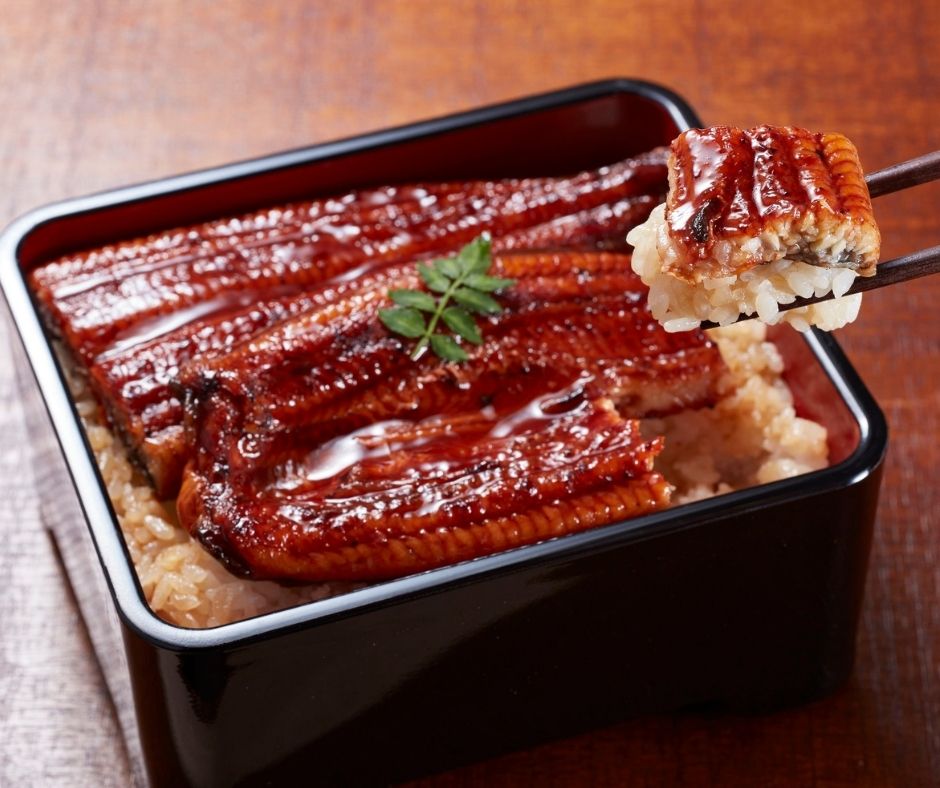
夏になると、日本では「土用の丑の日」という日があります🌞 この日は、うなぎを食べる習慣があることで有名です😊 スーパーやコンビニでは、うなぎのお弁当やかば焼きがたくさん並び、多くの人が買いに来ます!毎年ニュースでも紹介されるので、日本ではとてもよく知られている夏の行事です📺
「土用」は、季節が変わる前の約18日間のことです。「丑の日」は、昔のカレンダーで決まる日の名前です📅 そのため、「土用の期間にある丑の日」という意味になります。毎年日にちは違いますが、7月の終わりごろになることが多いです。

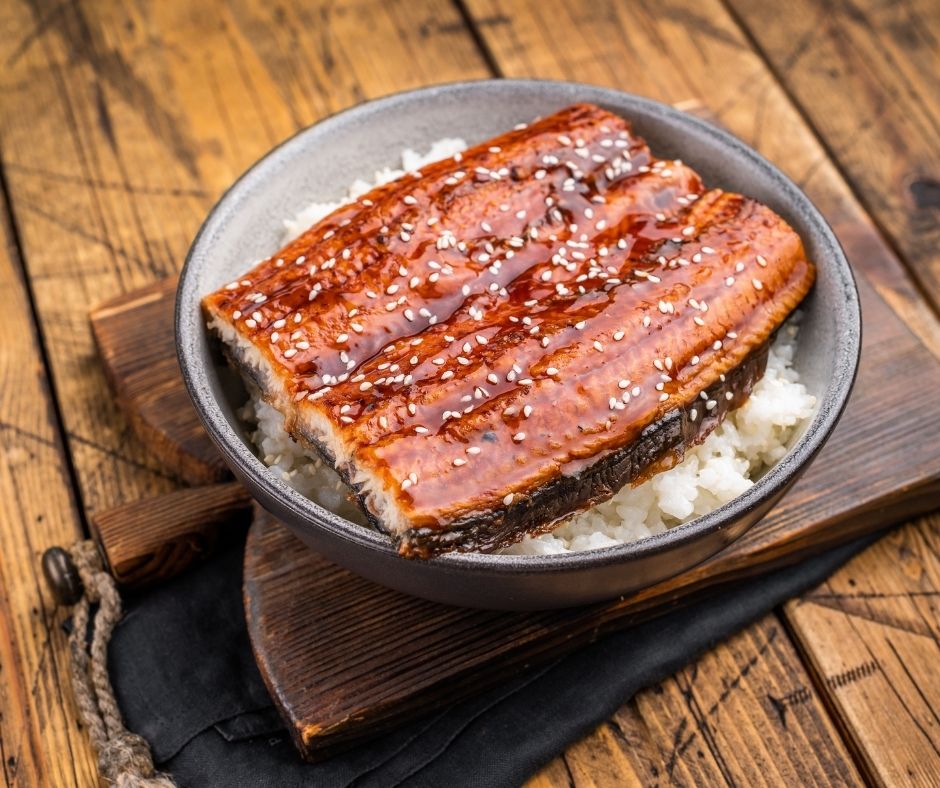
どうしてうなぎを食べるようになったのでしょうか🤔 昔の日本では、暑い夏になると食欲がなくなり、体力が落ちる人がたくさんいました🥵 うなぎは栄養がたくさんあるので、「夏を元気に過ごすために食べよう」と考えられるようになりました💪
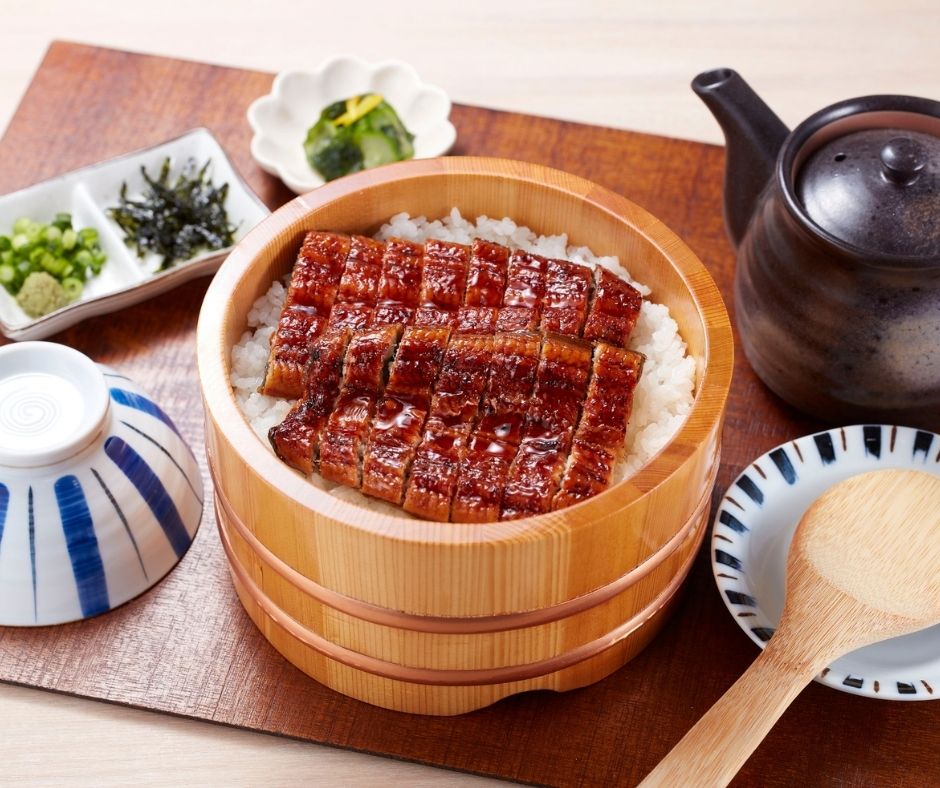
最近はうなぎの値段が高くなったため、毎年食べない人も増えています💰 その代わりに、牛肉やうどん、梅干しなど、「う」で始まる食べ物を食べる人もいます😄 みなさんの国にも、特別な日に決まった食べ物を食べる習慣がありますか?ぜひ教えてくださいね!💕
【English Translation】
When summer arrives, Japan has a special day called Doyo no Ushi no Hi (the Day of the Ox). This day is famous for the tradition of eating unagi (eel). At supermarkets and convenience stores, you can find many unagi lunch boxes and grilled eel, and lots of people come to buy them. It is even featured on the news every year, so it is a very well-known summer tradition in Japan.
“Doyo” refers to the approximately 18-day period before the change of a season. “Day of the Ox” is the name of a day based on the old Japanese calendar. So, Doyo no Ushi no Hi means “the Day of the Ox that falls during the Doyo period.” The exact date changes every year, but it is usually around the end of July.
Why did people start eating unagi on this day? Long ago in Japan, many people lost their appetite and became tired during the hot summer. Since unagi is very nutritious, people came to believe that eating it would help them stay healthy and energetic throughout the summer.
Recently, the price of unagi has become quite high, so more people choose not to eat it every year. Instead, some people eat foods that start with the sound “u,” such as beef, udon, or pickled plums. Does your country have a tradition of eating a special food on a particular day? Let us know in the comments!
【Vocabulary List】
土用の丑の日(どようのうしのひ)– Day of the Ox (Doyo no Ushi no Hi)
うなぎ – eel
習慣(しゅうかん)– custom, tradition
有名(ゆうめい)– famous
お弁当(おべんとう)– lunch box
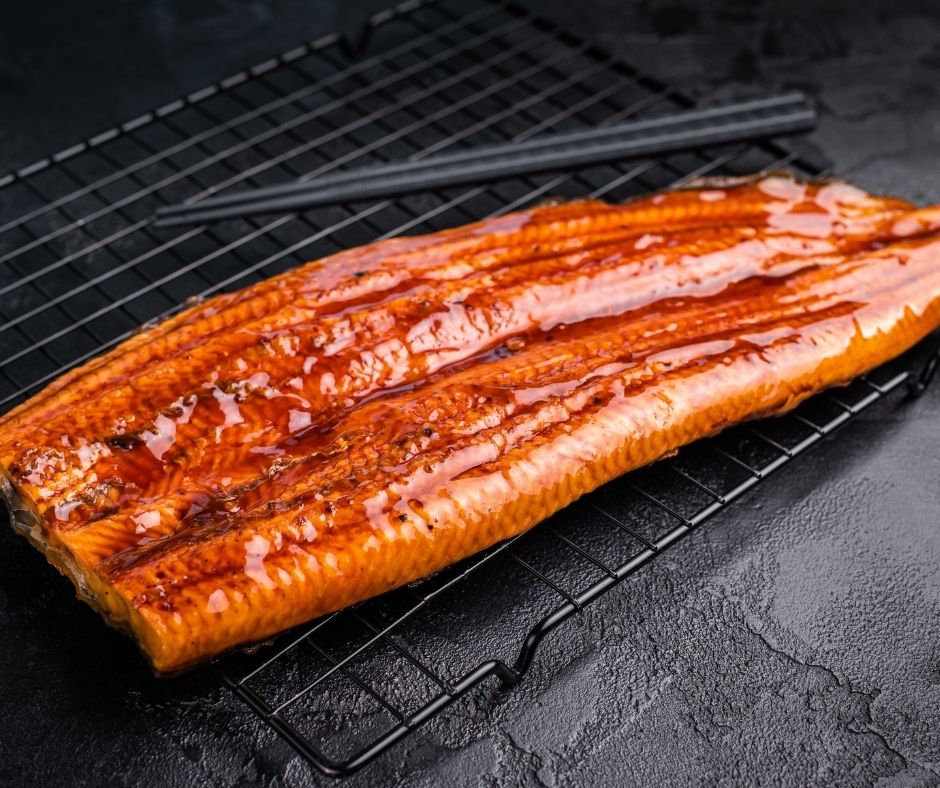
かば焼き(かばやき)– grilled eel with sweet soy sauce
並ぶ(ならぶ)– to be lined up; to be displayed
行事(ぎょうじ)– annual event, tradition
季節(きせつ)– season
変わる(かわる)– to change
期間(きかん)– period
昔(むかし)– long ago
食欲(しょくよく)– appetite
体力(たいりょく)– physical strength, stamina
栄養(えいよう)– nutrition
元気に過ごす(げんきにすごす)– to stay healthy and energetic
値段(ねだん)– price
増える(ふえる)– to increase
その代わりに(そのかわりに)– instead
梅干し(うめぼし)– pickled plum
決まった(きまった)– fixed, specific
食べ物(たべもの)– food
If you want to learn Japanese, improve your skills, or connect with native speakers and other learners, we can help. We offer one-on-one lessons and a supportive community!
Website: nihongonana.com
Email: support@nihongonana.com
✅Private Lesson: NihongoNana Private Lessons
✅Online Community: NihongoNana Community
Recent Posts
-

3 Popular Factory Tours…
September 26, 2026
-

Japanese Airport Survival Guide:…
September 25, 2026
-
What Is Wagashi? Discover…
September 24, 2026
-

〜たい vs 〜てみたい: The…
September 23, 2026
-

Famous Japanese Watchmakers You…
September 22, 2026
Leave Comment