

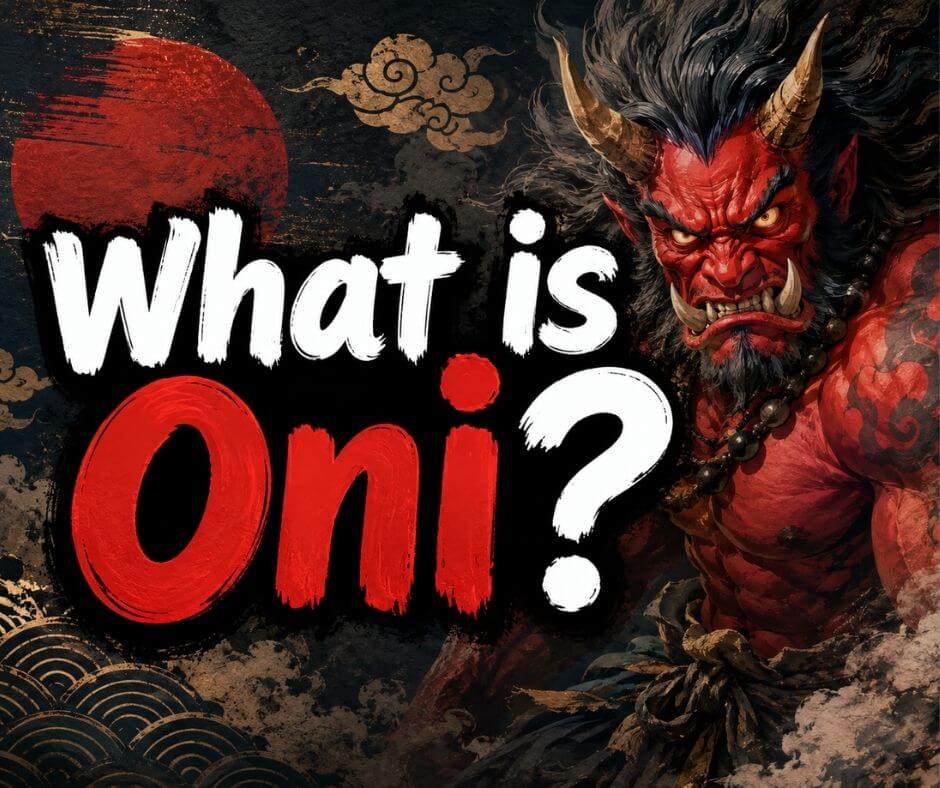
日本の昔話やアニメ、ゲームなどで「鬼」を見たことがありますか?👹 鬼は、日本で昔から知られている生き物です。話の中だけで本当にはいません😆大きな体、こわい顔、頭にある角が特徴です。
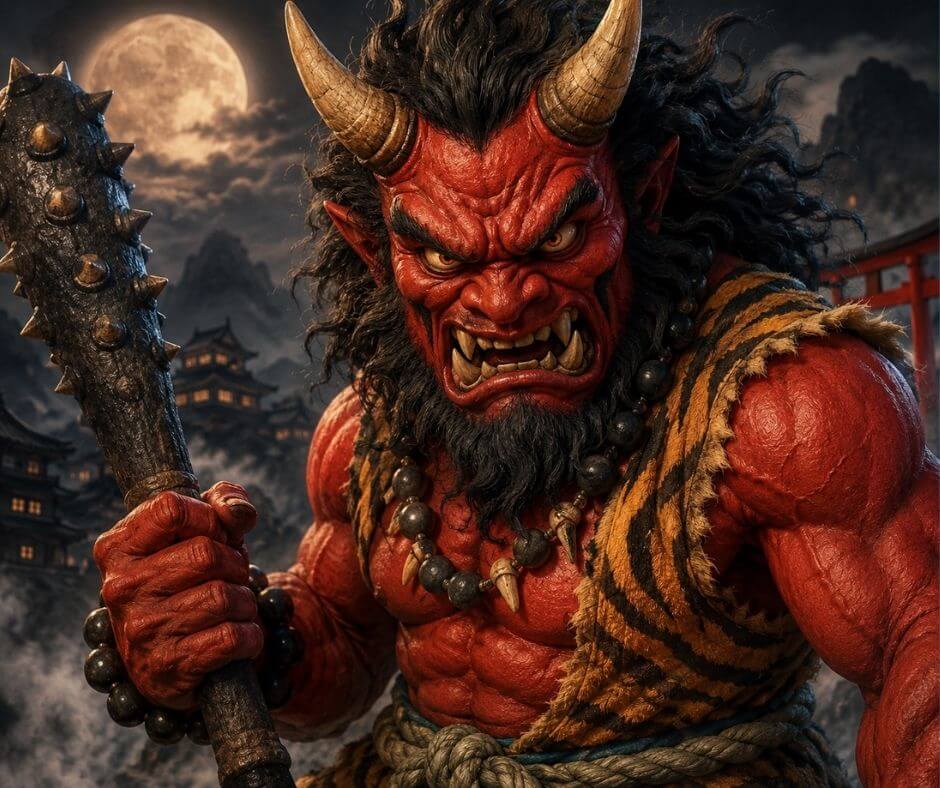
昔の日本では、鬼は人に悪いことをしたり、病気や災害を起こしたりするこわいものだと考えられていました。だから人々は鬼を追い払って、幸せや健康を願っていました。
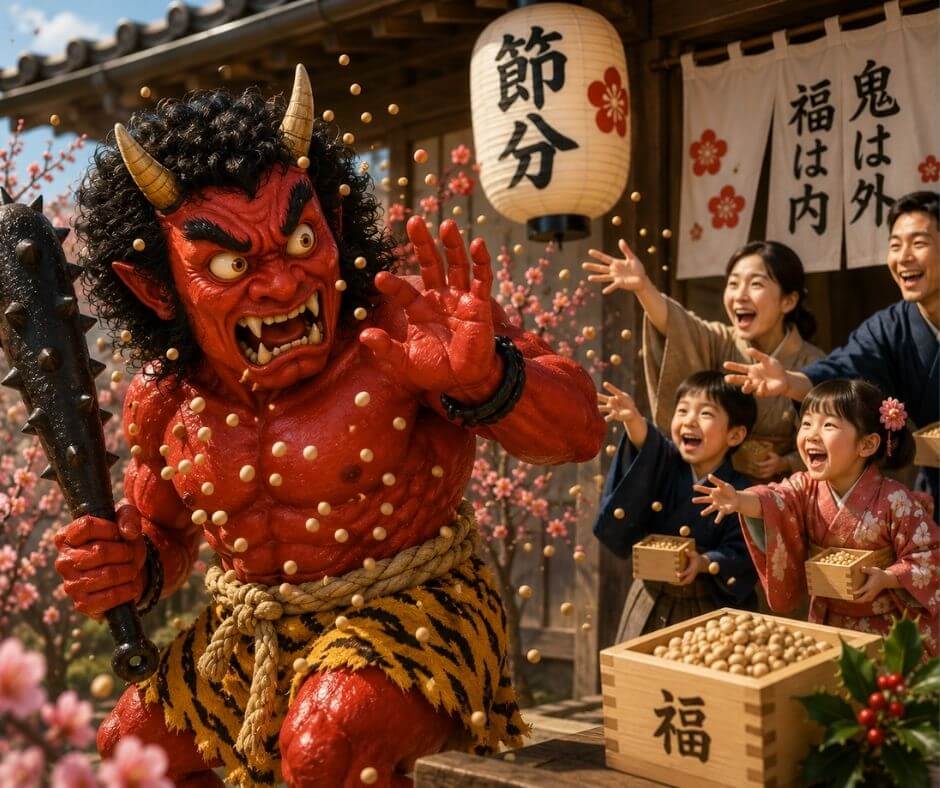
その代表的な行事が「節分」です。節分では、家で豆を投げながら「鬼は外!福は内!」と言います。これは「悪いものは外へ、幸せは家の中へ」という意味です。🫘
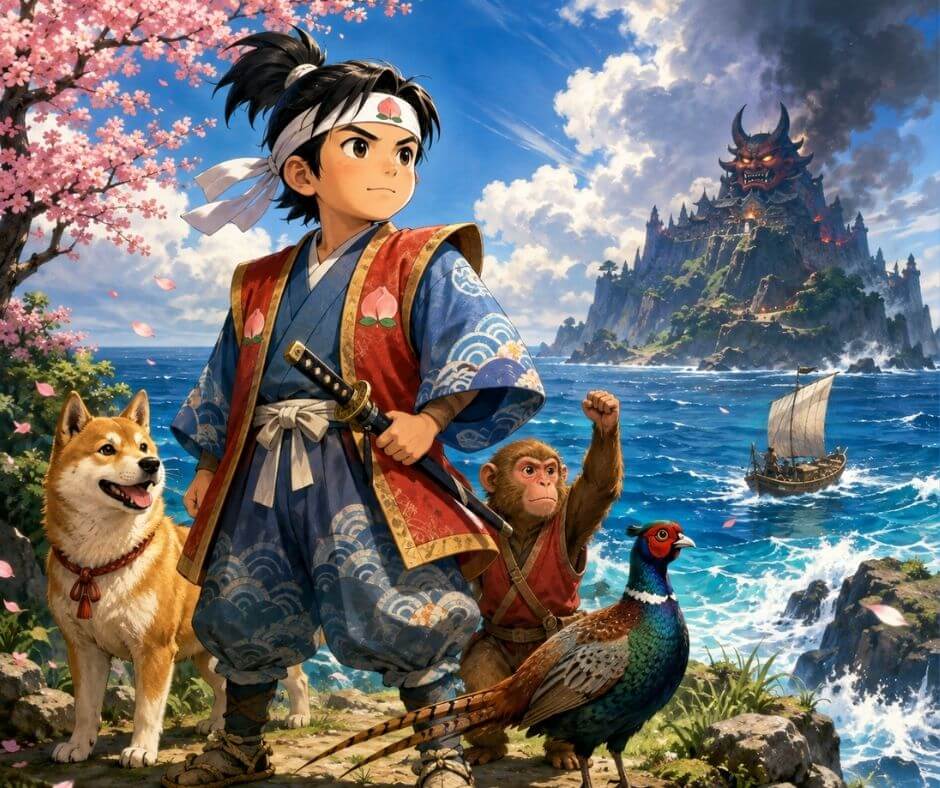
鬼が出てくる有名な昔話には「桃太郎」があります。桃太郎は犬、猿、キジと一緒に鬼ヶ島へ行き、悪い鬼たちと戦います。
でも、鬼はいつも悪いわけではありません。最近のアニメや漫画では、やさしい鬼や人間を助ける鬼も登場します🥹
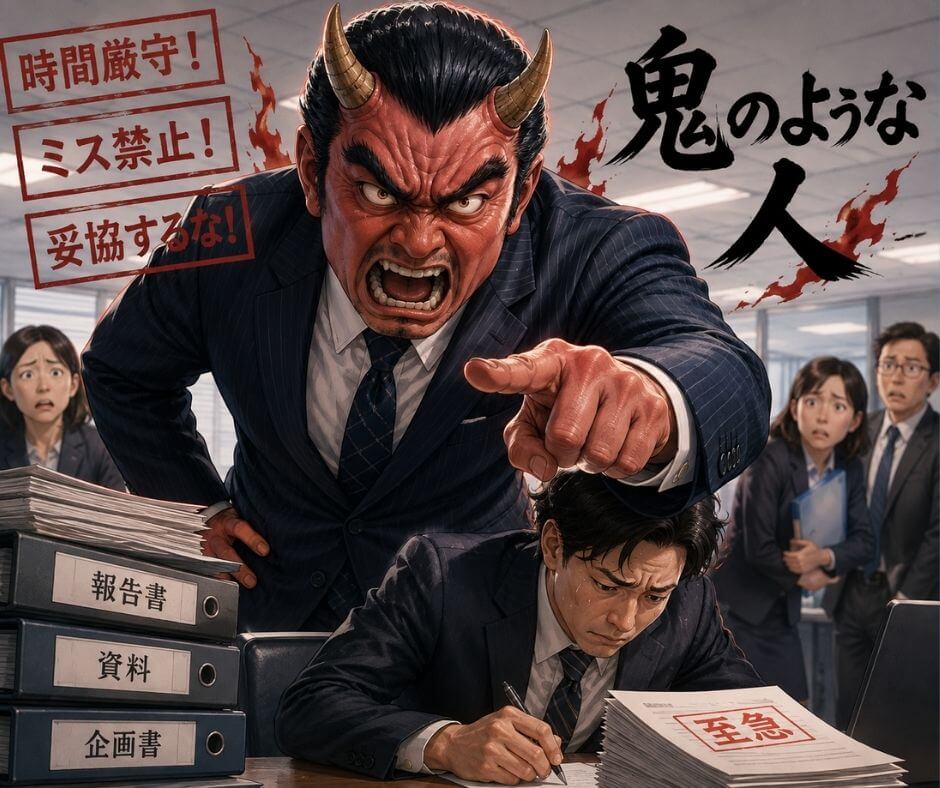
日本語には「鬼」を使った表現もあります。たとえば、とても厳しい人を「鬼のような人」と言います。また、仕事をとても一生懸命する人を「仕事の鬼」と言うこともあります。「鬼に金棒」は、強い人がさらに強くなる、という意味のことわざです。
鬼について知ると、日本の昔話や行事だけではなく、日本語の表現ももっと楽しめますよ!😊
English Translation
Have you ever seen an oni in Japanese folktales, anime, or games? Oni are creatures that have been known in Japan for a long time. They only exist in stories and are not real. They are usually known for their large bodies, scary faces, and horns on their heads.
In the past, people in Japan believed that oni were frightening beings that did bad things to people or caused illnesses and disasters. Because of this, people tried to drive oni away and wished for happiness and good health.
One famous event connected to oni is Setsubun. During Setsubun, people throw beans at home while saying, “Oni out! Good luck in!” This means, “Bad things go outside, and happiness comes inside.”
One famous Japanese folktale with oni is Momotaro. Momotaro goes to Onigashima with a dog, a monkey, and a pheasant, and fights against the bad oni.
However, oni are not always bad. In recent anime and manga, there are also kind oni and oni who help humans.
There are also Japanese expressions that use the word oni. For example, a very strict person can be described as “like an oni.” Someone who works extremely hard can also be called a “work oni.” The proverb “oni ni kanabō” means that someone who is already strong becomes even stronger.
By learning about oni, you can enjoy and understand not only Japanese folktales and traditions, but also Japanese expressions even more.
Vocabulary List
鬼(おに)– oni; demon / ogre
昔話(むかしばなし)– folktale
生き物(いきもの)– living creature
本当(ほんとう)– real / true
大きな(おおきな)– big / large
こわい – scary
顔(かお)– face
角(つの)– horn
特徴(とくちょう)– characteristic / feature
昔(むかし)– long ago / the past
病気(びょうき)– illness / sickness
災害(さいがい)– disaster
追い払う(おいはらう)– to drive away
幸せ(しあわせ)– happiness
健康(けんこう)– health
願う(ねがう)– to wish / hope for
代表的(だいひょうてき)– typical / representative
行事(ぎょうじ)– event / traditional event
節分(せつぶん)– Setsubun
豆(まめ)– bean
福(ふく)– good fortune / luck
意味(いみ)– meaning
桃太郎(ももたろう)– Momotaro
鬼ヶ島(おにがしま)– Onigashima / Ogre Island
戦う(たたかう)– to fight
漫画(まんが)– manga / comic
登場する(とうじょうする)– to appear
厳しい(きびしい)– strict
一生懸命(いっしょうけんめい)– very hard / with great effort
仕事の鬼(しごとのおに)– a person extremely devoted to work
鬼に金棒(おににかなぼう)– making someone already strong even stronger
ことわざ – proverb
表現(ひょうげん)– expression
If you want to learn Japanese, improve your skills, or connect with native speakers and other learners, we can help. We offer one-on-one lessons and a supportive community!
Website: nihongonana.com
Email: support@nihongonana.com
✅Private Lesson: NihongoNana Private Lessons
✅Online Community: NihongoNana Community