

 July 18, 2026
 No Comments
Japan’s Schools Going Digital: Learn About the New Textbooks
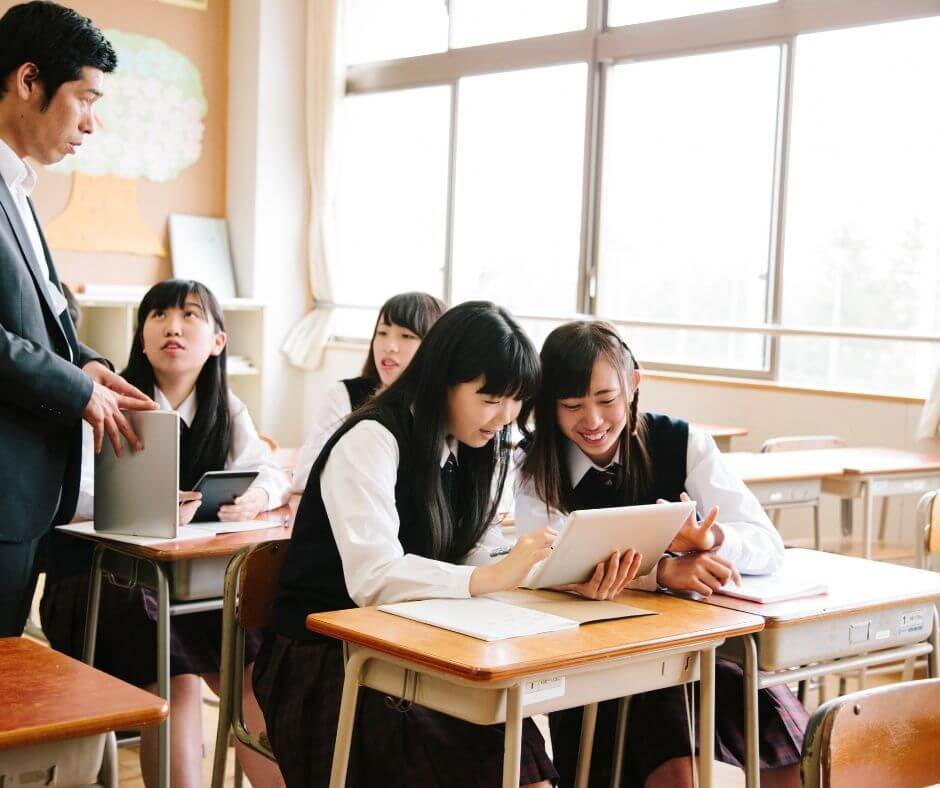
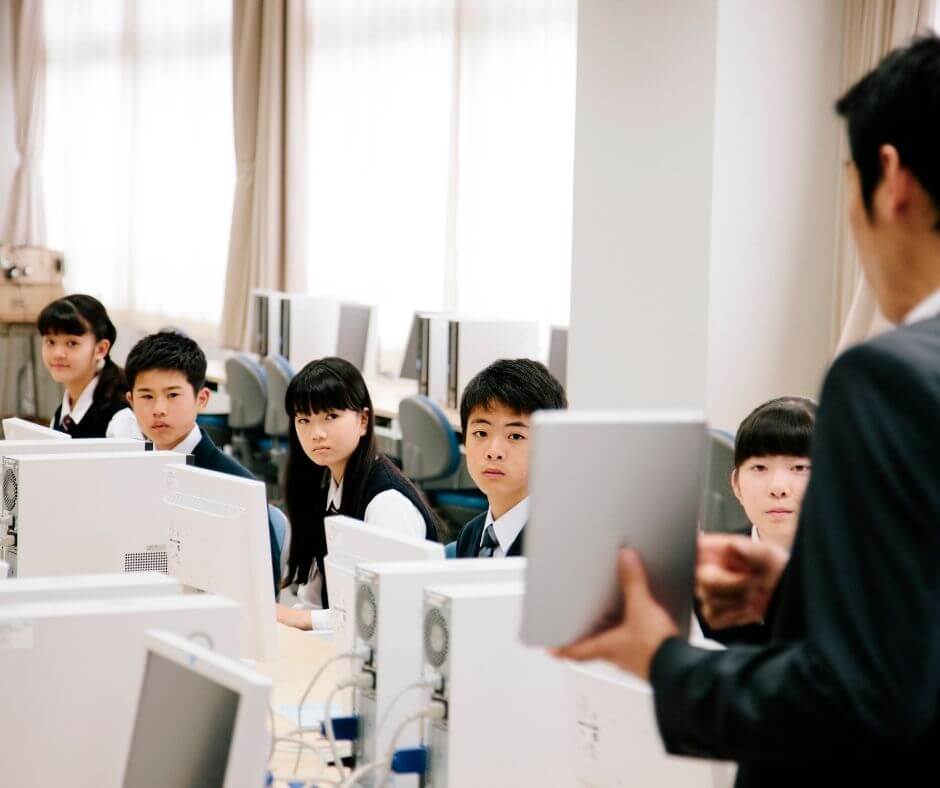
日本では、2030年ごろからデジタル教科書が使われる予定です!デジタル教科書は、タブレットやパソコンで使う教科書で、動画やアニメーションを見たり、図を動かしたりしながら勉強できます🫢紙の教科書だけでは分かりにくいことも、動画を使えば分かりやすくなると言われています😊
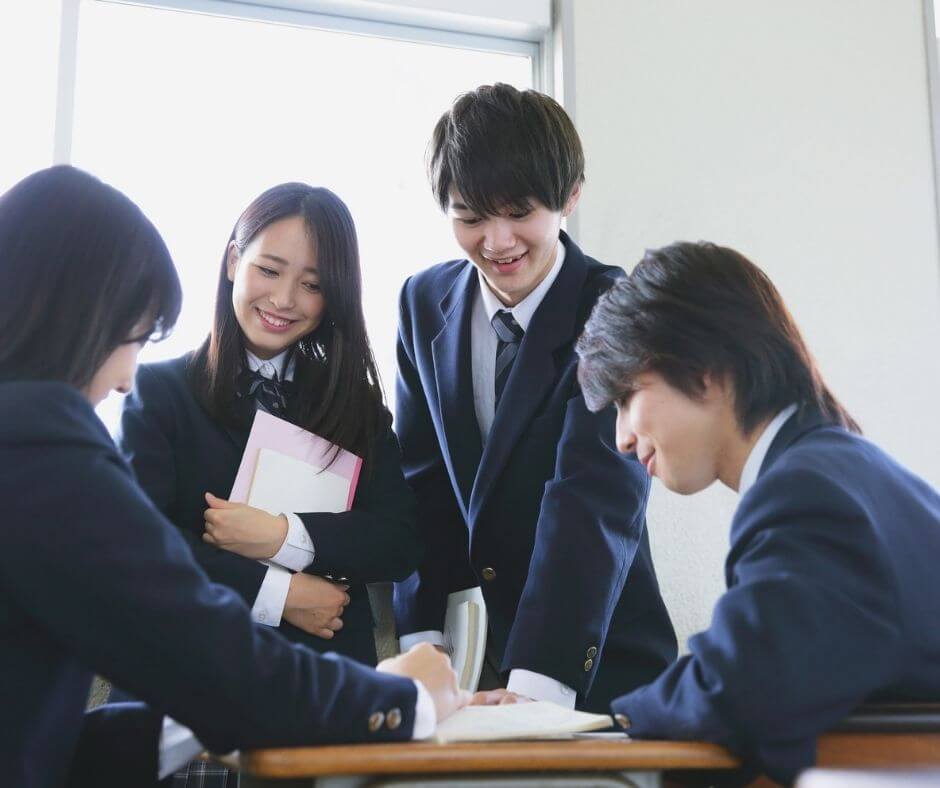
今までも、紙の教科書についているQRコードをスキャンして動画を見ることはできました!でも、それは教科書じゃなくて、「教材」として使われていました。新しい法律では、その動画やアニメーションも教科書の一部になります🔥国が内容を確認して、安全で分かりやすいものだけが使われます!
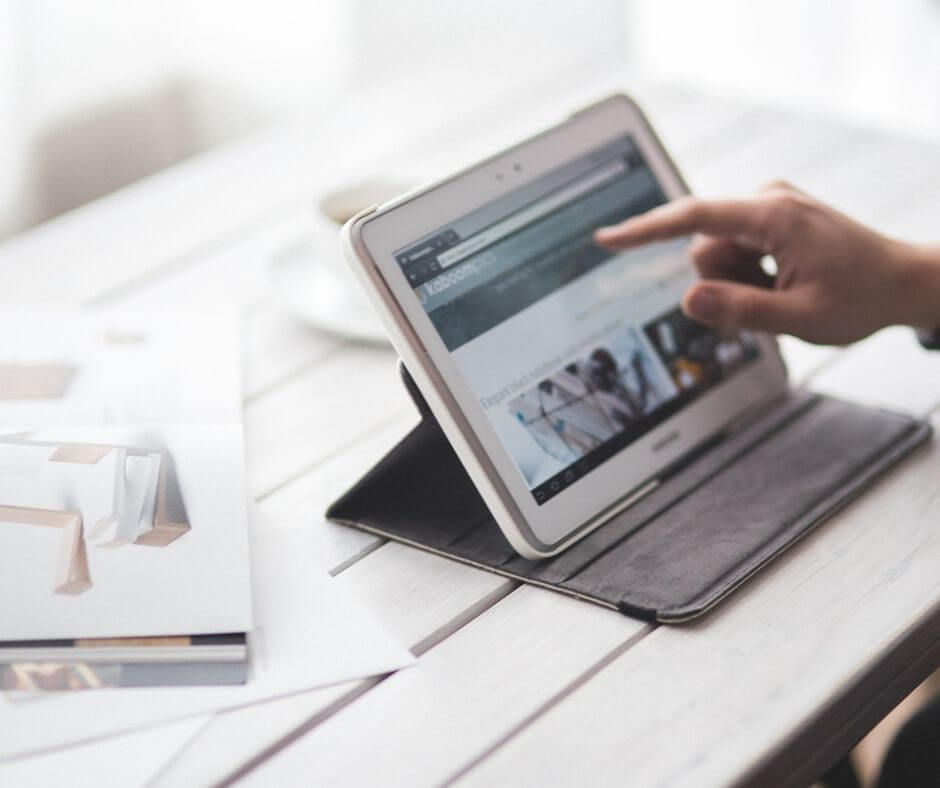
小学校と中学校では、今までと同じように無料で使えます。また、学校は「紙だけ」「紙とデジタルの両方」「デジタルだけ」の3つの方法から選ぶことができます。ですから、学校によって使い方が変わるかもしれません!
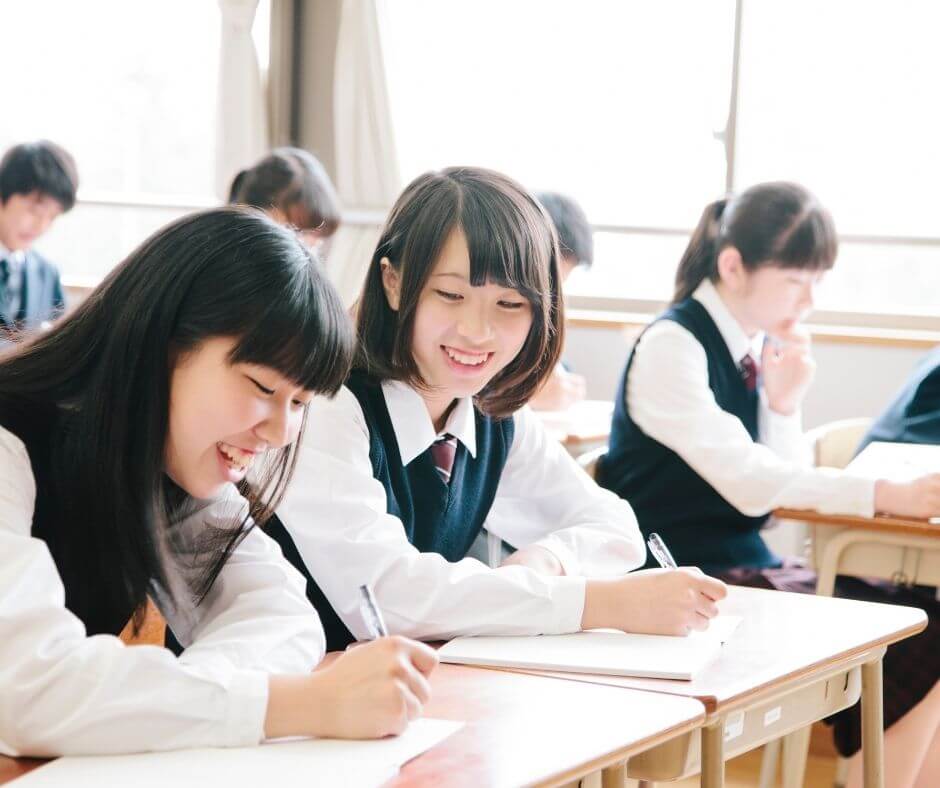
私が学生の時はタブレットの教科書は全然なくて、毎日たくさんの紙の教科書をリュックに入れていました😵荷物も少なくなるし、勉強も分かりやすくなるし、うらやましい!みなさんは、紙とデジタルのどちらで勉強するほうがいいと思いますか?
【English Translation】
In Japan, digital textbooks are expected to start being used around 2030! Digital textbooks are textbooks that you use on a tablet or computer. You can study while watching videos and animations or moving diagrams. It is said that things that are difficult to understand with only a paper textbook can become much easier to understand by using videos.
Even before this, students could scan QR codes in their paper textbooks to watch videos. However, those videos were treated as “learning materials,” not as part of the textbook itself. Under the new law, those videos and animations will officially become part of the textbook. The government will check the content, and only safe and appropriate materials will be used.
In elementary and junior high schools, digital textbooks will be provided for free, just like paper textbooks are now. Schools can choose one of three options: use only paper textbooks, use both paper and digital textbooks, or use only digital textbooks. So, the way students study may be different depending on the school.
When I was a student, there were no tablet textbooks at all. I had to carry many paper textbooks in my backpack every day. Students in the future are so lucky! Their bags will be lighter, and studying may become easier too. Which do you think is better: studying with paper textbooks or digital textbooks?
【Vocabulary List】
予定(よてい) – plan, schedule
デジタル教科書(デジタルきょうかしょ) – digital textbook
教科書(きょうかしょ) – textbook
動画(どうが) – video
図(ず) – diagram, figure
分かりにくい – difficult to understand
教材(きょうざい) – learning material
法律(ほうりつ) – law
一部(いちぶ) – part
内容(ないよう) – content
確認(かくにん)する – to check, confirm
安全(あんぜん) – safe
無料(むりょう) – free
両方(りょうほう) – both
方法(ほうほう) – method, way
選ぶ(えらぶ) – to choose
使い方(つかいかた) – way of using
変わる(かわる) – to change
荷物(にもつ) – luggage, belongings
うらやましい – to be envious; to think someone is lucky
If you want to learn Japanese, improve your skills, or connect with native speakers and other learners, we can help. We offer one-on-one lessons and a supportive community!
Website: nihongonana.com
Email: support@nihongonana.com
✅Private Lesson: NihongoNana Private Lessons
✅Online Community: NihongoNana Community
Recent Posts
-

The Fascinating World of…
October 7, 2026
-
違う or 異なる? How…
October 6, 2026
-

3 Amazing Bookstores You…
October 5, 2026
-

Say “No” Like a…
October 3, 2026
-

Asian Games 2026: A…
October 2, 2026
Leave Comment