
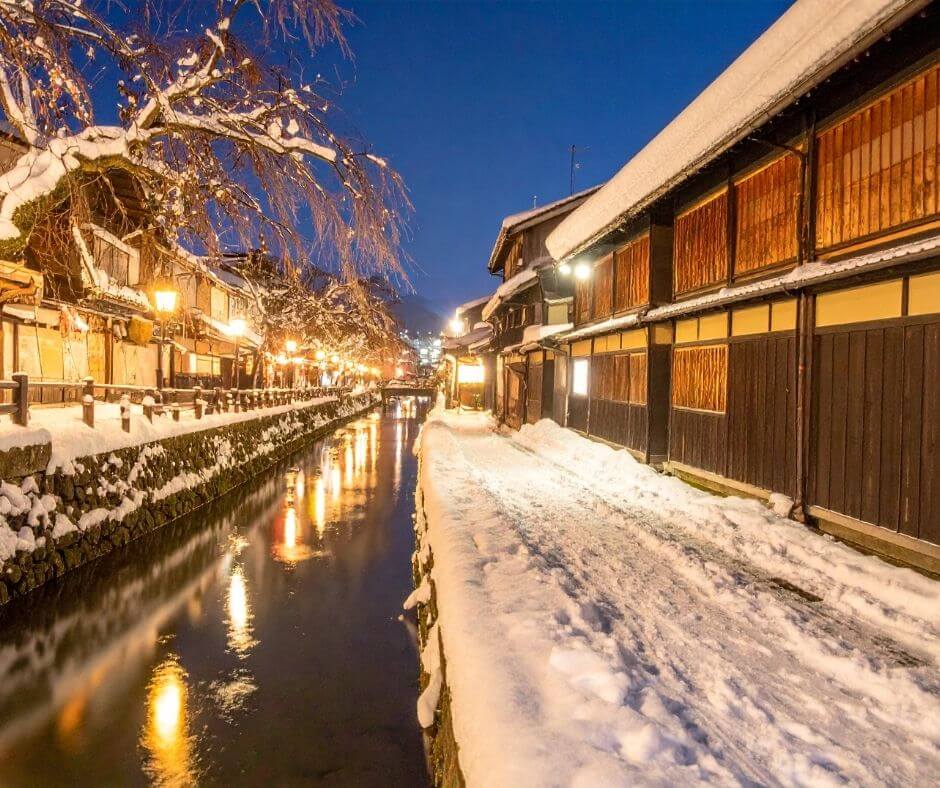
冬になると日本では雪や氷に関係する言葉をよく聞きますよね!
Today, let’s learn some useful Japanese winter vocabulary to help you describe cold weather naturally!
1. 雪(ゆき) – snow
The most basic winter word in Japanese. It can refer to falling snow or snow on the ground.
Example:
今日は雪がたくさん降っています。
2. 霜(しも) – frost
霜 is the thin layer of ice that appears on grass, windows, or cars in the early morning.
Example:
車の窓に霜がついていて、出かけるのが大変でした。
3. 氷(こおり) – ice
Use 氷 for ice in general — ice on the road, ice cubes, or frozen surfaces.
Example:
道が氷で滑りやすいので気をつけてください。
4. 吹雪(ふぶき) – blizzard / snowstorm
吹雪 means heavy snow with strong wind, making it very hard to see.
Example:
昨日は吹雪で外に出られませんでした。
5. 凍る(こおる) – to freeze
A useful verb meaning “to freeze,” used for water, roads, lakes, and even body parts.
Example:
湖が全部凍ってしまいました。
6. 寒波(かんぱ) – cold wave
A strong period of very low temperatures that affects a large area.
Example:
今週は寒波が来るので、気温がとても下がります。
7. 雪だるま – snowman
A fun winter activity and a common word in Japan.
Example:
子どもたちが公園で雪だるまを作っています。
8. 除雪(じょせつ) – snow removal / clearing snow
Used when cleaning snow from roads, roofs, or driveways.
Example:
朝から除雪をしなければなりませんでした。
9. 凍結(とうけつ) – freezing (noun), frozen condition
Often seen in news, traffic reports, and winter announcements.
Example:
道路が凍結しているので、運転に注意してください。
10. 冬眠(とうみん) – hibernation
Not a weather condition, but a fun winter-related word!
Example:
くまは冬眠することで冬を乗り越えます。
🌨️ Quick Winter Quiz(5 Questions)
Try to guess the correct Japanese word based on the English meaning:
- frost
- to freeze
- snowstorm / blizzard
- ice
- snow removal
Answers:
- 霜(しも)
- 凍(こお)る
- 吹雪(ふぶき)
- 氷(こおり)
- 除雪(じょせつ)
❄️ Winter Story Using All the Vocabulary
昨日、私の町はとても寒くて、朝から雪が降っていました。車の窓には霜がついていて、まずそれをきれいにしなければなりませんでした。外に出ると、道路が氷で少し滑りやすくなっていて、とても危なかったです。
昼ごろになると、吹雪になって、前がよく見えませんでした。公園の池もすっかり凍ってしまい、まるで大きな氷のようでした。ニュースでは「寒波が来ています」と言っていて、本当に寒い一日でした。
そんな中、公園では子どもたちが元気に雪だるまを作っていました。私は家に帰って、家の前の除雪をしました。道路は凍結していて、車がゆっくり走っていました。
夜になると、動物の番組を見ました。くまは冬眠して冬を過ごすと知って、「いいなぁ」と思いながら、私もあたたかい布団に入りました。
🧊 English Translation of the Story
Yesterday, my town was very cold, and it had been snowing since the morning. There was frost on my car windows, so I had to clean it off first. When I went outside, the roads were icy and slippery, which was dangerous.
Around noon, it turned into a blizzard, and I couldn’t see very well. The pond in the park had completely frozen, looking like a big sheet of ice. On the news they said, “A cold wave is coming,” and it truly was a freezing day.
Even in that weather, children in the park were happily making snowmen. I went home and cleared the snow in front of my house. The roads were frozen, and cars were driving slowly.
At night, I watched an animal program. I learned that bears survive winter by hibernating, and I thought, “That sounds nice,” as I crawled into my warm futon.
🧊 Vocabulary List (English → Japanese)
| English | Japanese |
|---|---|
| snow | 雪(ゆき) |
| frost | 霜(しも) |
| ice | 氷(こおり) |
| blizzard / snowstorm | 吹雪(ふぶき) |
| to freeze | 凍る(こおる) |
| cold wave | 寒波(かんぱ) |
| snowman | 雪(ゆき)だるま |
| snow removal | 除雪(じょせつ) |
| freezing (noun) | 凍結(とうけつ) |
| hibernation | 冬眠(とうみん) |
Winter brings beautiful scenery and unique vocabulary. Learning these useful winter terms will help you describe cold weather more naturally in Japanese. Stay warm and keep learning!al!