

 May 29, 2026
 No Comments
Useful Japanese Units for Daily Life in Japan
When learning Japanese, vocabulary and grammar are important…
but understanding Japanese units can make daily life in Japan MUCH easier 👀
Whether you’re shopping, reading menus, checking temperatures, or talking about money, these units appear everywhere.
Let’s learn some useful Japanese units you’ll often encounter in Japan 🌸
💴 円(えん)= Yen
The Japanese currency unit.
Examples:
- 100円 = 100 yen
- 1,000円 = 1,000 yen
One thing that surprises many learners is:
Japanese often counts large numbers using 「万(まん)」.
- 1万円 = 10,000 yen
- 5万円 = 50,000 yen
So instead of saying “ten thousand,” Japanese groups numbers differently from English.
You’ll hear this constantly in:
- shopping
- salaries
- rent
- restaurants
📏 ミリ / センチ / メートル / キロ
Japan mainly uses the metric system.
Common units include:
- ミリ (mm) = millimeters
- センチ (cm) = centimeters
- メートル (m) = meters
- キロ (km) = kilometers
Examples:
- 身長は170センチです。= My height is 170 cm.
- 駅まで2キロです。= It’s 2 km to the station.
If you’re from a country using feet or miles, this can take some getting used to!
🚗 キロ毎時(km/h)
Used for speed.
Examples:
- 時速60キロ = 60 km/h
- 制限速度は80キロです。= The speed limit is 80 km/h.
Japan uses kilometers per hour, not miles per hour.
You’ll see this on:
- road signs
- car navigation systems
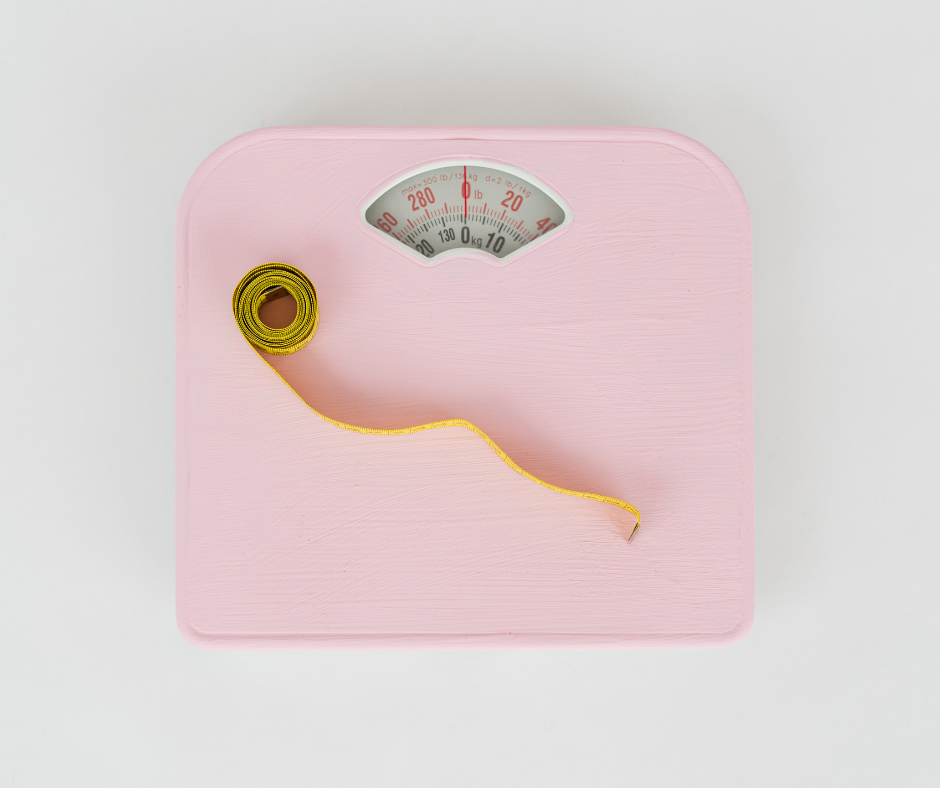
⚖️ グラム / キロ
Used for weight.
Examples:
- お肉100グラム = 100 grams of meat
- 体重は60キロです。= My weight is 60 kg.
In Japanese supermarkets, food is often sold by grams.
You’ll especially see this for:
- meat
- vegetables
- side dishes
instead of pounds or ounces.
🥤 ミリリットル / リットル
Used for liquid amounts.
Examples:
- 500ミリリットルのペットボトル = a 500 ml plastic bottle
- 毎日2リットルの水を飲みます。= I drink 2 liters of water every day.
You’ll see these on:
- drink bottles
- milk cartons
- cooking recipes
In casual conversation, Japanese people often shorten:
- ミリリットル → ミリ
🌡️ 度(ど)
「度(ど)」 is used in several ways in Japanese.
Temperature
- 30度 = 30 degrees Celsius
- マイナス5度 = minus 5 degrees Celsius
Japan uses Celsius, not Fahrenheit.
Eyesight
In Japan, eyesight is commonly measured using numbers like:
- 視力1.0 = Eyesight: 1.0
- 視力0.3 = Eyesight: 0.3
Angles
「度(ど)」 is also used for angles.
Examples:
- 90度 = 90 degrees
- 180度 = 180 degrees
So 「度(ど)」 does not only mean temperature 👀
Final Thoughts 🌸
Japanese units are deeply connected to everyday life in Japan.
Many are international:
- meters
- kilograms
- liters
- km/h
At first, these units may feel confusing…
but once you get used to them, everyday Japanese becomes MUCH easier 🇯🇵
If you want to learn Japanese, improve your skills, or connect with native speakers and other learners, we can help. We offer one-on-one lessons and a supportive community!
Website: nihongonana.com
Email: support@nihongonana.com
✅Private Lesson: NihongoNana Private Lessons
✅Online Community: NihongoNana Community
Recent Posts
-
Shopping at MUJI Japan:…
October 14, 2026
-

Japanese School System and…
October 12, 2026
-

6 Beautiful Japanese Phrases…
October 10, 2026
-

The Japanese Custom That…
October 9, 2026
-

How to Say “Maybe”…
October 8, 2026
Leave Comment