

 September 1, 2026
 No Comments
Natural Disasters in Japan: 15 Japanese Words You Need to Know
Japan experiences many kinds of natural disasters, including earthquakes, typhoons, heavy rain, and floods. If you live in Japan or plan to travel there, learning some basic disaster-related Japanese can be very useful.
You may hear these words on TV, at train stations, in weather alerts, or even on your phone during an emergency.
Let’s learn some important Japanese vocabulary for natural disasters and see how to use each word in a simple sentence.
1. 地震 — Earthquake
Japan has many earthquakes, so 地震 is one of the most important words to know.
Example:
昨日、大きい地震がありました。
There was a big earthquake yesterday.
You may also hear:
地震が起きました。
An earthquake occurred.
2. 津波 — Tsunami
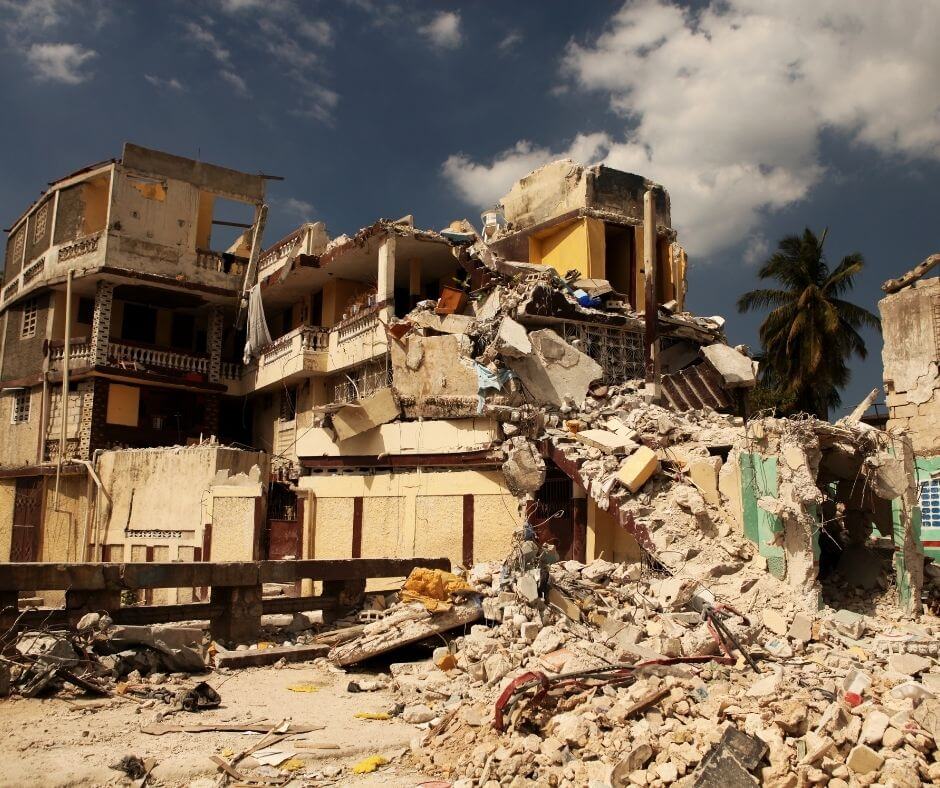
A 津波 is a very large wave that can happen after an earthquake under the ocean.
Example:
津波に気をつけてください。
Please be careful of the tsunami.
You may also see warnings such as:
津波警報が出ています。
A tsunami warning has been issued.
3. 台風 — Typhoon
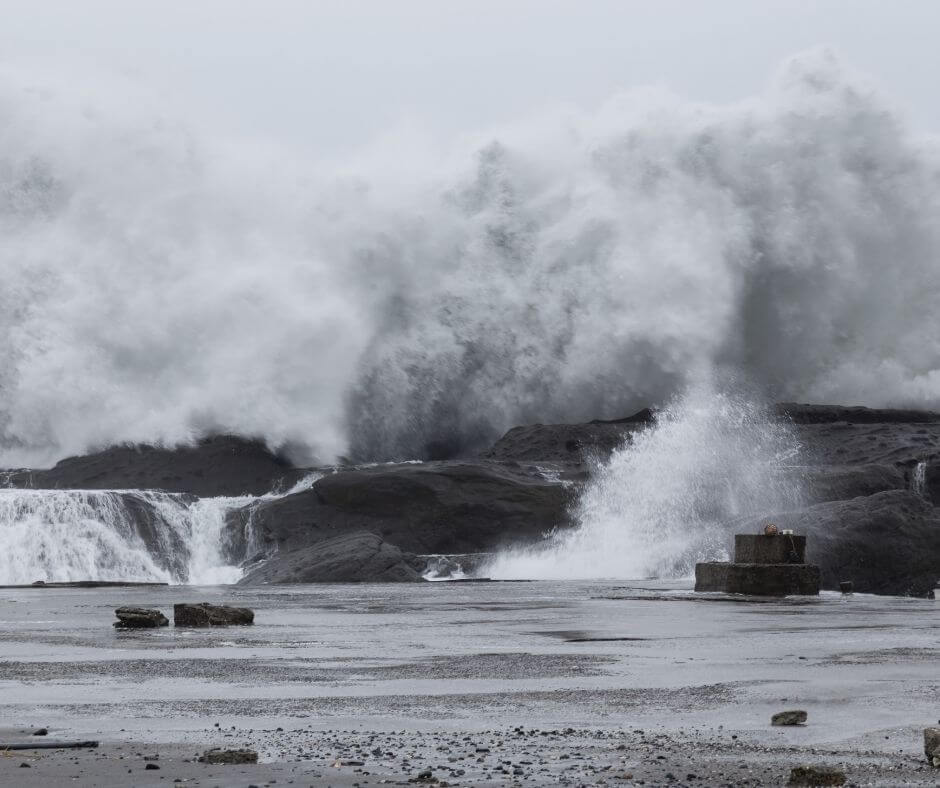
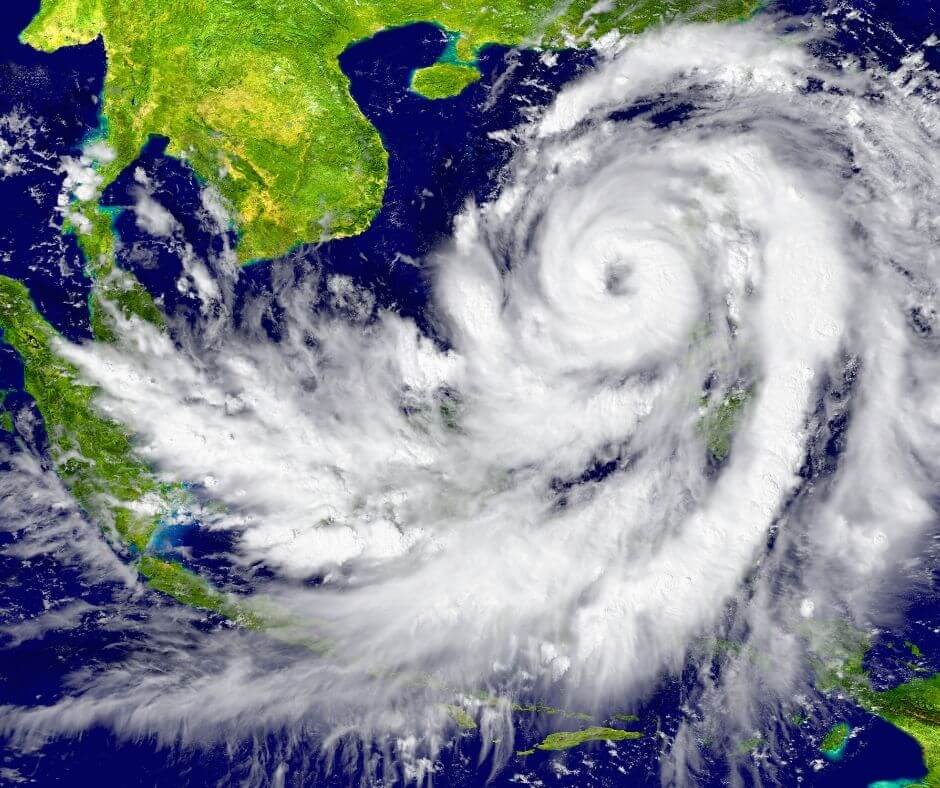
Typhoons are common in Japan, especially from summer to autumn.
Example:
台風が日本に近づいています。
A typhoon is approaching Japan.
Another useful sentence is:
台風で電車が止まりました。
The trains stopped because of the typhoon.
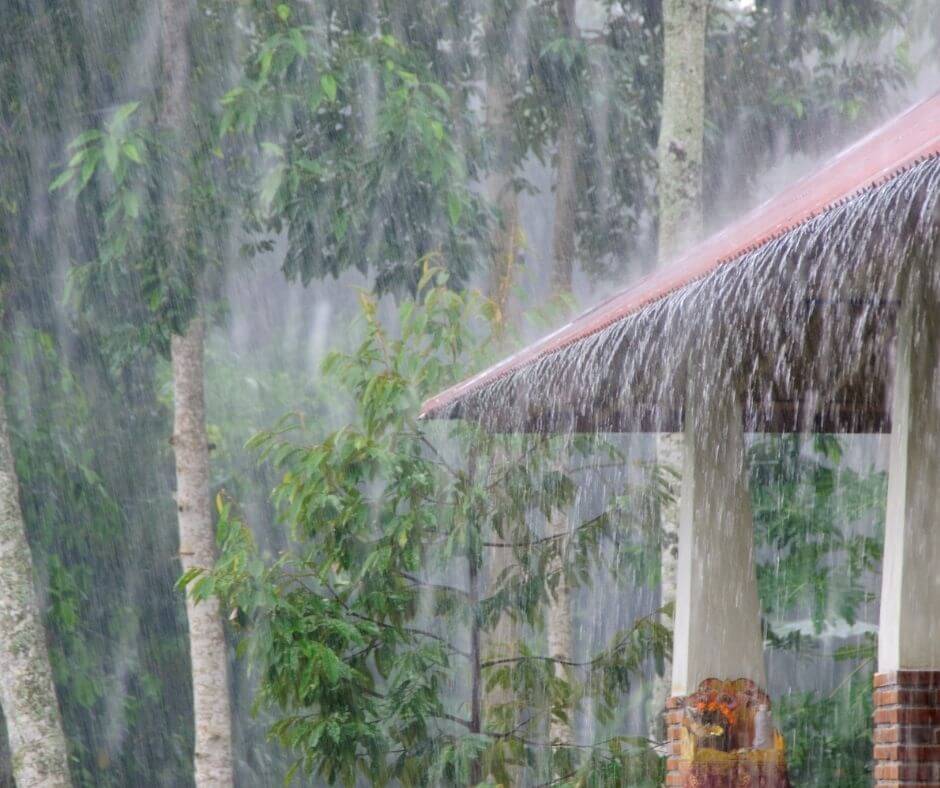
4. 大雨 — Heavy Rain
大雨 literally means “heavy rain.”
Heavy rain can sometimes cause floods and landslides.
Example:
今日は大雨になるそうです。
It looks like there will be heavy rain today.
5. 洪水 — Flood
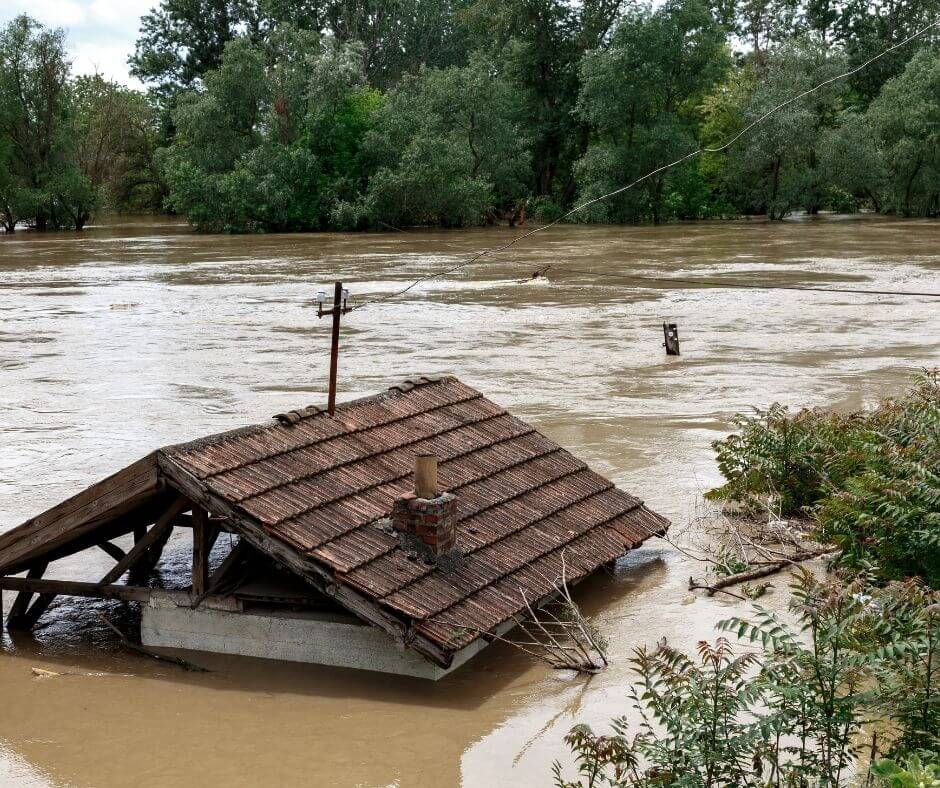
洪水 happens when rivers overflow or large amounts of water cover roads and buildings.
Example:
大雨で洪水が起きました。
A flood occurred because of the heavy rain.
6. 土砂崩れ — Landslide
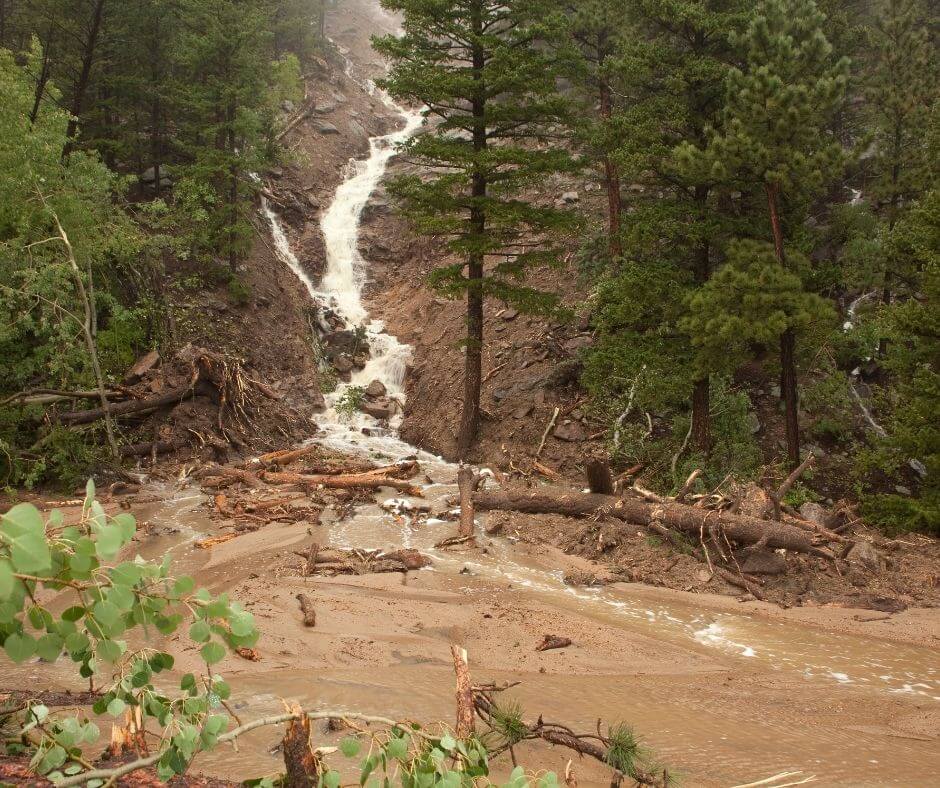
A 土砂崩れ happens when soil, rocks, or part of a mountain suddenly falls down.
Example:
大雨で土砂崩れが起きるかもしれません。
A landslide may occur because of the heavy rain.
7. 噴火 — Eruption
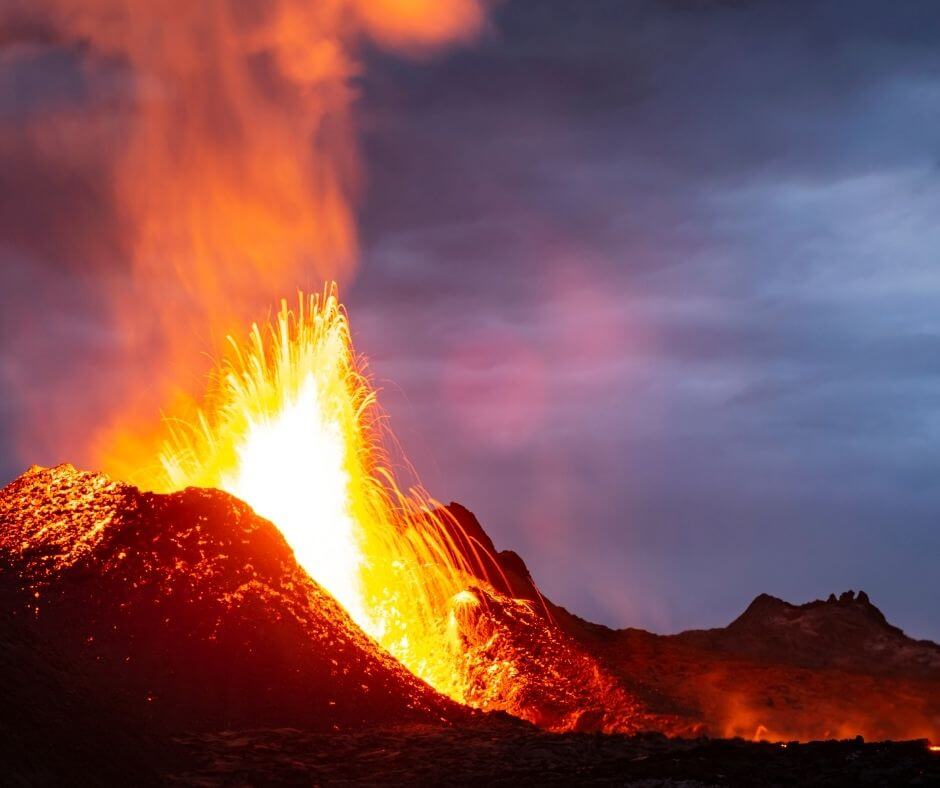
噴火 means a volcanic eruption.
Example:
火山が噴火しました。
The volcano erupted.
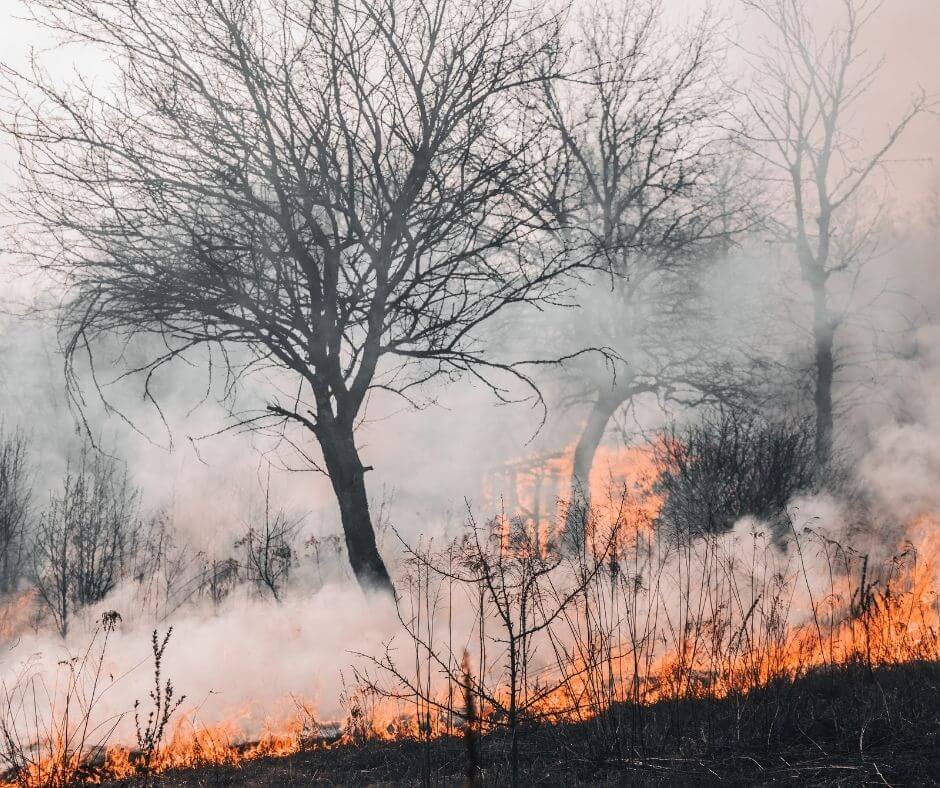
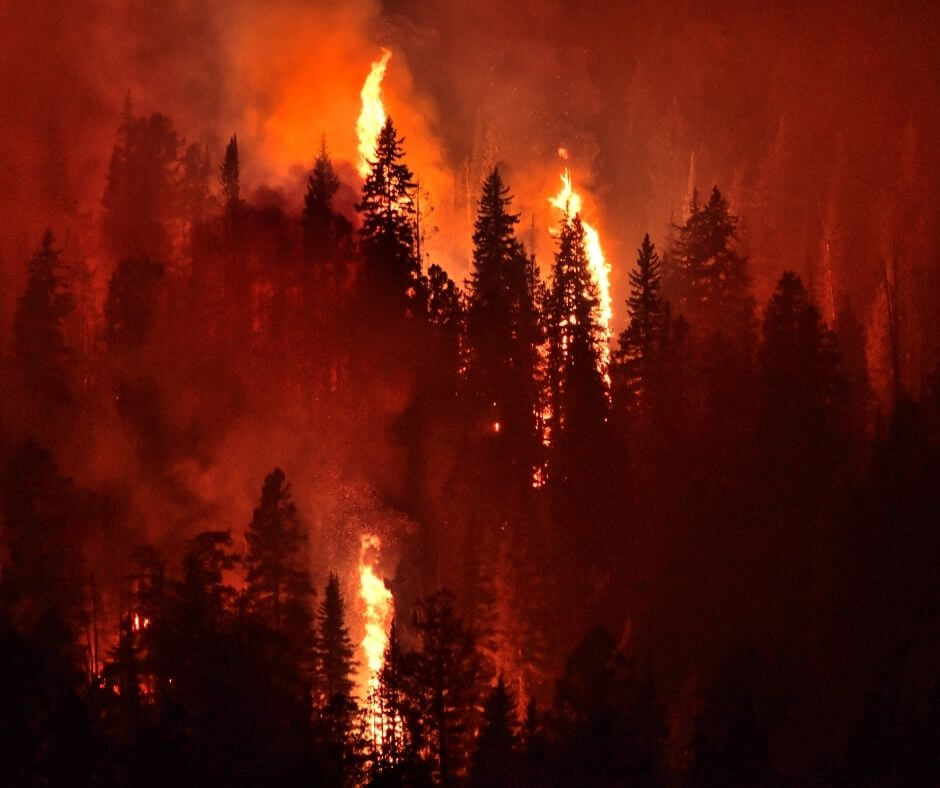
8. 山火事 — Wildfire / Forest Fire
山 means “mountain” and 火事 means “fire.”山火事 refers to a wildfire or forest fire.
Example:
乾燥した天気で山火事が広がりました。
The wildfire spread because of the dry weather.
9. 雷 — Thunder / Lightning
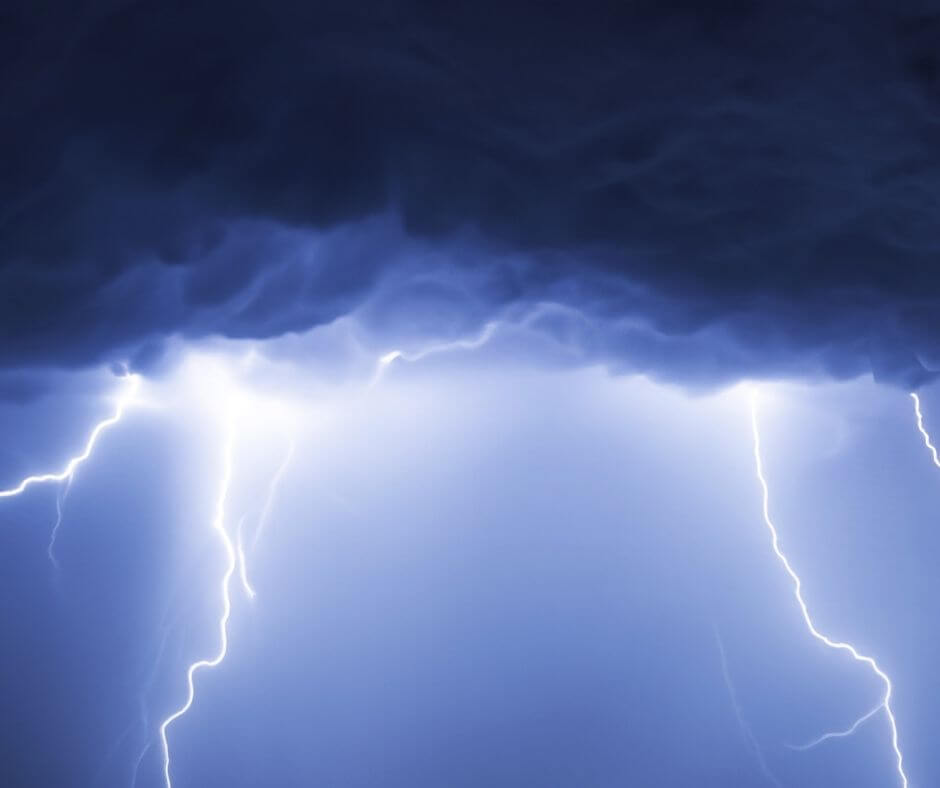
雷 is commonly used when talking about thunder and lightning during a storm.
Example:
外で雷が鳴っています。
There is thunder outside.
You may also hear:
雷に気をつけてください。
Please be careful of lightning.
10. 避難 — Evacuation
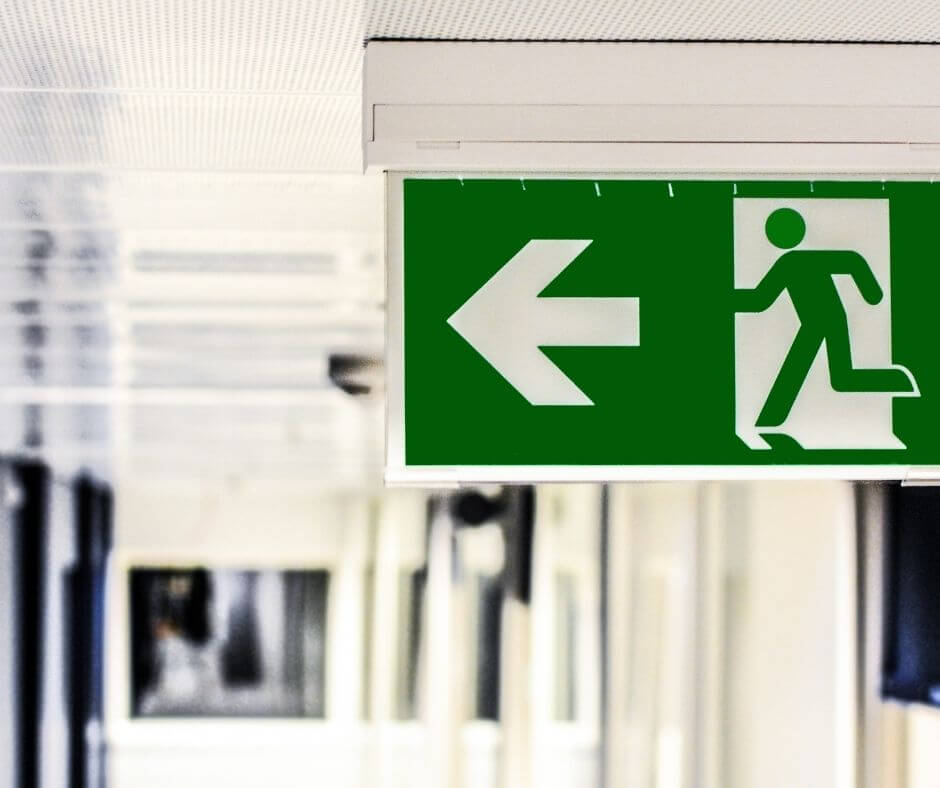
避難 is an extremely important word during a natural disaster.
It means moving to a safe place to escape danger.
Example:
すぐに避難してください。
Please evacuate immediately.
You may also hear:
安全な場所に避難してください。
Please evacuate to a safe place.
11. 警報・注意報 — Warning / Advisory
警報 means “warning” and is used when there is a higher level of danger.
注意報 means “advisory” and tells people to be careful because dangerous weather may occur.
For example:
大雨警報
Heavy rain warning
津波警報
Tsunami warning
強風注意報
Strong wind advisory
Example:
大雨警報が出ています。
A heavy rain warning has been issued.
強風注意報が出ています。
A strong wind advisory has been issued.
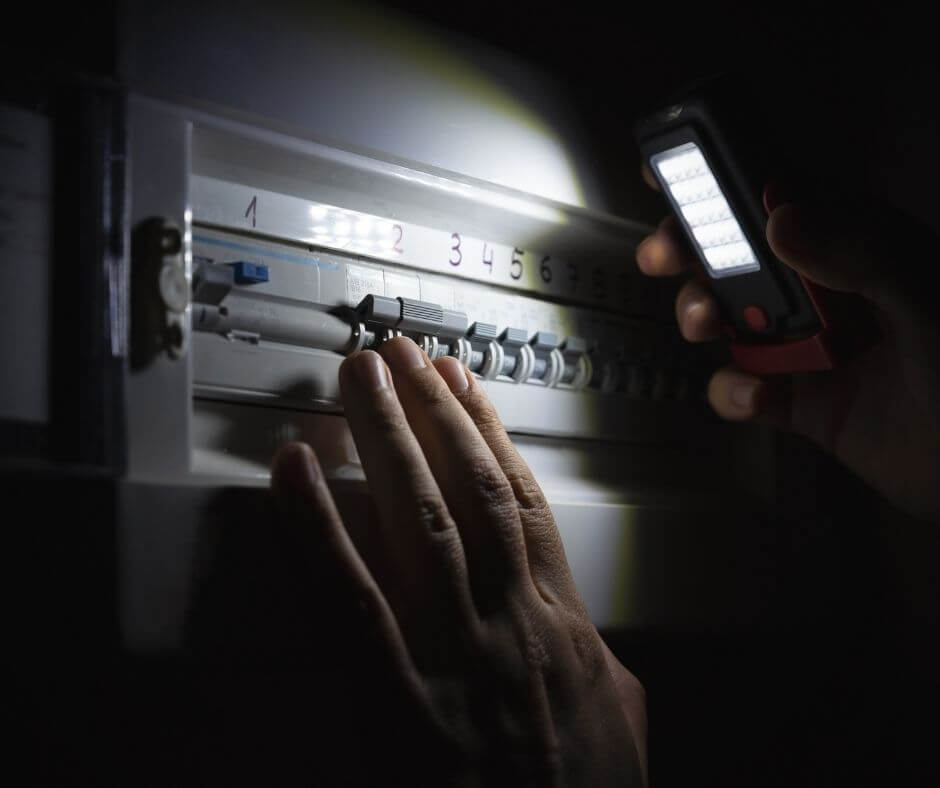
12. 停電 — Power Outage
Natural disasters can sometimes cause electricity to stop working.
This is called 停電.
Example:
台風で停電しました。
There was a power outage because of the typhoon.
13. 断水 — Water Outage
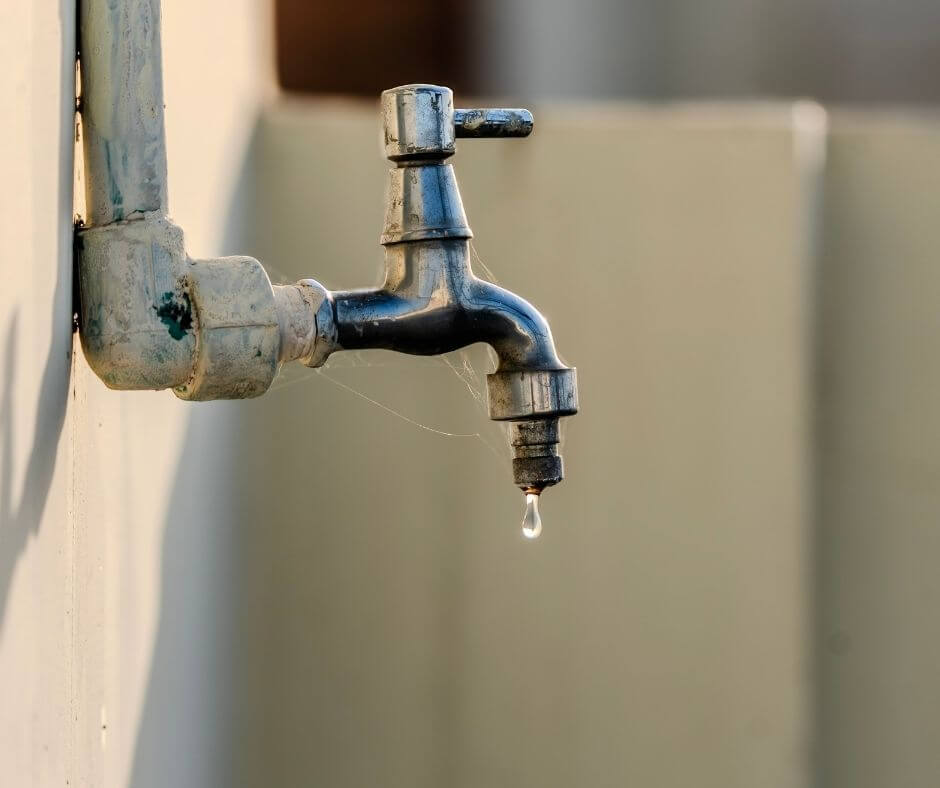
断水 means that the water supply has stopped.
Example:
地震のあと、断水しました。
The water supply stopped after the earthquake.
Useful Japanese Phrases During a Natural Disaster
Here are a few useful phrases to remember.
大丈夫ですか?
Are you okay?
ここは安全ですか?
Is it safe here?
どこに避難すればいいですか?
Where should I evacuate to?
電車は動いていますか?
Are the trains running?
何が起きましたか?
What happened?
Quick Vocabulary List
地震(じしん)— earthquake
津波(つなみ)— tsunami
台風(たいふう)— typhoon
大雨(おおあめ)— heavy rain
洪水(こうずい)— flood
土砂崩れ(どしゃくずれ)— landslide
噴火(ふんか)— eruption
山火事(やまかじ)— wildfire / forest fire
雷(かみなり)— thunder / lightning
避難(ひなん)— evacuation
警報(けいほう)— warning
注意報(ちゅういほう)— advisory
停電(ていでん)— power outage
断水(だんすい)— water outage
Final Thoughts
Natural disasters can be scary, especially when you are in another country and do not understand the language.
You do not need to memorize every difficult word, but knowing basic words such as 地震(じしん), 台風(たいふう), 避難(ひなん), 警報(けいほう), and 注意報(ちゅういほう) can help you understand important information during an emergency.
If you are living in or traveling around Japan, it is also a good idea to pay attention to emergency alerts on your phone and local announcements.
Learning Japanese is not only about everyday conversation. Sometimes, knowing the right vocabulary can help you stay safe too.
If you want to learn Japanese, improve your skills, or connect with native speakers and other learners, we can help. We offer one-on-one lessons and a supportive community!
Website: nihongonana.com
Email: support@nihongonana.com
✅Private Lesson: NihongoNana Private Lessons
✅Online Community: NihongoNana Community
Recent Posts
-

Shopping at MUJI Japan:…
October 14, 2026
-

Japanese School System and…
October 12, 2026
-

6 Beautiful Japanese Phrases…
October 10, 2026
-

The Japanese Custom That…
October 9, 2026
-

How to Say “Maybe”…
October 8, 2026
Leave Comment