


 July 8, 2026
 No Comments
Welcome to the Wild World of Japanese Comedy
日本では、お笑いはとても人気があります!テレビやYouTube、ライブ会場など、いろいろな場所でお笑いを見ることができます。
日本のお笑いには、いろいろなスタイルがあります。その中でも、漫才とコントが特に有名です🙌

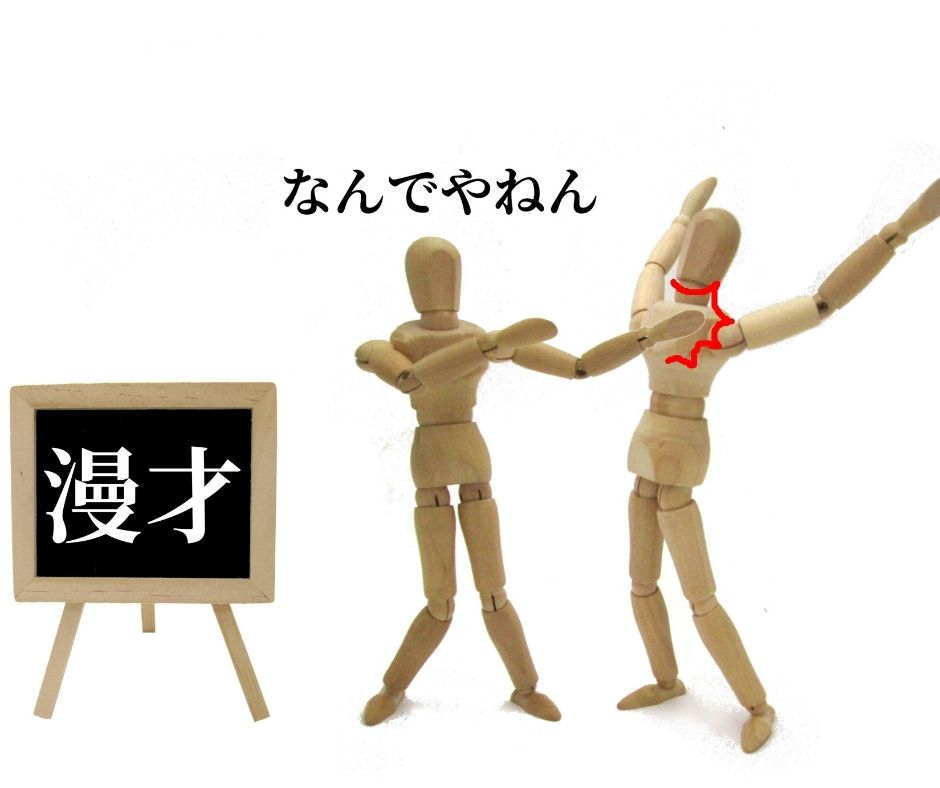
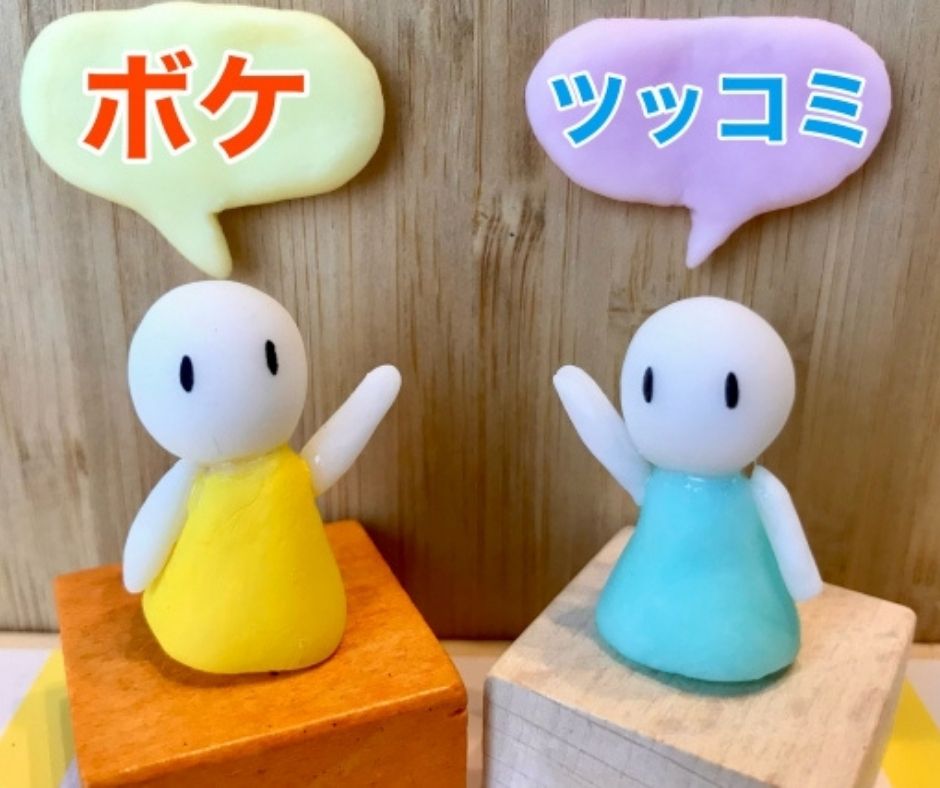
漫才は、二人で会話をしながら観客を笑わせるお笑いです。一人はボケ、もう一人はツッコミをします👋ボケは、おかしなことを言ったり、変な行動をしたりします。ツッコミは、「ちゃうやろ!」「なんでやねん!」などと言って、ボケに反応します。このテンポのよいやり取りが、漫才のおもしろいポイントです😁
コントは短いお話のようなお笑いです。学校やレストラン、お店など、いろいろな場面を演じます。おもしろいキャラクターや、予想外の展開で観客を笑わせます🤪
最近では、SNSで短いお笑い動画を見る人も増えました。また、スタンドアップコメディも少しずつ人気が出てきています🎙

日本では、お笑いのコンテストもたくさんあります。毎年、多くのお笑い芸人が参加して、一番おもしろいコンビやグループを決めます。そのため、新しい人気芸人が毎年生まれています。女性のお笑い芸人もたくさんいます。渡辺直美さんは、日本だけでなく海外でも人気があります😆
日本語を勉強している人は、お笑いを見ると、日常会話やリアクション、イントネーションを学ぶことができます👍少し難しい言葉もありますが、日本の文化を知ることができるので、おすすめです✨
【English Translation】
Comedy is extremely popular in Japan. You can watch comedy on TV, YouTube, at live venues, and in many other places.
There are many different styles of Japanese comedy, but manzai and conte are especially famous.
Manzai is a style of comedy where two performers make the audience laugh through conversation. One person is the boke, and the other is the tsukkomi.
The boke says silly or strange things and does funny actions. The tsukkomi reacts to the boke by saying phrases such as “Chau yaro!” (“That’s not right!”) or “Nande yanen!” (“What are you talking about?!”). This fast-paced back-and-forth exchange is one of the most entertaining parts of manzai.
Conte is a short comedy sketch, similar to a mini story. The performers act out scenes set in places such as schools, restaurants, or shops. Funny characters and unexpected twists make the audience laugh.
Recently, more people have been watching short comedy videos on social media. Stand-up comedy is also gradually becoming more popular in Japan.
Japan also has many comedy competitions. Every year, many comedians compete to determine the funniest duo or group. As a result, new popular comedians emerge every year. There are also many female comedians. Naomi Watanabe is popular not only in Japan but also overseas.
For people learning Japanese, watching comedy is a great way to learn everyday conversations, natural reactions, and intonation. Some words and expressions can be difficult, but it’s a fun way to learn more about Japanese culture.
【Vocabulary List】
お笑(わら)い – Comedy
人気(にんき) – Popular; popularity
会場(かいじょう) – Venue
場所(ばしょ) – Place
見(み)る – To watch; to see
特(とく)に – Especially
有名(ゆうめい) – Famous
漫才(まんざい) – Traditional Japanese two-person comedy
コント – Comedy sketch
会話(かいわ) – Conversation
観客(かんきゃく) – Audience
笑(わら)わせる – To make someone laugh
ボケ – The comedian who says or does silly things
ツッコミ – The comedian who reacts to the boke
行動(こうどう) – Action; behavior
反応(はんのう)する – To react
テンポ – Tempo; pace
やり取(と)り – Exchange; interaction
ポイント – Key point
短(みじか)い – Short
お話(はなし) – Story
場面(ばめん) – Scene; situation
演(えん)じる – To perform; to act
予想外(よそうがい) – Unexpected
展開(てんかい) – Development; plot
動画(どうが) – Video
増(ふ)える – To increase
少(すこ)しずつ – Little by little; gradually
人気(にんき)が出(で)る – To become popular
毎年(まいとし) – Every year
芸人(げいにん) – Comedian; entertainer
参加(さんか)する – To participate
一番(いちばん) – The most
コンビ – Duo
決(き)める – To decide
生(う)まれる – To be born; to emerge
女性(じょせい) – Woman; female
海外(かいがい) – Overseas
勉強(べんきょう)する – To study
日常会話(にちじょうかいわ) – Everyday conversation
学(まな)ぶ – To learn
言葉(ことば) – Word; language
文化(ぶんか) – Culture
知(し)る – To know; to learn about
おすすめ – Recommendation; recommended
If you want to learn Japanese, improve your skills, or connect with native speakers and other learners, we can help. We offer one-on-one lessons and a supportive community!
Website: nihongonana.com
Email: support@nihongonana.com
✅Private Lesson: NihongoNana Private Lessons
✅Online Community: NihongoNana Community
Recent Posts
-

Shopping at MUJI Japan:…
October 14, 2026
-

What Does Yabai Mean…
October 13, 2026
-

Japanese School System and…
October 12, 2026
-

6 Beautiful Japanese Phrases…
October 10, 2026
-

The Japanese Custom That…
October 9, 2026
Leave Comment