
 April 30, 2026
 No Comments
What is Showa Day? Nostalgic Japanese History Made Simple
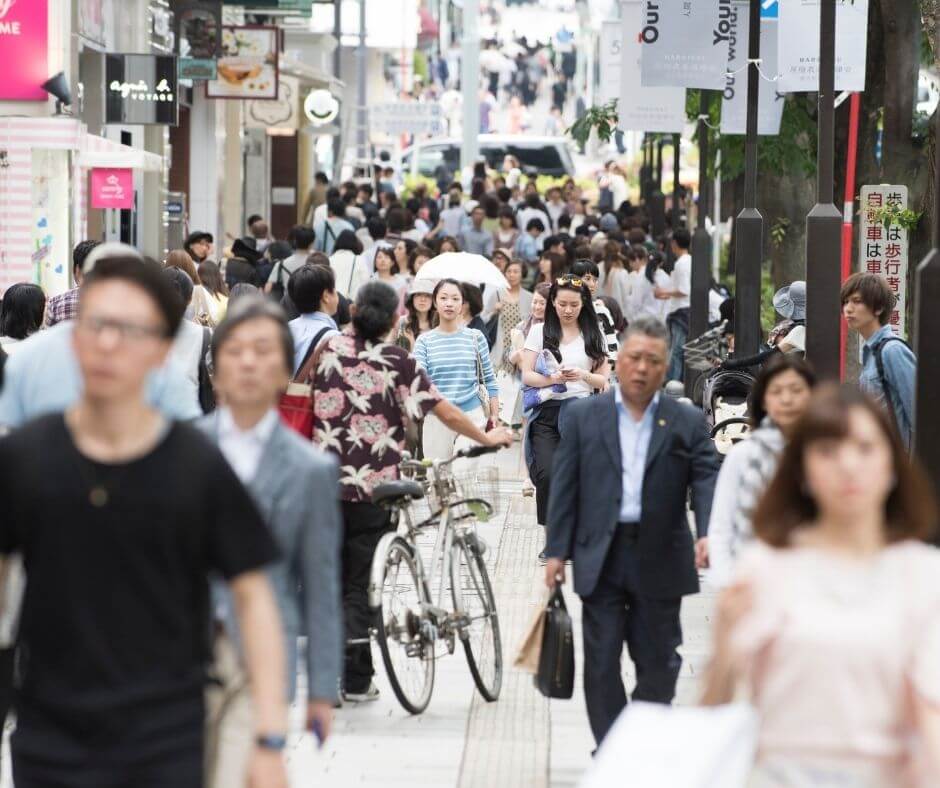
昭和の日は、毎年4月29日の祝日です。ゴールデンウィークの始まりとしても知られていて、日本では歴史的にも大切な日です。この日は昭和時代を思い出し、日本の歴史について考える日です🙏
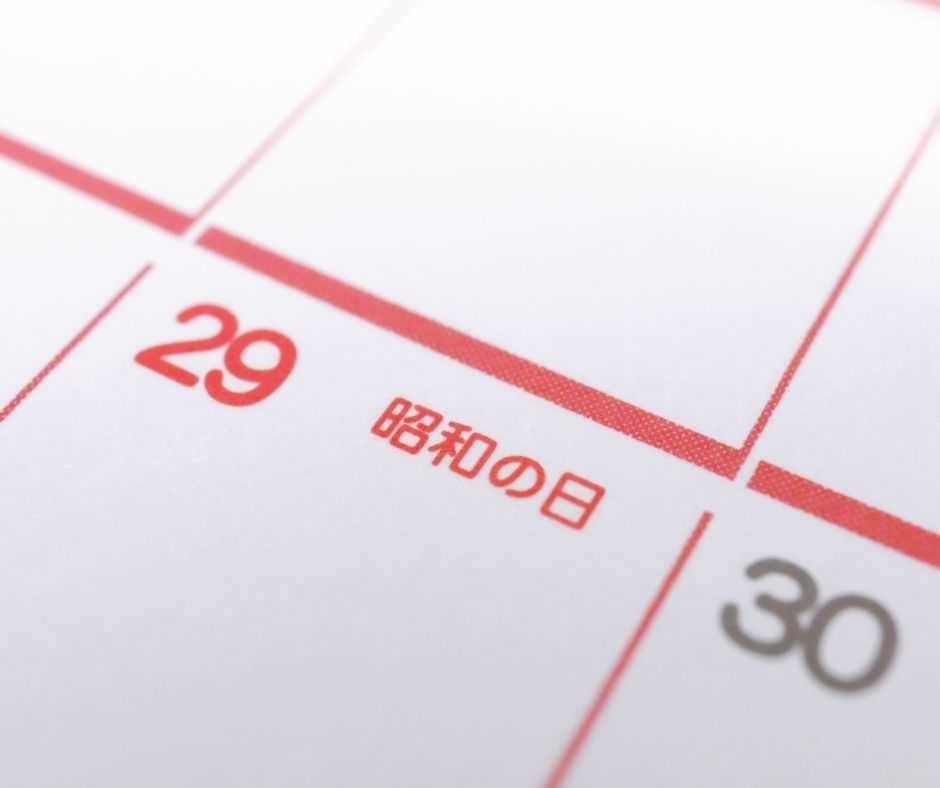
もともとこの日は昭和天皇の誕生日で、「天皇誕生日」と呼ばれていました。昭和天皇が亡くなった後は「みどりの日」になり、その後2007年に「昭和の日」に変わりました。「みどりの日」は現在、5月4日になっています😊
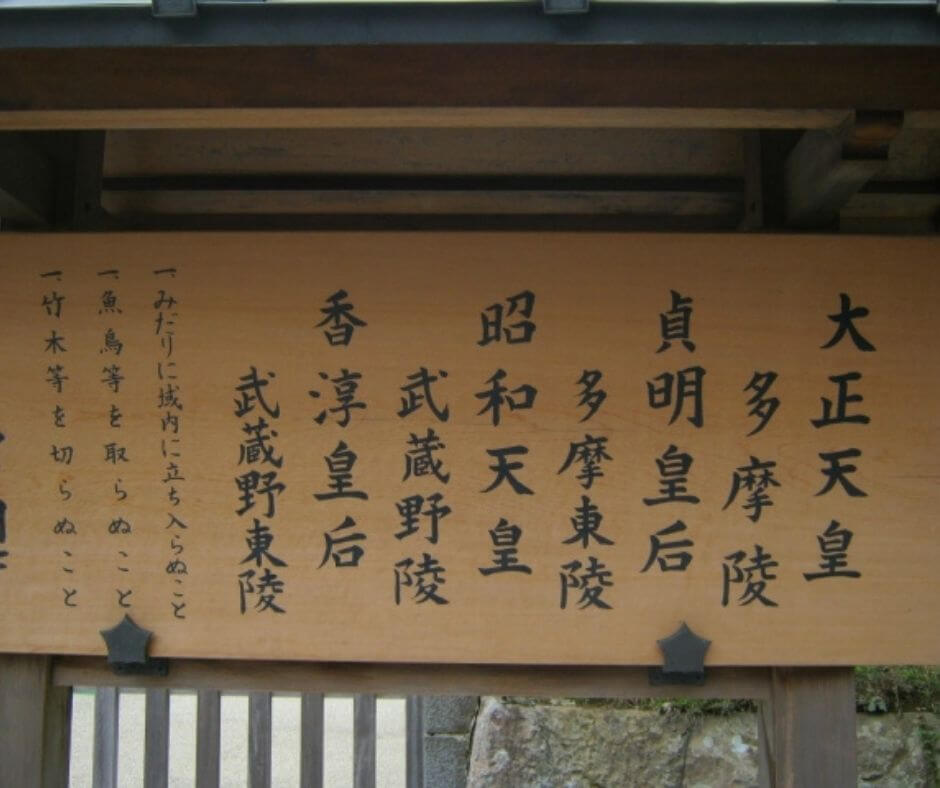
昭和時代は1926年から1989年まで続いた長い時代です。この時代には戦争や戦後の復興、経済の成長など、大きな変化がありました!テレビや冷蔵庫などの家電が広まり、今の生活の形になりました🥺
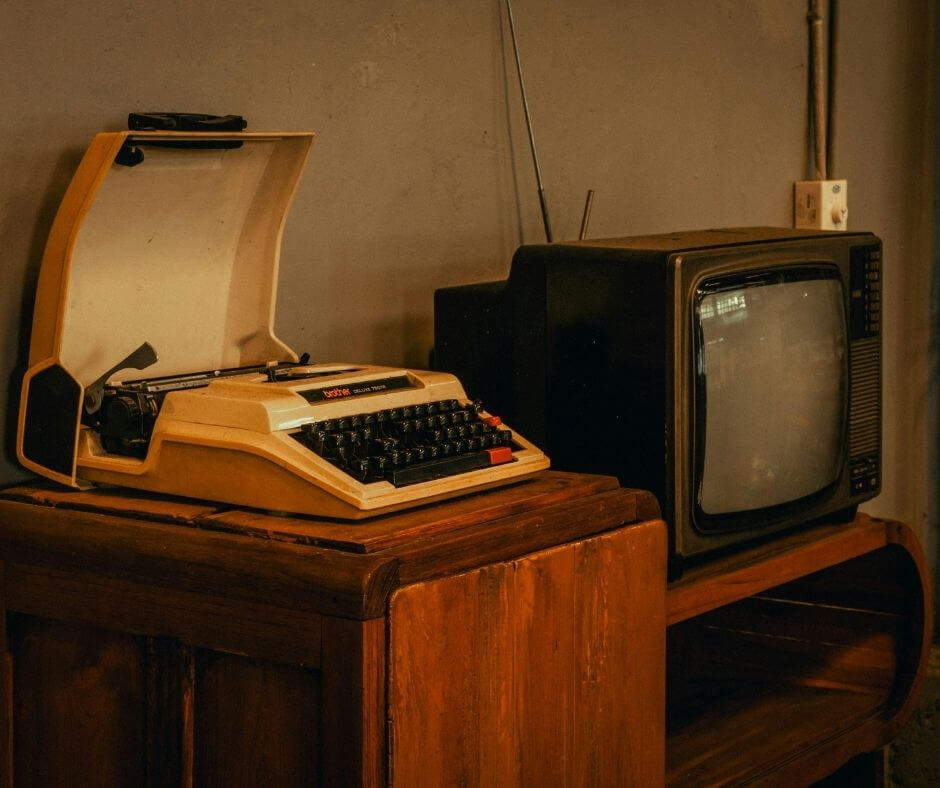
昭和の日には特別な行事はあまりありませんが、多くの人が休みを楽しみます🙌この日からゴールデンウイークが始まる人も多く、家族と出かけたり、公園で過ごしたりします。また、昭和レトロと呼ばれる昔の文化も最近人気です😎この日をきっかけに、日本の歴史について考えてみましょう!
【English Translation】
Showa Day is a national holiday on April 29 every year. It is also known as the beginning of Golden Week and is an important day in Japan from a historical perspective. This day is meant to reflect on the Showa era and think about Japan’s history.
Originally, this day was the birthday of Emperor Showa and was called “The Emperor’s Birthday.” After Emperor Showa passed away, it was changed to “Greenery Day,” and later in 2007, it became “Showa Day.” “Greenery Day” is now celebrated on May 4.
The Showa era lasted a long time, from 1926 to 1989. During this period, Japan experienced major changes such as war, post-war recovery, and economic growth. Home appliances like televisions and refrigerators became widespread, shaping the way people live today.
There are not many special events on Showa Day, but many people enjoy the holiday. For many, Golden Week begins on this day, and people go out with family or spend time in parks. Recently, culture from the Showa period, known as “Showa retro,” has also become popular. This is a good opportunity to think about Japan’s history.
【Vocabulary List】
昭和の日(しょうわのひ) – Showa Day
祝日(しゅくじつ) – national holiday
始まり(はじまり) – beginning
知られている(しられている) – to be known
歴史的(れきしてき) – historical
大切(たいせつ) – important
時代(じだい) – era
思い出す(おもいだす) – to recall / remember
考える(かんがえる) – to think
もともと – originally
呼ばれる(よばれる) – to be called
亡くなる(なくなる) – to pass away
変わる(かわる) – to change
現在(げんざい) – currently
続く(つづく) – to continue
長い(ながい) – long
戦争(せんそう) – war
戦後(せんご) – post-war
復興(ふっこう) – recovery / reconstruction
経済(けいざい) – economy
成長(せいちょう) – growth
変化(へんか) – change
家電(かでん) – home appliances
広まる(ひろまる) – to spread
生活(せいかつ) – daily life
形(かたち) – form / shape
特別(とくべつ) – special
行事(ぎょうじ) – event
楽しむ(たのしむ) – to enjoy
出かける(でかける) – to go out
過ごす(すごす) – to spend (time)
文化(ぶんか) – culture
人気(にんき) – popular
きっかけ – opportunity / trigger
🌟 Feel free to let us know in the comment section if you have any questions!
If you want to learn Japanese, improve your skills, or connect with native speakers and other learners, we can help. We offer one-on-one lessons and a supportive community!
Website: nihongonana.com
Email: support@nihongonana.com
✅Private Lesson: NihongoNana Private Lessons
✅Online Community: NihongoNana Community
Recent Posts
-

3 Popular Factory Tours…
September 26, 2026
-

Japanese Airport Survival Guide:…
September 25, 2026
-
What Is Wagashi? Discover…
September 24, 2026
-
〜たい vs 〜てみたい: The…
September 23, 2026
-

Famous Japanese Watchmakers You…
September 22, 2026
Leave Comment