

 March 18, 2025
 No Comments
日本人ってどんな人?- Who are Japanese people?
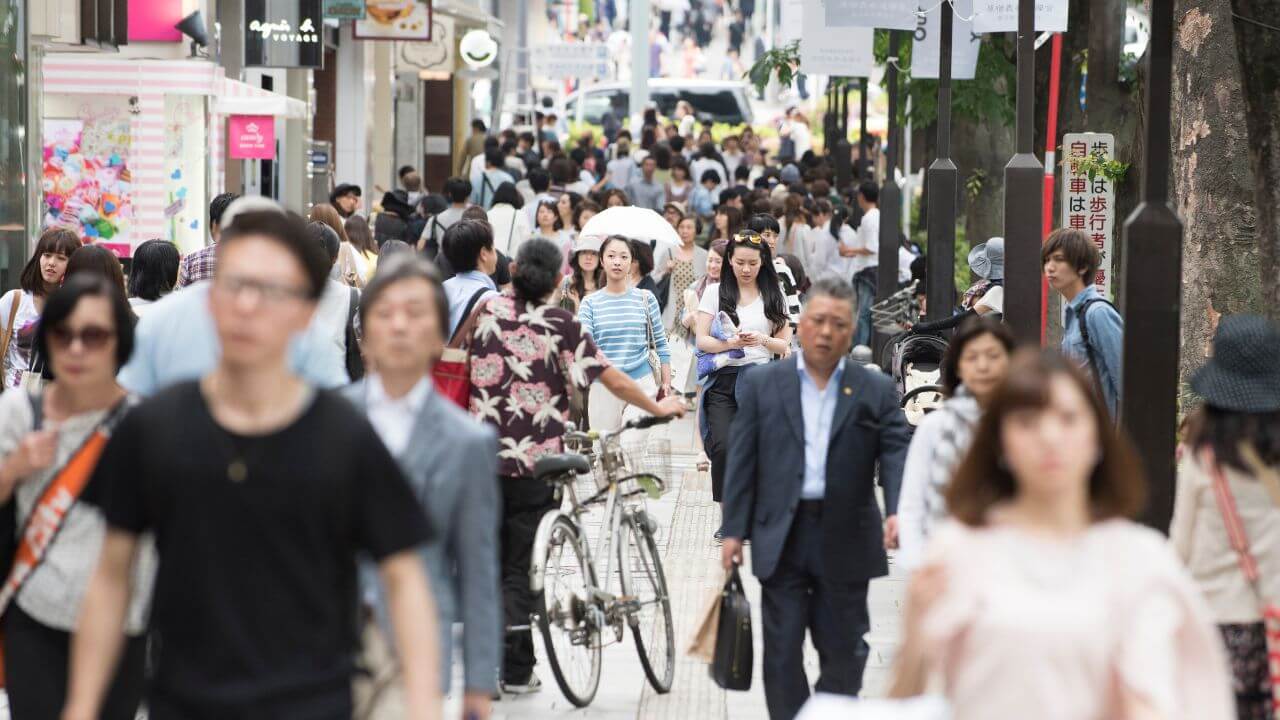
日本人についてのイメージは人によって違いますが、例えば、「他人を心配する」「真面目だ」「言葉にしなくても相手の気持ちを読もうとする」というような特徴がよく言われます。しかし、実際はどうでしょうか?
1. 相手を心配する文化
日本人は「気を使う」という態度を大事にします。これは他人の気持ちや心を理解しようとして行動する態度です。例えば、居酒屋などで「飲み物頼みますか」「他に食べたいものがありませんか」と常に聞いたり、会話で相手が話しやすいように、居心地がいいように気を遣ったりすることがよくあります。
2. 真面目で勤勉
働くことや勉強することにとても真面目で熱心なのも日本人の特徴とよく言われます。特に「社会で役立つ」ことを重視する考えがあり、社会人としての役目をしっかり果たすことを大切にしています。ただ、この「真面目さ」が働きすぎになりストレスに感じている人も少なくありません。仕事や勉強が生活の中心になってしまうことはあまり良くないことだとも言われています。
3. 気持ちを読む文化
日本語の特徴の一つに「はっきり言わない表現が多い」という点があります。これは他の人のことを考えて、相手の気持ちを読む文化によるものです。「いいえ」というのが苦手な人も多く、そのために間接的な表現を使うことも多いです。例えば「これは少し難しいかもしれませんね」と言うと、それは「だめ」という意味になります。
4. 日本人は一人一人違う
もちろん、これらの特徴はある程度のステレオタイプも含まれています。日本人といっても一人一人違いますし、会社や学校の雰囲気に影響される人もいれば、その様子をみて「自分はそんなに気を使わない」と言う人もいます。大切なのは、いろいろな種類の人がいることを理解し、個人をしっかり見ていくことです。これは日本だけでなく世界でも同じですよね。
みなさんは日本人にどんな印象を持っていますか?ぜひコメントで教えてください!
日本人についてのイメージは人によって違いますが、例えば、「他人を心配する」「真面目だ」「言葉にしなくても相手の気持ちを読もうとする」というような特徴がよく言われます。しかし、実際はどうでしょうか?
1. 相手を心配する文化
日本人は「気を使う」という態度を大事にします。これは他人の気持ちや心を理解しようとして行動する態度です。例えば、居酒屋などで「飲み物頼みますか」「他に食べたいものがありませんか」と常に聞いたり、会話で相手が話しやすいように、居心地がいいように気を遣ったりすることがよくあります。
2. 真面目で勤勉
働くことや勉強することにとても真面目で熱心なのも日本人の特徴とよく言われます。特に「社会で役立つ」ことを重視する考えがあり、社会人としての役目をしっかり果たすことを大切にしています。ただ、この「真面目さ」が働きすぎになりストレスに感じている人も少なくありません。仕事や勉強が生活の中心になってしまうことはあまり良くないことだとも言われています。
3. 気持ちを読む文化
日本語の特徴の一つに「はっきり言わない表現が多い」という点があります。これは他の人のことを考えて、相手の気持ちを読む文化によるものです。「いいえ」というのが苦手な人も多く、そのために間接的な表現を使うことも多いです。例えば「これは少し難しいかもしれませんね」と言うと、それは「だめ」という意味になります。
4. 日本人は一人一人違う
もちろん、これらの特徴はある程度のステレオタイプも含まれています。日本人といっても一人一人違いますし、会社や学校の雰囲気に影響される人もいれば、その様子をみて「自分はそんなに気を使わない」と言う人もいます。大切なのは、いろいろな種類の人がいることを理解し、個人をしっかり見ていくことです。これは日本だけでなく世界でも同じですよね。
みなさんは日本人にどんな印象を持っていますか?ぜひコメントで教えてください!
【English Translation】
What Are Japanese People Like?
People have different impressions of Japanese people, but some common traits often mentioned include “being considerate of others,” “being serious,” and “trying to understand others’ feelings without words.” But what is the reality?
1. A Culture of Consideration for Others
Japanese people place great importance on the attitude of “ki o tsukau” (being considerate). This means acting with an awareness of others’ feelings and concerns. For example, in places like izakaya (Japanese pubs), it’s common to ask, “Would you like to order a drink?” or “Is there anything else you’d like to eat?” Additionally, in conversations, people often try to make sure the other person feels comfortable and can speak easily.
2. Serious and Hardworking
Japanese people are often described as serious and hardworking when it comes to work and studying. There is a strong emphasis on contributing to society, and fulfilling one’s role as a member of the community is highly valued. However, this dedication to being “serious” can sometimes lead to overworking and stress. Many people struggle with the pressure of work or study becoming the center of their lives, which is not necessarily a good thing.
3. A Culture of Reading Between the Lines
One characteristic of the Japanese language is that it often avoids direct expressions. This comes from a cultural tendency to consider others’ feelings and read between the lines. Many Japanese people find it difficult to say “no” directly, so they often use indirect expressions instead. For example, saying “This might be a little difficult” can actually mean “No, that’s not possible.”
4. Every Japanese Person is Different
Of course, these characteristics include a certain degree of stereotypes. Japanese people are not all the same—some are influenced by the atmosphere of their workplace or school, while others might say, “I don’t really pay that much attention to social cues.” The important thing is to understand that there is diversity among individuals and to look at people as individuals rather than making generalizations. This is true not just in Japan but all around the world.
What kind of impression do you have of Japanese people? Feel free to share in the comments! 😊
【Vocabulary List】
- 人 (ひと)によって – Depending on the person
- 特徴 (とくちょう) – Characteristic, feature
- 実際 (じっさい) – Reality, in fact
- 相手 (あいて) – Other person, partner
- 心配する (しんぱいする) – To worry, to be concerned
- 気を使う (きをつかう) – To be considerate, to care about
- 態度 (たいど) – Attitude, behavior
- 行動する (こうどうする) – To take action, to behave
- 頼む (たのむ) – To order, to request
- 常に (つねに) – Always, constantly
- 居心地がいい (いごこちがいい) – Comfortable, cozy
- 気を遣う (きをつかう) – To be considerate, to take care
- 勤勉 (きんべん) – Hardworking, diligent
- 熱心 (ねっしん) – Enthusiastic, passionate
- 役立つ (やくだつ) – To be useful, to be helpful
- 重視する (じゅうしする) – To emphasize, to value
- 社会人 (しゃかいじん) – Working adult, member of society
- 役目 (やくめ) – Duty, role
- 果たす (はたす) – To fulfill, to accomplish
- はっきり言わない (はっきりいわない) – To not say clearly
- 一人一人 (ひとりひとり) – Each person, individually
- ステレオタイプ – Stereotype
- ぜひ – By all means, please
- 印象 (いんしょう) – Impression
If you want to learn Japanese, improve your skills, or connect with native speakers and other learners, we can help. We offer one-on-one lessons, a supportive community, and on demand courses.
Website: nihongonana.com
Email: support@nihongonana.com
✅Book 1-on-1 lessons: https://nihongonana.com/lessons/
✅Join our community: https://nihongonana.com/community/
✅Access courses: https://nihongonana.com/courses/
Recent Posts
-
違う or 異なる? How…
October 6, 2026
-

3 Amazing Bookstores You…
October 5, 2026
-

Say “No” Like a…
October 3, 2026
-

Asian Games 2026: A…
October 2, 2026
-
いい or よい? How…
October 1, 2026
Leave Comment