
 August 3, 2026
 No Comments
桃太郎: The Peach Boy Story in Easy Japanese
みなさんは「桃太郎」を知っていますか?桃太郎は、日本でとても有名な昔話です。日本人なら、子どものころによく聞く話です。今日は桃太郎の話を読みましょう!
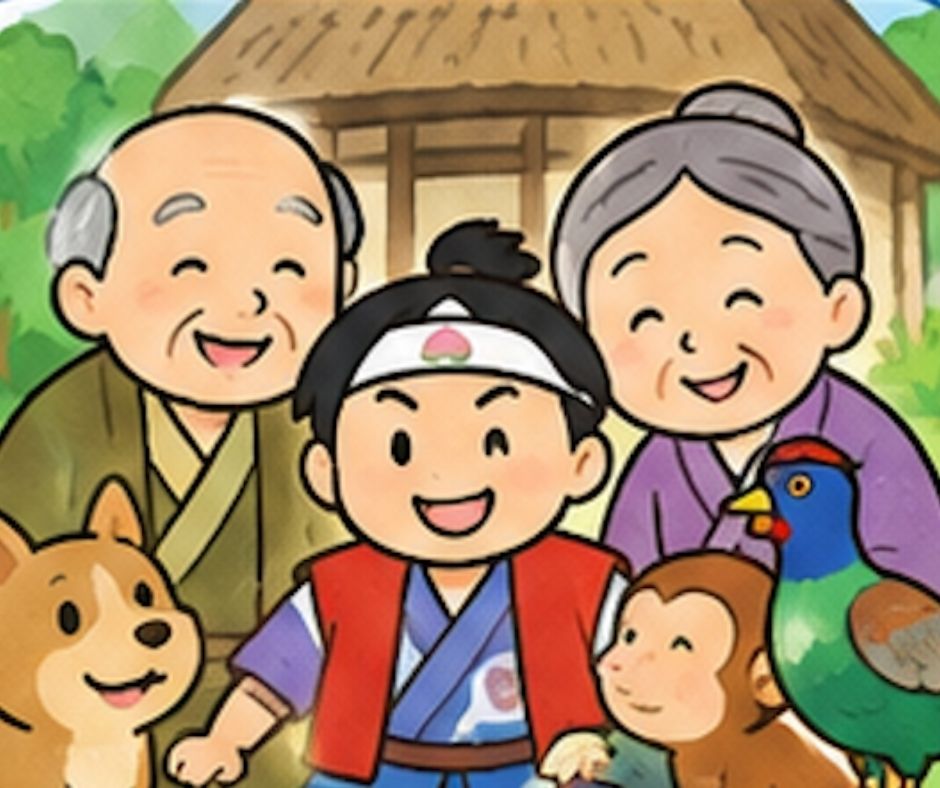
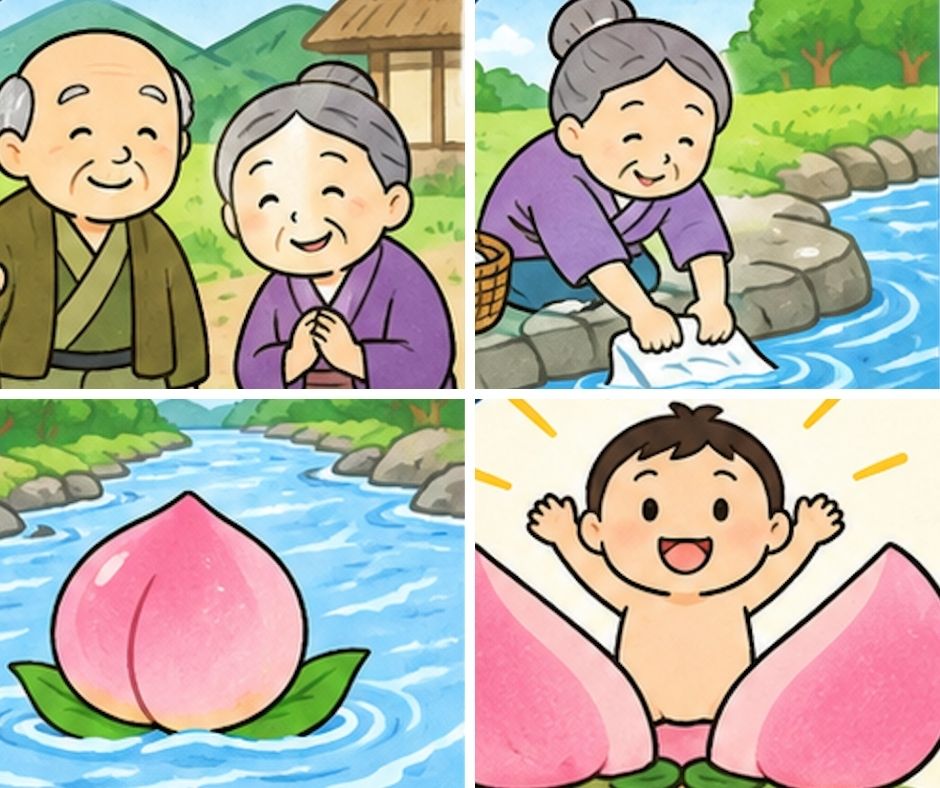
むかしむかし、おじいさんとおばあさんがいました。おじいさんは山へ行きました。おばあさんは川で洗たくをしていました。すると、大きな桃が流れてきました。おばあさんはその桃を家へ持って帰りました。桃を切ると、中から元気な男の子が出てきました。おじいさんとおばあさんは、その子に「桃太郎」という名前をつけました。
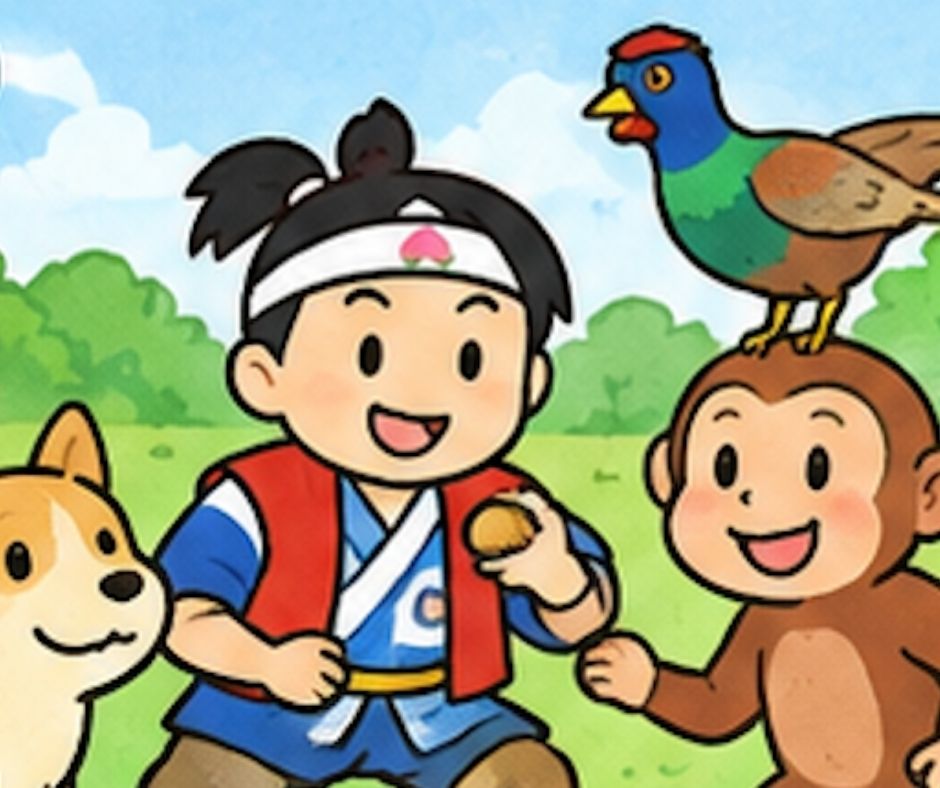
桃太郎は大きくなりました。ある日、鬼をやっつけるために、鬼ヶ島へ行くことにしました。おばあさんは桃太郎にきびだんごを作りました。途中で、犬、猿、そしてキジに会いました。桃太郎はきびだんごをあげました。みんなは「いっしょに行きます!」と言いました。
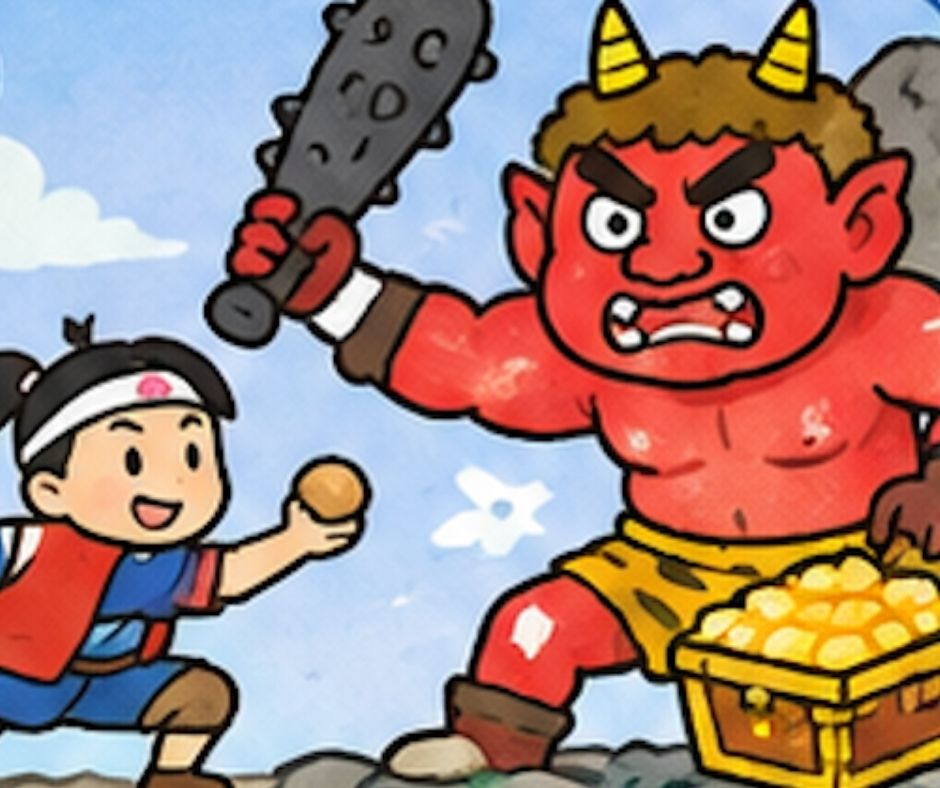
桃太郎と犬と猿とキジは鬼ヶ島へ行きました。みんなで鬼と戦いました。鬼は負けました。鬼は「ごめんなさい。」と言いました。そして、宝物を桃太郎たちに返しました。
桃太郎たちは家へ帰りました。おじいさんとおばあさんはとてもよろこびました。みんなは幸せに暮らしました。
めでたし、めでたし😊

【English Translation】
Have you ever heard of Momotaro? Momotaro is one of Japan’s most famous folktales. If you’re Japanese, you’ve probably heard this story many times as a child. Today, let’s read the story of Momotaro!
Long, long ago, there lived an old man and an old woman. The old man went to the mountains, and the old woman was washing clothes by the river. Suddenly, a giant peach came floating down the river. She took the peach home, and when they cut it open, a healthy baby boy appeared from inside! They named him Momotaro, which means “Peach Boy.”
Momotaro grew up to be a strong young man. One day, he decided to go to Onigashima (Demon Island) to defeat the ogres. Before he left, the old woman made him kibi dango (millet dumplings). On his journey, he met a dog, a monkey, and a pheasant. He shared his kibi dango with them, and they all said, “We’ll go with you!”
Together, Momotaro and his three animal friends traveled to Onigashima. They fought the ogres and won the battle. The ogres admitted defeat, apologized, and returned the treasure they had stolen.
Momotaro and his friends returned home. The old man and the old woman were overjoyed, and everyone lived happily ever after.
The end. 😊
【Vocabulary List】
有名(ゆうめい) – famous
昔話(むかしばなし) – folktale
子ども – child
話(はなし) – story
読む(よむ) – to read
むかしむかし – once upon a time
おじいさん – old man (grandfather)
おばあさん – old woman (grandmother)山(やま) – mountain
川(かわ) – river
洗濯(せんたく) – laundry / washing clothes
大きい(おおきい) – big
桃(もも) – peach
流れる(ながれる) – to flow
家(いえ) – house / home
持って帰る(もってかえる) – to take home
切る(きる) – to cut
中(なか) – inside
元気(げんき) – healthy / energetic
男の子(おとこのこ) – boy
出てくる(でてくる) – to come out
名前(なまえ) – name
つける – to give (a name)
ある日(あるひ) – one day
鬼(おに) – ogre / demon
やっつける – to defeat
鬼ヶ島(おにがしま) – Demon Island
行く(いく) – to go
きびだんご – millet dumplings
作る(つくる) – to make
途中(とちゅう) – on the way
犬(いぬ) – dog
猿(さる) – monkey
キジ – pheasant
会う(あう) – to meet
あげる – to give
戦う(たたかう) – to fight
負ける(まける) – to lose
宝物(たからもの) – treasure
返す(かえす) – to return
帰る(かえる) – to return home
よろこぶ – to be happy / to rejoice
幸せ(しあわせ) – happiness / happy
暮らす(くらす) – to live
めでたし、めでたし – Happily ever after
If you want to learn Japanese, improve your skills, or connect with native speakers and other learners, we can help. We offer one-on-one lessons and a supportive community!
Website: nihongonana.com
Email: support@nihongonana.com
✅Private Lesson: NihongoNana Private Lessons
✅Online Community: NihongoNana Community
Recent Posts
-

The Easy Way to…
August 5, 2026
-
桃太郎: The Peach Boy…
August 3, 2026
-

How to Say “Good…
August 1, 2026
-

Express “For the First…
July 31, 2026
-

A Beautiful Japanese Summer…
July 30, 2026
Leave Comment