
 August 5, 2026
 No Comments
The Ultimate Flowing Noodle Experience in Japan
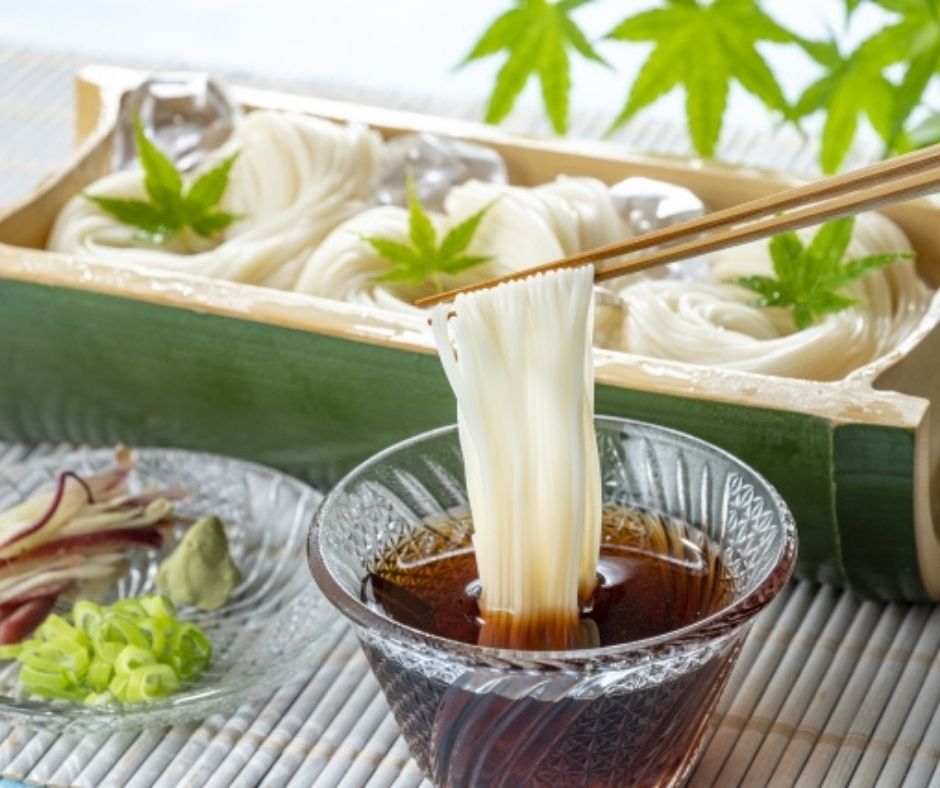
夏になると、日本では流しそうめんを楽しむ人がたくさんいます😊 流しそうめんは、日本の夏の風物詩の一つです。暑い日に冷たいそうめんを食べると、とても涼しく感じます!私は流しそうめんはしませんが、そうめんは夏によく食べます☀️
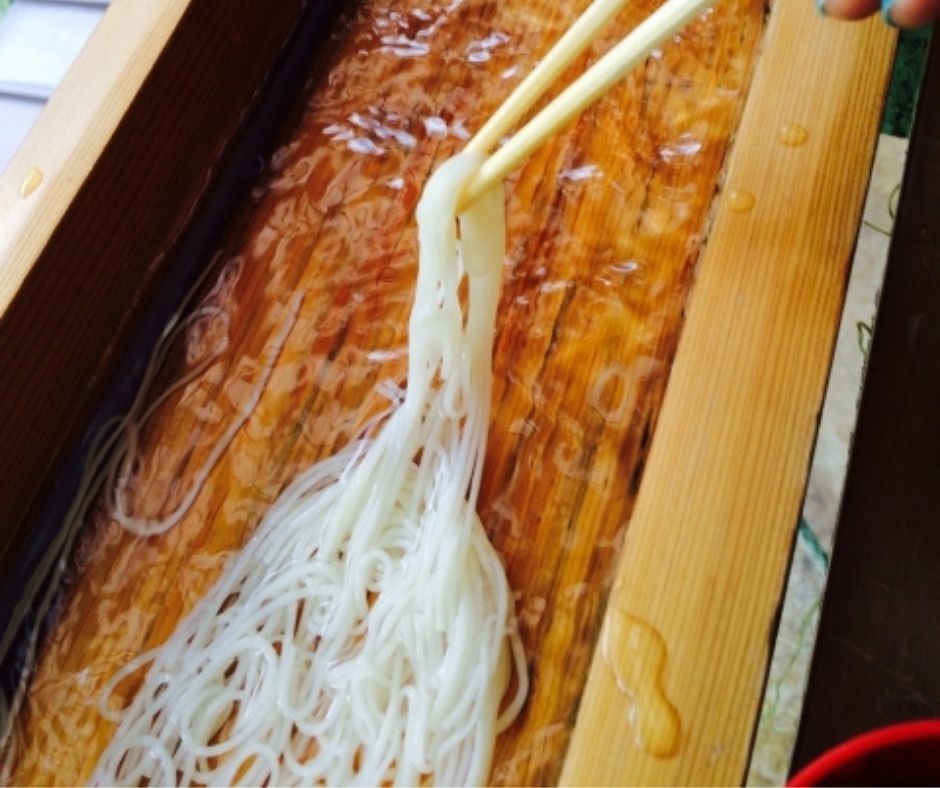
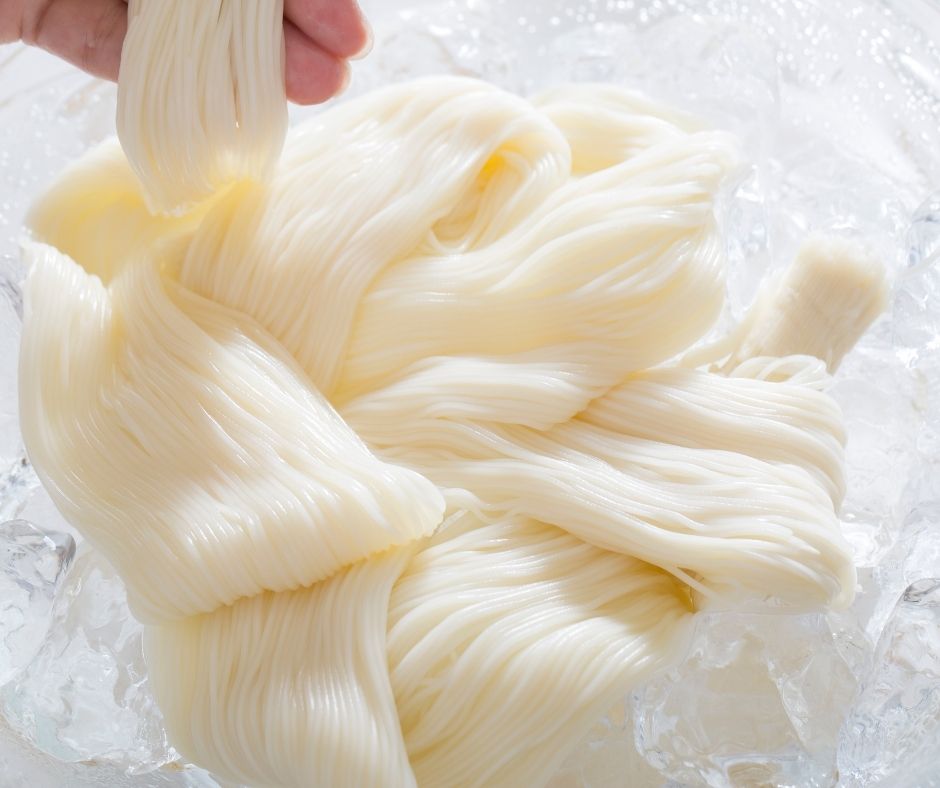
そうめんは、小麦粉から作られた細いめんです。ゆでたあと、冷たい水で冷やして、しょうゆベースのめんつゆにつけて食べます。ねぎやしょうが、ごまなどの薬味を入れて食べる人も多いです😋
流しそうめんは、長い竹に冷たい水を流し、その水といっしょにそうめんを流す食べ方です。流れてくるそうめんを、はしで上手に取って食べます🥢少しむずかしいですが、それがおもしろいポイント!家族や友達といっしょにやると、とても盛り上がります🙌
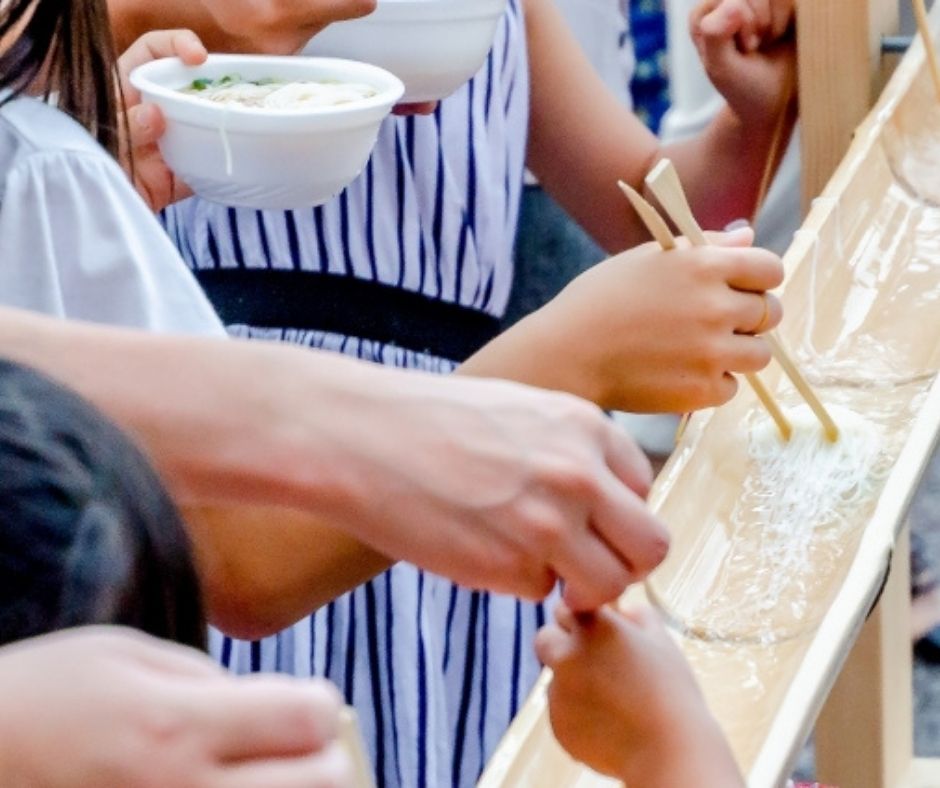
昔は、本物の竹を使うことが多かったですが、最近では家庭用の流しそうめん機も人気です!家でも気軽に楽しめるのがいいですね!私もよくそうめんを食べるから、買おうかな?😆
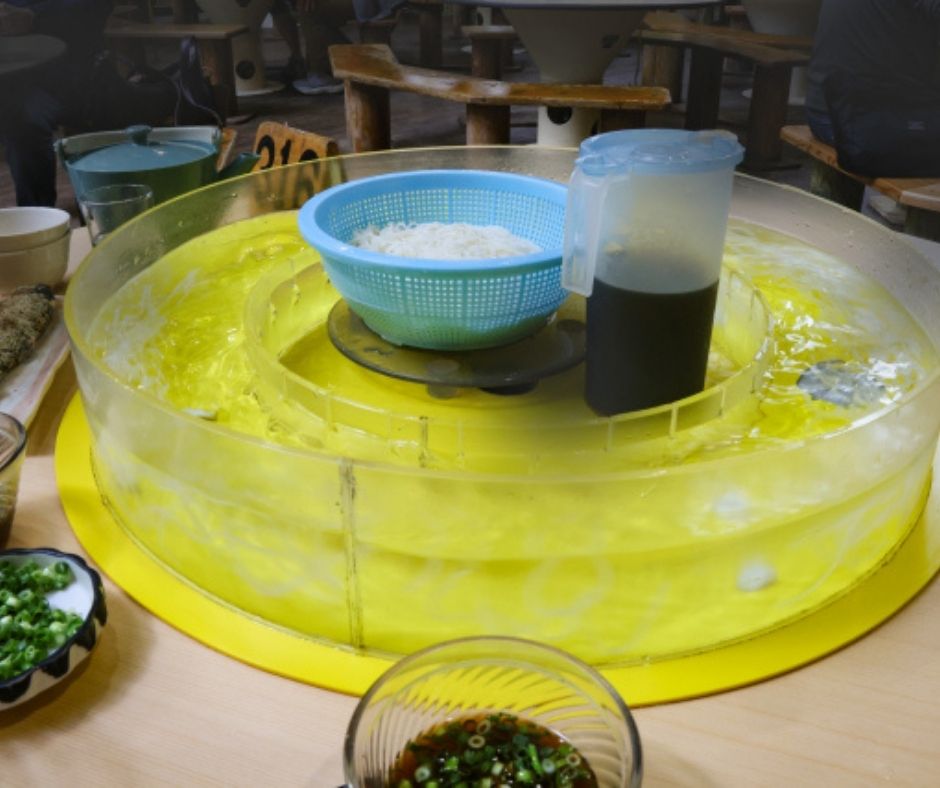
夏になると、レストランやイベントで流しそうめんを体験できる場所もあります。夏に日本へ旅行する機会があれば、ぜひ一度チャレンジしてみてください!みんなで笑いながら楽しめる、日本ならではの夏の文化ですよ🌿
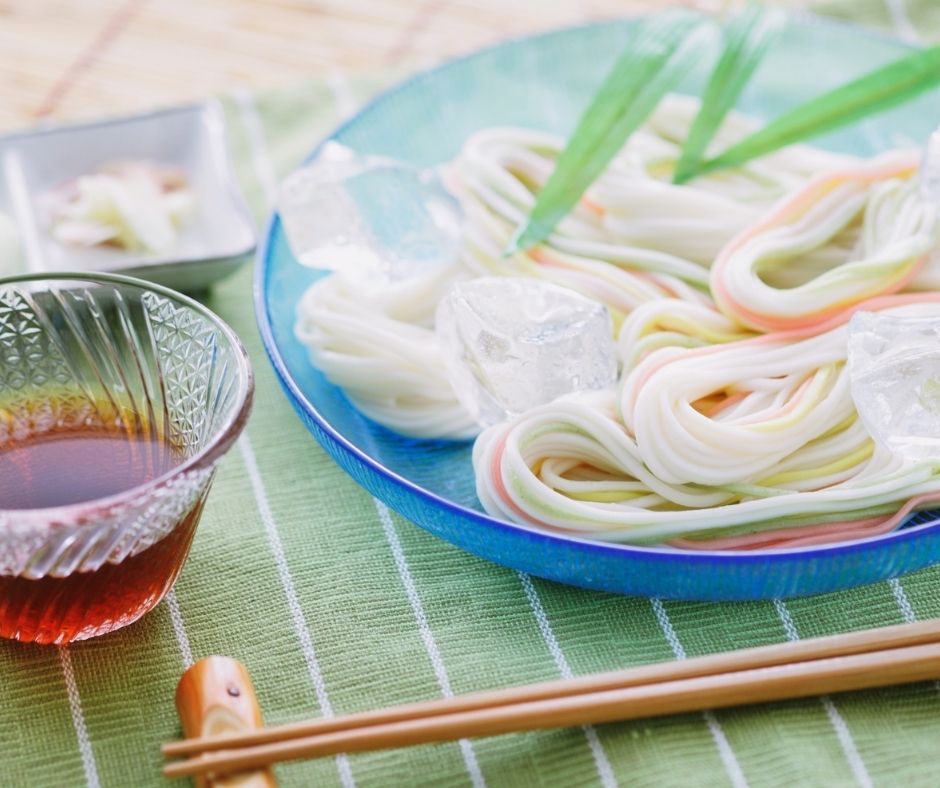
English Translation
When summer arrives, many people in Japan enjoy nagashi somen (flowing somen noodles). It’s one of Japan’s classic summer traditions. Eating cold somen on a hot day feels incredibly refreshing! I don’t usually do nagashi somen myself, but I eat somen quite often during the summer.
Somen are thin wheat noodles. After they’re boiled, they’re chilled in cold water and eaten with a soy sauce-based dipping sauce called mentsuyu. Many people also add toppings such as green onions, ginger, or sesame seeds.
Nagashi somen is a unique way of eating somen. Cold water flows through a long bamboo chute, and the noodles flow along with it. People use chopsticks to catch the noodles as they pass by. It can be a little tricky, but that’s part of the fun! It’s especially enjoyable with family and friends.
In the past, people usually used real bamboo, but nowadays home nagashi somen machines have become very popular. They’re an easy way to enjoy the experience at home. Since I eat somen so often, maybe I should buy one too!
During the summer, you can also experience nagashi somen at restaurants, festivals, and special events around Japan. If you have the chance to visit Japan in the summer, it’s definitely worth trying. It’s a fun and unique tradition that brings people together and creates great summer memories.
Vocabulary List
夏(なつ)— summer
〜になると — when it becomes ~ / when ~ comes
流しそうめん(ながしそうめん)— flowing somen noodles
楽しむ(たのしむ)— to enjoy
風物詩(ふうぶつし)— seasonal tradition / symbol of a season
暑い(あつい)— hot
冷たい(つめたい)— cold
涼しい(すずしい)— cool / refreshing
〜と感じます(かんじます)— feel / sense that ~
小麦粉(こむぎこ)— wheat flour
細い(ほそい)— thin
作る(つくる)— to make
ゆでる — to boil
冷やす(ひやす)— to cool / chill
つける — to dip
めんつゆ — noodle dipping sauce
ねぎ — green onion
しょうが — ginger
ごま — sesame seeds
薬味(やくみ)— toppings / condiments
入れる(いれる)— to add / put in
〜も多いです(おおいです)— many people also ~
長い(ながい)— long
竹(たけ)— bamboo
流す(ながす)— to let flow
流れる(ながれる)— to flow
食べ方(たべかた)— way of eating / how to eat
はし — chopsticks
上手に(じょうずに)— skillfully / well
取る(とる)— to catch / pick up
難しい(むずかしい)— difficult
面白い(おもしろい)— interesting / fun
ポイント — point / key part
盛り上がる(もりあがる)— to get excited / become lively
昔(むかし)— long ago / in the past
本物(ほんもの)— real / genuine
最近(さいきん)— recently
家庭用(かていよう)— for home use
気軽に(きがるに)— easily / casually
体験する(たいけんする)— to experience
旅行(りょこう)— travel
機会(きかい)— opportunity / chance
一度(いちど)— once
文化(ぶんか)— culture
日本ならでは(にほんならでは)— unique to Japan / something special about Japan
If you want to learn Japanese, improve your skills, or connect with native speakers and other learners, we can help. We offer one-on-one lessons and a supportive community!
Website: nihongonana.com
Email: support@nihongonana.com
✅Private Lesson: NihongoNana Private Lessons
✅Online Community: NihongoNana Community
Recent Posts
-

Visiting a Hospital in…
September 21, 2026
-

What Is Silver Week…
September 19, 2026
-

ところ vs 場所: How…
September 18, 2026
-

Discover Hokkaido in Japanese:…
September 17, 2026
-

How to Say “Heart”…
September 16, 2026
Leave Comment