
Understand the difference and boost your fluency!
If you’re learning Japanese, you may have come across two similar-looking expressions: ~ながら and ~てから. At first glance, they both seem to connect actions — but they’re used in very different ways. Let’s break it down with simple explanations and examples!
✅ What is ~ながら?
~ながら means “while doing [something]”.
It is used when two actions are happening at the same time.
📝 Structure:
【Verb stem】+ ながら + main verb
(The verb before ながら is the background action.)
✅ Examples:
- 音楽を聞きながら勉強します。
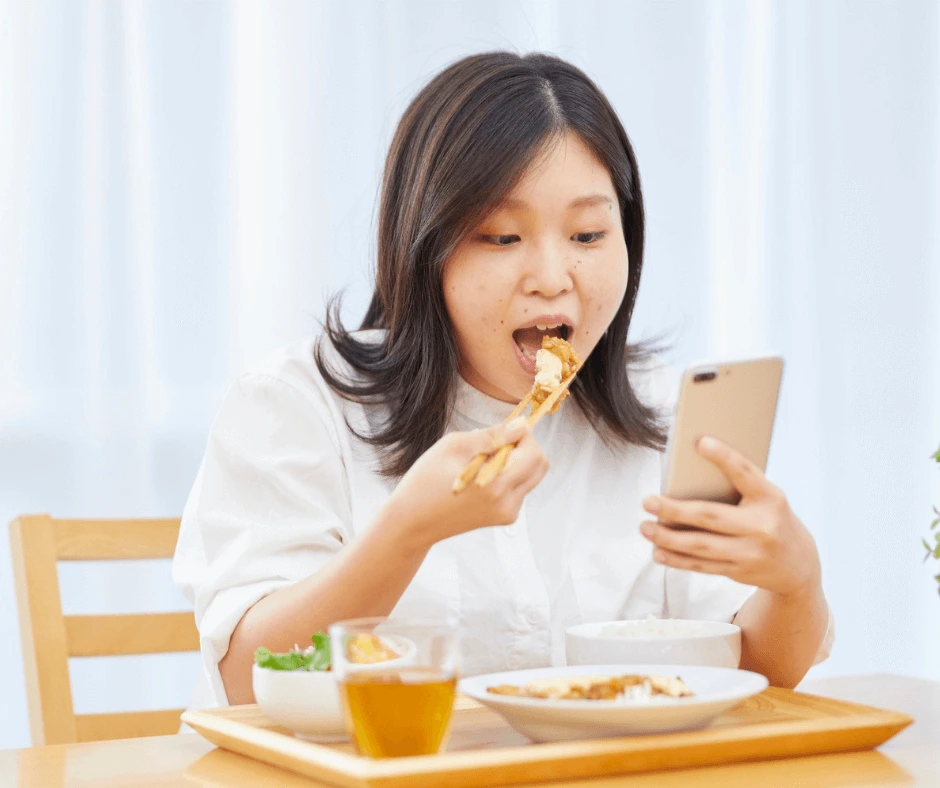
→ I study while listening to music. - コーヒーを飲みながら話しましょう。
→ Let’s talk while drinking coffee. - 歩きながら電話しないでください。
→ Please don’t talk on the phone while walking.
🔑 Tip:
Only one subject does both actions simultaneously.
✅ What is ~てから?
~てから means “after doing [something]”.
It is used when one action is completed, and then another action happens.
📝 Structure:
【Verb in て-form】+ から + next action
✅ Examples:
- 宿題をしてからゲームをします。
→ I play games after doing my homework. - ごはんを食べてから出かけます。
→ I go out after eating. - 日本に来てから日本語を勉強し始めました。
→ I started studying Japanese after coming to Japan.
🔑 Tip:
This is about order. Action A → then Action B.
🆚 ~ながら vs ~てから (Comparison)
| Expression | Meaning | Timing | Example |
|---|---|---|---|
| ~ながら | While doing | Two actions at the same time | テレビを見ながらごはんを食べます。 → I eat while watching TV. |
| ~てから | After doing | One action is finished, then another starts | テレビを見てからごはんを食べます。 → I eat after watching TV. |
💡 See how the order and timing change the meaning!
🌟 Practice Time!
Can you choose the right expression? Try it!
- 朝ごはんを( )学校に行きます。
A. 食べながら B. 食べてから - 歩き( )音楽を聞きます。
A. ながら B. てから
🎯 Final Tips
- Use ~ながら when multitasking (same time).
- Use ~てから when talking about the order of actions.
Understanding these two expressions will help make your Japanese more natural and accurate. Try to use them in your own sentences today!